
Enhancing Balance Stability for Cyclists
Balance and stability are essential components of effective cycling. Cyclists who possess strong balance skills can maintain their speed and maneuver around obstacles more effectively. Specifically, stability training enhances the muscles involved in maintaining an upright position while cycling over varying terrains. Such training encourages core engagement, which can significantly improve cycling performance. As cyclists face different surface conditions, including loose gravel and uneven pavements, a well-developed sense of balance becomes crucial. Research shows that targeted exercises can significantly improve a cyclist’s ability to maintain control and stability while riding. Practicing stability through exercises can also mitigate the risk of falls and accidents. To ensure the best results, cyclists should incorporate a diverse range of training methods into their routine. By doing so, they can improve their overall strength and enhance their cycling experience. Adding resistance training, core stability workouts, and balance drills can lead to marked improvements. In the long run, these practices contribute to more enjoyable and injury-free cycling experiences. Thus, commitment to balance training is vital for any cyclist looking to excel at their sport.
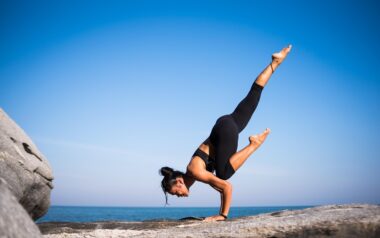
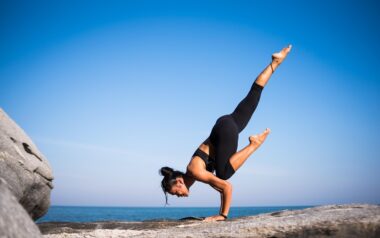
Cyclists often underestimate the importance of dynamic balance exercises in their training programs. These exercises are designed to improve the body’s ability to maintain its center of gravity. Many cyclists primarily focus on endurance and power but neglect the equally important aspect of stability. Integrating balance training allows for the development of the neuromuscular system. It enhances not only physical performance but also reaction time. Balance drills can easily be incorporated into an existing cycling routine without requiring specialized equipment. For example, simple single-leg stands and stability ball exercises can be performed anywhere. Additionally, engaging in yoga or Pilates offers a fun approach to balance training. Such activities promote flexibility while also improving core stability. Regular practice of these exercises helps cyclists become more in tune with their body, enhancing overall performance on the bike. Incorporating balance training provides a competitive edge by allowing cyclists to ride smoothly and confidently. Furthermore, improved balance can reduce fatigue during long rides, resulting in increased endurance. Consequently, by committing to balance exercises, cyclists can achieve remarkable gains in their cycling journeys.
The Role of Core Strength in Balance
Core strength plays a pivotal role in enhancing stability for cyclists. A strong core provides a solid foundation for better balance while riding. Essentially, the core muscles—comprising the abdominal, back, and pelvic muscles—support the spine and help transfer power efficiently through the pedal stroke. Strengthening these muscles enables cyclists to maintain proper posture and responsiveness. Moreover, it reduces the risk of injuries caused by bad posture during long cycling sessions. To improve core strength, cyclists should incorporate exercises such as planks, bridges, and rotations. These exercises engage multiple muscle groups, ensuring comprehensive strength development. Additionally, it is important for cyclists to focus on maintaining a balanced body posture throughout their ride. The way a cyclist positions themselves on the bike can significantly affect their performance. Developing a stronger core leads to better overall stability, allowing cyclists to navigate bends and turns with confidence. By maintaining this strength, cyclists can also relieve discomfort experienced in lower back areas. Consequently, investing time and energy into core training results in a stronger, more efficient cycling experience across various terrains.
Balance boards and stability discs are valuable tools for cyclists aiming to enhance their training regime. Utilizing these devices can challenge stabilizing muscles by forcing the body to adapt to unstable surfaces. Incorporating balance boards into workouts effectively builds required strength and coordination. Cyclists can perform exercises such as squats, lunges, or static holds on these devices for optimized training results. Similarly, stability discs can be used while engaging in traditional weight-lifting exercises to improve core engagement and overall control. These tools can be especially beneficial during off-season training, where focus shifts from endurance to strength and stability. Regular use of balance boards and stability discs can lead to enhanced proprioception, which refers to the awareness of body positioning and movement. This awareness is critical when cycling, particularly when navigating complex terrains or tight corners. Beyond physical benefits, employing these tools can also boost confidence levels as the cyclist becomes more proficient in managing balance. Overall, investing in such equipment is worthwhile for serious cyclists dedicated to amplifying their performance on the bike.
Integrating Balance Training into Cycling Routines
To reap the full benefits of balance training, cyclists should aim to integrate it into their weekly training routines effectively. Ideally, balance exercises should complement established cycling workouts rather than replace them. Starting with twice a week can yield substantial improvements over time. Sessions should prioritize simple moves, gradually progressing to more complex ones as strength and confidence grow. Additionally, each session should include flexibility and mobility training, emphasizing overall body comfort and functionality. Furthermore, it is essential to allocate time for recovery and rest to allow the body to adapt and build strength. Participating in group classes or training with a partner can foster accountability, making balance training more enjoyable. Engaging strategies such as setting measurable goals can provide motivation throughout the process. Cyclists might even consider tracking their progress through journal entries or apps. Charting improvements can be incredibly satisfying, reinforcing the value of dedicating time to balance training. With ballpark estimates suggesting a mere 20% increase in performance, productively integrating balance training will positively impact all aspects of cycling for maximum efficiency.
In conclusion, balance and stability training is not merely a supplementary aspect of cycling; it is fundamentally essential for success in this sport. Prioritizing stability exercises leads to improved handling, increased endurance, and significantly reduced risk of injury. Cyclists who devote time to enhancing their balance skills can experience more control over their bikes regardless of the riding conditions. It is vital to design a comprehensive balance training program that incorporates various exercises, tools, and routines. Additionally, cross-training with activities like yoga can provide holistic benefits, enhancing both resilience and flexibility. Competitive cyclists often neglect these essential components, yet it ultimately determines their performance in challenging conditions. Taking the time to focus on balance training will yield dividends, enhancing overall cycling experience and capabilities. Moreover, as cyclists become more attuned to their bodies and balance, they will gain confidence in tackling demanding terrain. Consequently, the integration of balance training can transform a cyclist’s approach, leading them to a higher level of performance on their cycling journey. Emphasis on balance formation will serve as a game-changer for cyclists who strive to improve their skills and overall enjoyment while riding.
Furthermore, fitness trainers and cycling enthusiasts should promote workshops that specifically target balance and stability training for cyclists. These workshops can offer personalized guidance and techniques suited to individual needs. By collaborating with trained professionals, participants can learn the most effective exercises and ways to incorporate them into their daily practice. Evaluating individual weaknesses in balance will help cyclists address their specific challenges and lead to greater overall improvement. Engaging in such targeted learning experiences can foster a community of like-minded individuals dedicated to improving balance skills collectively. Moreover, emphasizing the importance of stability during competitive events may also inspire more participants to embrace these techniques. Coaches can implement balance training into their weekly programs, ensuring that stability skills are nurtured throughout training. As more cyclists become aware of the importance of balance, its popularity in training regimes is likely to rise. This growing trend will not only benefit cyclists but also contribute to a healthier and more effective cycling community. Ultimately, the key to enhancing cycling performance lies in prioritizing balance as a fundamental aspect of any dedicated training plan.
In summary, enhancing balance and stability is a crucial aspect that cyclists must prioritize for improved performance and safety. As cycling continues to grow globally, the demand for better training methods will keep evolving. By focusing on balance training, cyclists can optimize their physical strengths while benefiting their mental acuity. Balancing the physical and mental components of riding results in a more well-rounded cyclist. As a result, finding enjoyment in cycling becomes even more attainable. By gracefully navigating through any preferred terrain, cyclists will be prepared for all challenges they may face on the road or trail. Fostering a mindful approach to training, focusing on stabilization will undoubtedly yield a more rewarding cycling experience. Continuous exploration of new techniques will only expand knowledge in this essential area. The journey towards achieving balance is unique for every cyclist, emphasizing that there is no one-size-fits-all solution. Ultimately, commitment to balance and stability enhances not just performance but also the overall cycling experience, making each ride exhilarating and secure. With unwavering determination, cyclists can elevate their riding experiences, thus heightening their enjoyment and appreciation for the sport.