
Tracking Your Flexibility Progress With Myofascial Release
Flexibility is a vital component of physical fitness and plays a crucial role in overall health. Understanding how to track your flexibility progress can significantly enhance your training regimen. One effective method is myofascial release, a technique that helps alleviate tension in your muscles and connective tissue. By releasing tight fascia, myofascial release enables deeper stretches and improved mobility. The benefits of tracking your flexibility progress include the ability to set realistic goals, monitor your improvement, and refine your techniques. Whether you are an athlete or seeking general well-being, incorporating flexibility assessments into your routine is essential. To begin, outline specific flexibility goals related to areas of your body, such as hamstrings, quadriceps, and shoulders. Utilize tools such as a measuring tape to track progress in specific stretches or joint movements. Additionally, a flexibility journal can serve as a useful resource to document your experiences, challenges, and triumphs. Remember, tracking improvement is just as important as measuring baseline flexibility. It enhances your motivation and commitment to the practice.
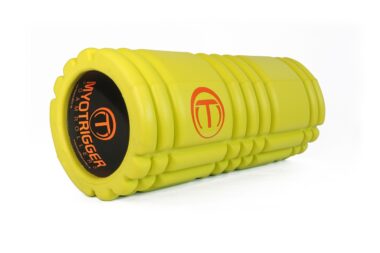
A detailed approach to myofascial release involves understanding its impact on greater flexibility. Myofascial release focuses on the fascia, which surrounds and supports muscles and organs, often becoming tight due to injury, stress, or inactivity. This tension may restrict motion and affect your flexibility. Performing self-myofascial release techniques using tools like foam rollers and massage balls can aid in releasing muscle tightness, thus promoting flexibility. Start by identifying tight areas and applying gentle pressure while performing slow, controlled movements. As you work through these tight spots, breathe deeply to foster relaxation and enhance the effect. Combining myofascial release with regular stretching will yield better results as you increase your range of motion. Aim to schedule these sessions several times a week for optimum results. Monitoring how your body responds to these techniques can provide valuable insights into your progress. Documenting the ease of performing specific movements before and after these sessions can reveal improvement. Keep in mind that everyone’s body is unique; progress varies between individuals. Therefore, listen to your body and adjust your routine as needed.
Setting Realistic Goals
When tracking your progress in flexibility, setting realistic goals is key. Identifying where you currently stand in terms of flexibility can help you establish achievable short-term and long-term objectives. For instance, if your goal is to reach your toes during a forward bend stretch, measure your current flexibility level by noting how far you can reach. Based on this assessment, create personalized goals that push your limits a bit further rather than forcing you to achieve extremes immediately. Consider breaking goals down further into specific time frames, such as weekly or monthly. This makes it easier to focus on incremental progress rather than overwhelming yourself with long-term success expectations. Writing down these goals not only solidifies your commitment but allows for easier tracking. Regularly review your objectives to ensure that they remain challenging yet attainable as your flexibility improves. Celebrating small victories, like increasing range or depth in stretches, will motivate you to stay consistent. Use these moments to acknowledge the dedication required for growth, which can foster a more positive mindset throughout your flexibility journey.
Consistent myofascial release practice is vital for tracking flexibility progress effectively. Without consistency, it is challenging to see real improvements in muscle function and range of motion. Establishing a regular schedule for myofascial release can significantly contribute to your flexibility goals. Consider setting aside dedicated time each week for these sessions, allowing them to become a routine part of your fitness plan. Incorporate other flexibility training modalities, such as yoga or pilates, to further enhance your efforts. Mixing different practices keeps your regimen engaging and promotes overall body awareness. You can also rely on video tutorials or classes to explore new techniques and variations. Seek guidance if you’re unsure about methods or practices that suit your body. Engaging a professional can provide additional insight into the best approaches tailored specifically for you. Furthermore, remember to track your progress in a dedicated flexibility journal. Note the state of your muscles before and after each session, along with the techniques used. This detailed log can help identify what contributes most to your progress.
Utilizing Tools and Techniques
Using specific tools can significantly enhance your myofascial release technique and tracking flexibility progress. Foam rollers, massage balls, and handheld devices are beneficial for targeting tight areas effectively. Foam rollers offer a versatile option for working large muscle groups, while targeted massage balls can help address trigger points in smaller areas. Incorporate these tools into your routine, both before and after your workouts. For instance, performing myofascial release before workouts can help prepare your muscles for stretching, while post-workout release aids in faster recovery. Moreover, consider exploring guided myofascial release videos to learn new methods that suit your individual needs. This will also expose you to various techniques and enhance your overall understanding of the practice. Many fitness apps offer built-in tracking features as well, allowing you to log your sessions, set reminders, and monitor your progress visually. Experiment with multiple techniques, find what resonates with you, and stay committed, as consistency will yield the best results over time. Engaging fully in tracking progress can transform your perspective on flexibility as an integral fitness component.
Enhancing your understanding of anatomy can also play a critical role in tracking flexibility progress with myofascial release. Knowledge of muscle groups and fascia will equip you to identify areas needing focused attention. Different activities may cause tightness in specific muscle groups, so knowing how these connections work will help you tailor your practice efficiently. Consider reading anatomy books or taking workshops to deepen your knowledge of the body’s structure and function. Understanding the relationships between muscles and fascia can guide your efforts in achieving greater flexibility. For instance, tightness in your hips may affect your lower back and vice versa. Recognizing these connections can lead you to adopt a holistic approach to flexibility improvement. This will ultimately enhance the effectiveness of your myofascial release sessions. Furthermore, sharing your learning with others can strengthen your understanding. Whether it is through coaching, discussions, or community forums, engaging with like-minded individuals encourages mutual growth. Participating in group practices may also motivate you to push your limits while participating in a support network.
Mindfulness and Body Awareness
Mindfulness is an often overlooked aspect of tracking your flexibility progress with myofascial release. Developing body awareness through mindfulness techniques can greatly enhance the experience of stretching and releasing tension. Being attentive to how your body feels during these sessions promotes healing and progress. For example, pay attention to sensations such as tightness, discomfort, or relief as you work with your fascia. Practicing breathing exercises during myofascial release allows you to tune in to what your body is communicating. Not only does this practice help you recognize areas that need attention, but it also encourages deeper relaxation, making it easier to release tight spots. Incorporating meditation into your routine can further enhance body awareness and mindfulness. Setting aside time for quiet reflection helps calm the mind, allowing you to reconnect with your body’s needs. Emphasizing a mind-body connection can create a deeper understanding of your movements and flexibility goals. The more you appreciate your body’s capabilities and limitations, the better you can tailor your training to achieve lasting results.
The journey towards improved flexibility through myofascial release is an ongoing process filled with learning and growth. Remember that setbacks may occur, and progress might not always be linear. Listening to your body and adjusting your approach are essential for staying on track. Celebrate small victories to keep your spirits high as you navigate this challenge. Continuous learning and care for your body will enhance your experience as you explore your flexibility potential. Keeping your mind open to various techniques can uncover new insights and methods that work best for you. Connecting with other individuals on the same journey fosters community support, motivation, and accountability. Online forums and social media groups are great resources for sharing experiences, challenges, and successes. This sense of belonging can be very helpful in maintaining motivation and consistency. As you progress, remember to revisit and revise your goals based on your experiences. Flexibility tasks can become progressively challenging, ensuring that you remain engaged. Return to the fundamental principles of myofascial release to deepen your understanding and ultimately foster the flexibility you strive for over time.