
Preventing Common Injuries in Postpartum Fitness Sessions
After childbirth, many new mothers prioritize fitness and recovery, seeking safe postpartum workouts. However, it’s essential to be aware of potential injuries that can occur if exercises are not approached with care. Common injuries might include diastasis recti, pelvic floor dysfunction, and hernias. To avoid these, it’s crucial to start with gentle movements that focus on core stability. Engaging in low-impact exercises like walking or swimming can strengthen muscles and enhance cardiovascular health without straining the body excessively. Always listen to your body, allowing adequate time for recovery. Consultation with a healthcare provider before beginning any fitness regimen is advisable. They can offer recommendations tailored to individual needs, taking specific postpartum conditions into account. Consider joining a postpartum fitness class, which focuses on safe practices under the guidance of qualified trainers who understand the body’s changes. Moreover, maintaining proper hydration and nutrition will aid recovery and enhance workout performance. Building a supportive environment at home and involving family in fitness can help encourage consistency, ensuring a smooth transition back into physical activities. Emphasizing gentle and supportive exercise routines will empower new mothers on their postpartum fitness journey.
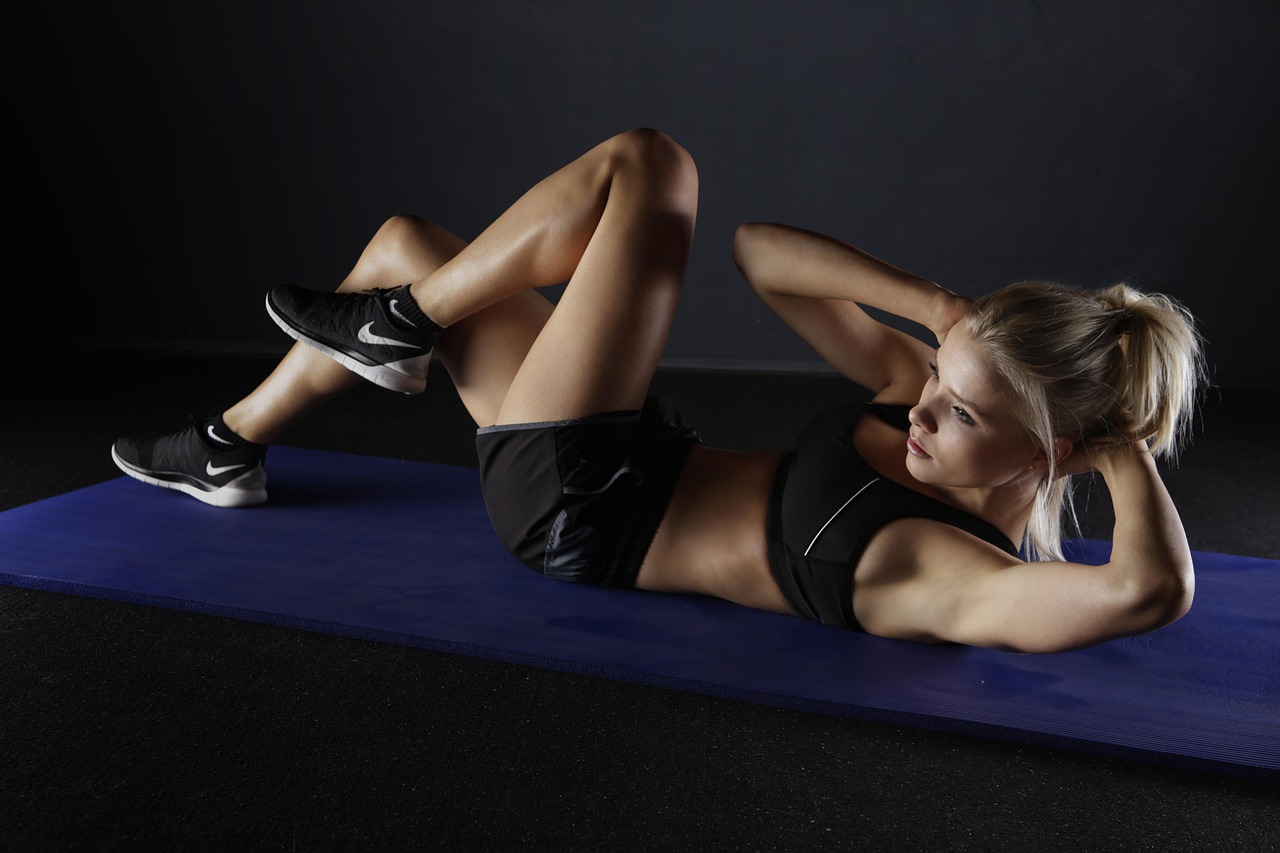
This tailored approach provides a solid foundation for postpartum fitness. Prioritize listening to your body, as every recovery process is unique. New mothers may find that some days they feel more energized than others; adapting workouts to fit daily energy levels is crucial. Incorporate flexibility and balance practices, such as yoga or pilates, which can enhance core strength while minimizing injury risks. These practices not only engage the core but also promote mental well-being, reducing stress associated with new responsibilities. When performing exercises, maintain proper form and breathing techniques to effectively engage muscles and prevent strain. It is important to focus on controlled movements rather than rushing through workouts. Gradual progression of intensity is vital for safe recovery. Realistic, small goals can help motivate new mothers and track their progress. Utilize equipment designed for postpartum fitness, such as stability balls, which can assist in core strengthening exercises. Furthermore, engaging in exercises specifically targeting the pelvic floor can greatly reduce the risk of dysfunction, allowing greater comfort in daily activities. Seeking advice from a qualified fitness professional can provide personalized routines, creating safer, more enjoyable fitness experiences.
Incorporating Strength Training Safely
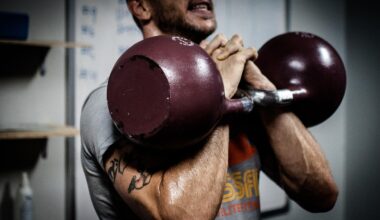
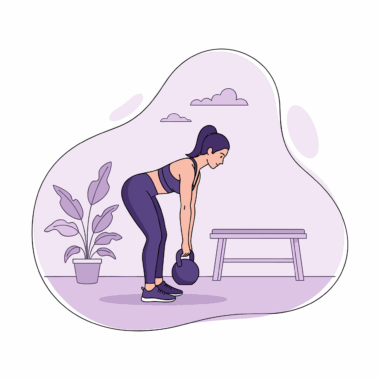
Strength training is a beneficial aspect of postpartum fitness. Engaging in light resistance exercises can rebuild muscle strength significantly weakened during pregnancy. It is essential to start with body-weight exercises before gradually introducing weights. Exercises like squats, lunges, and modified push-ups are excellent for reacquainting with strength training without undue stress. Utilize resistance bands to ensure gradual muscle engagement, allowing for personalization of effort levels. This progressive approach fosters not only strength gain but also confidence during workouts. Consider working with a personal trainer specializing in postpartum fitness, ensuring the introduction of appropriate strength exercises tailored to your recovery stage. Additionally, maintaining a keen awareness of muscle tension and pain during workouts can help in identifying any potential injuries promptly. If there are any concerns, cease the activity and consult a healthcare specialist to assess injury risks thoroughly. Also, create a balanced routine incorporating cardiovascular, flexibility, and strength training exercises, promoting overall wellness. Allow sufficient rest periods between workouts for muscle recovery to prevent overuse injuries. With a conscientious approach toward strength training, new mothers can enjoy the benefits of regained strength alongside improved overall health.
Restorative techniques post-exercise play a critical role in any postpartum workout regimen. Techniques like foam rolling, stretching, and proper cool-downs should accompany all workout sessions to support muscle recovery. These restorative practices help ease muscle tension and promote circulation, leading to improved healing. Understanding how to incorporate these techniques effectively may prevent long-term injuries. Consider complementing workouts with pelvic floor exercises as core strength is crucial in recovering from the physical changes after childbirth. Exercises like Kegels can reinforce pelvic stability and support during more demanding workouts. Furthermore, prioritizing sleep and downtime can enhance recovery and overall energy levels. Adequate rest balances the intensity of workouts, ensuring that the body has time to adapt and heal. A well-rounded postpartum fitness routine incorporates both movement and recovery, fostering an environment that prioritizes health and wellness. Encourage open dialogue with personal trainers, discussing concerns or discomfort during sessions. Their expertise can provide guidance to modify exercises effectively, ensuring the safety and success of the fitness journey. The commitment made towards a thoughtful and holistic approach to postpartum fitness is integral, setting the stage for a strong foundation.
Building a Support Network
Establishing a support network during the postpartum recovery phase greatly enhances the fitness journey. Engaging in fitness classes with other new mothers can create camaraderie and emotional support. Sharing experiences and milestones fosters motivation and accountability, making it easier to overcome challenges faced in recovery. Look for local community centers or gyms offering specialized postpartum fitness programs where mothers can meet frequently. Involving a partner or family member in workouts can also allow for encouragement while reinforcing emotional bonds. Establishing a routine with accountability partners ensures consistency even on days when motivation wanes. Creating online groups or seeking social media platforms dedicated to postpartum fitness can connect mothers and support their journeys. Through shared tips, successes, and struggles, these groups may enrich personal experiences. Remember to celebrate small achievements along the way, fostering positive reinforcement. As new mothers navigate through workouts, the presence of a supportive network plays an invaluable role, offering motivation and emotional strength. Through shared experiences, mothers will practice self-care while being part of a community that values health and wellness. This mutual understanding fosters a sense of belonging in the postpartum journey.
Nutrition is a central pillar of postpartum fitness, influencing energy levels and recovery. Consuming a balanced diet rich in vitamins, proteins, and minerals supports overall well-being. Proper nutrition can significantly impact workout performance and physical recovery while promoting crucial muscle rebuilding. Focus on incorporating nutrient-dense foods like fruits, vegetables, whole grains, and lean proteins daily. Adequate hydration is equally important, ensuring the body maintains energy levels during and after workouts. New mothers should recognize hunger cues and prioritize nourishing meals to sustain energy for daily tasks. Additionally, mindful eating habits can prevent energy crashes that hinder workout routines. Consider enjoying meal prep sessions to make healthy choices more accessible during busy weeks. Engaging in cooking classes centered on nutrition may also help in learning about healthy eating. Seeking guidance from a nutritionist specializing in postpartum care can provide personalized dietary plans and tips suitable for individual health objectives. Consequently, a well-rounded approach that emphasizes nutrition can dramatically boost energy levels, aiding smoother workouts and recovery. Recognizing the integral relation between nutrition and fitness can empower mothers on their journey toward improved physical health.
Consistency and Motivation
Consistency forms the backbone of any effective postpartum fitness routine. Developing a structured schedule that factors in baby’s naps or caregiver assistance will ensure dedicated workout time. Making fitness a priority can help set lifelong wellness habits. Recognizing that the journey may have ups and downs reinforces the importance of patience with oneself. Goals should be realistic and easily adjustable, promoting a supportive mindset. Tracking workouts can also provide a sense of accomplishment, showcasing progress over time. Many mothers find that logging exercises, flexibility, and strength training sessions lifts motivation levels, particularly when postpartum challenges arise. Group fitness settings can encourage consistency, as friends sharing the same objectives tend to uplift one another. Signing up for postpartum fitness challenges or classes may introduce a degree of friendly competition. Embrace the inherent joy of movement by exploring different workout styles until you find your favorites. Many mothers report feeling energized and accomplished after consistent participation in various activities. Cultivating a positive attitude toward workouts and celebrating all victories can enhance motivation, resulting in a fulfilling fitness journey for new moms, even amidst the chaos of motherhood.
Revisiting fitness after childbirth is transformative, enhancing personal well-being. With a conscientious and measured approach, mothers can experience positive developments physically and emotionally. By prioritizing safe postpartum workouts while preventing injuries, women can regain their strength and overall health gradually. Creating realistic fitness goals, coupled with encouragement from peers and trainers, enriches this journey even further. Remember to take it slow, listen to your body, and allow for ample recovery times. Utilizing community resources and support networks can make this transition smoother and more enjoyable. Acknowledging each step along the way will empower women toward embracing their renewed fitness journeys. As new mothers navigate through challenges, aligning fitness with recovery and nourishment can maximize their experience positively. Striving for balance and engaging with supportive frameworks promotes overall wellness. By integrating these practices, mothers can create long-term habits that benefit both themselves and their families. Through collaboration and shared experiences, the postpartum fitness journey will ultimately lead to stronger bodies and resilience. Indeed, this chapter can unfold into the most rewarding experience of a mother’s life. It reinforces the importance of self-care and encourages a balanced lifestyle in motherhood as a whole.