
The Best Treadmill Running Techniques for Beginners
Starting your treadmill running journey can be an exciting yet daunting experience. For beginners, understanding the fundamental techniques can significantly enhance your fitness journey. Prioritize your warm-up before you begin running; this helps prepare your muscles for activity. Start with a light walk for 5-10 minutes to increase blood flow to your legs. Focus on maintaining an upright posture by keeping your shoulders back, chest up, and looking straight ahead. Utilize a slight bend in your elbows to allow for effective arm movement, which assists in maintaining balance. Choose a comfortable pace that allows you to hold a conversation. This means you should not be sprinting; rather, aim for a speed where you feel challenged yet comfortable. Gradually increase your running duration and pace to build endurance. Don’t forget to keep your feet landing softly to minimize impact on your joints. The treadmill is equipped with speed and incline adjustments; don’t hesitate to experiment with them to add variety to your workouts. Incorporating intervals can promote fat burning and improve cardiovascular health, so make sure to integrate them periodically.
One common mistake beginners make is overexerting themselves right from the start. This leads to fatigue and may discourage continued exercise. Consistency is key, so develop a realistic running schedule. Initially, aim for 3-4 days per week, alternating between running and rest days. Each running session can last anywhere from 20 to 30 minutes, depending on your comfort level. Gradually increase your time and distance as you become more confident. Proper footwear is incredibly important – invest in a good pair of running shoes that offer adequate support and cushioning. This minimizes your risk of injury while maximizing comfort during your workouts. Run on a treadmill with a slight incline, about 1% to 2%, to better simulate outdoor running. Pay close attention to your breathing; focus on deep, rhythmic breaths to maintain optimal oxygen levels. Hydration is also crucial before, during, and after your runs. Keep a water bottle nearby and take sips as needed. Track your progress using a fitness app or a simple journal to celebrate milestones, set new goals, and stay motivated. This accountability helps foster a healthy running habit that can lead to long-term benefits.
Incorporating Technique and Form
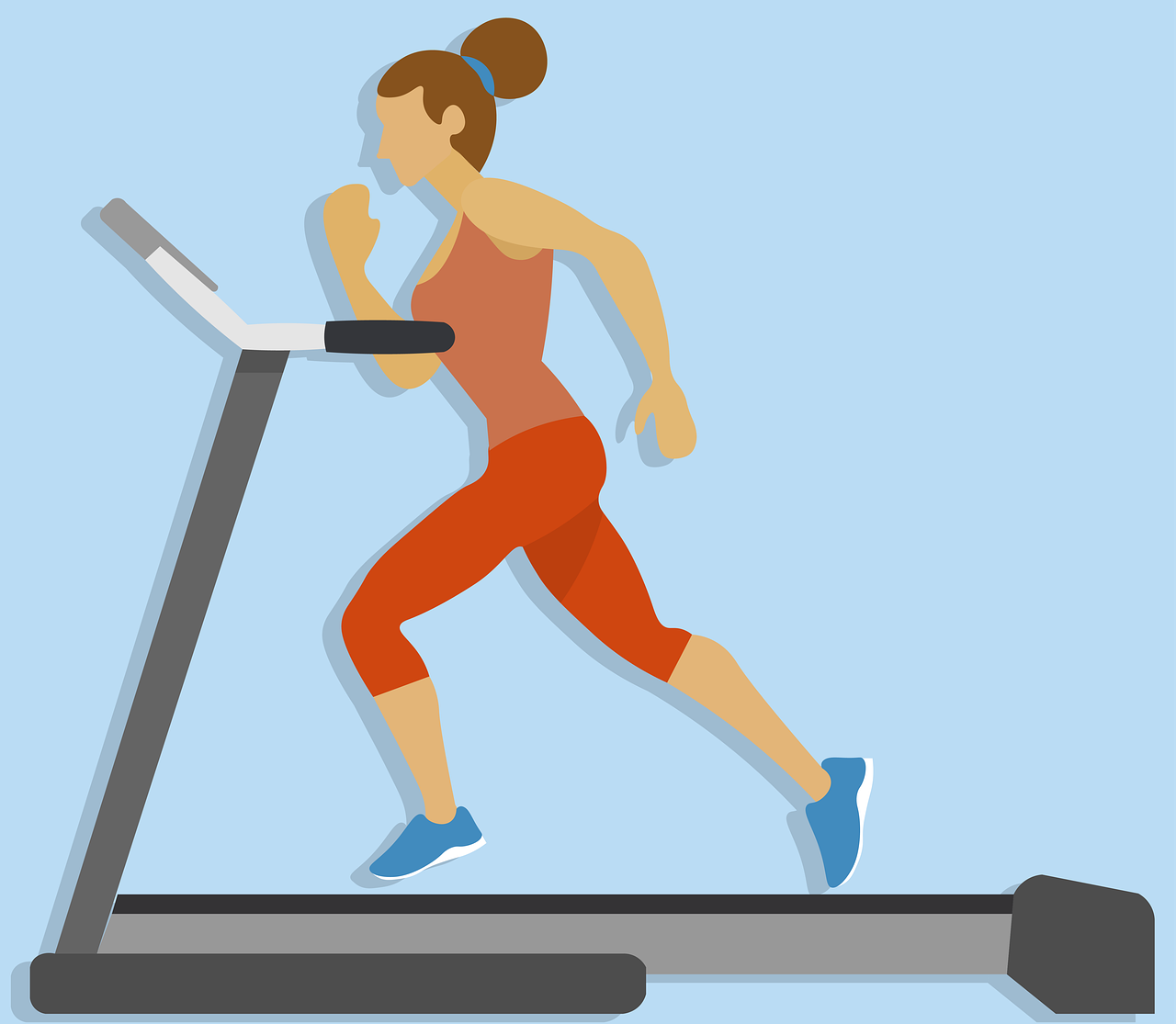
Proper techniques and running form are essential for beginners to enhance their treadmill experience. Focus on your strike; landing on the midfoot rather than the heels can lead to better balance and less impact. Visualize the running motion; your legs should follow a natural path. Avoid overstriding, which can lead to injury and is less efficient. Your hips should remain aligned with your knees and feet. As you run, engage your core muscles to keep your body stable; a strong core is vital for maintaining running form and preventing fatigue. Additionally, ensure your arms move naturally; they should swing in coordination with your legs, promoting an efficient rhythm. Remember to relax your hands—clenching them can create tension throughout your upper body. When to breathe? Inhale through your nose and exhale through your mouth while keeping a steady pace. Establish a rhythm that suits your stride and keeps your energy levels up. An excellent tip is to use a metronome to help maintain a consistent pace while running, adjusting your foot strikes according to the beats.
Posture plays a key role in running efficiency. Keep your shoulders relaxed and back, and your head up; this helps maintain an open airway for breathing. Pay attention to your stride; aim for a comfortable cadence between 170-180 steps per minute. Shorter strides can reduce impact and improve stability. As you grow more confident in your abilities, don’t hesitate to increase your speed and distance occasionally. This only applies as you feel comfortable. Introduce various workouts such as intervals, tempo runs, and hill workouts to prevent boredom and enhance your fitness. Track these workouts with your fitness app; reviewing your performance can help you understand your strengths and areas for improvement. Be realistic with your expectations and don’t hesitate to listen to your body. If fatigue sets in, allow yourself time to recover. Adjust your training plans according to how you feel physically and mentally. Mix it up; running doesn’t need to be monotonous. Engage with friendly competitions, either virtually or in person, to motivate yourself. The key is to enjoy the process and focus on progress rather than perfection.
Cooling Down and Recovery
Cooling down after your treadmill sessions is equally vital, especially for beginners. Gradually reduce your running speed over the last 5-10 minutes of your workout, shifting back into a gentle walk. This process helps normalize your heart rate and prevents abrupt changes that may lead to dizziness. Following your cooldown, incorporate static stretches targeting your calves, quads, hamstrings, and hips. Static stretches enhance flexibility and aid recovery by reducing muscle tension. Focus on holding each stretch for 15-30 seconds to ensure effectiveness; don’t push yourself too hard, as this could lead to injury. Nutrition plays an important role in post-workout recovery; hydrate and consume a balanced meal or snack rich in carbohydrates and protein to replenish energy stores. Examples include whole grain toast with avocado, a protein shake, or yogurt with fruit. Allow yourself at least one full rest day weekly, ensuring the body has adequate recovery time. This helps avoid burnout and injuries. Active recovery days, like gentle walks, yoga, or light cycling, can keep your body engaged while promoting healing. Remember that progress takes time, so remain patient and committed to your fitness journey.
When it’s time to progress in your treadmill running technique, consider adding variations to your routine. Mixing different workouts can keep things fresh and engaging. The use of interval training is an effective method. Combine periods of high-intensity running with lower-intensity walking or jogging to enhance endurance and speed. Additionally, you can introduce hill workouts by adjusting the incline on your treadmill. This variation challenges different muscle groups while mimicking the natural resistance of outdoor running. Moreover, developing a cross-training regimen can further complement your treadmill running. Activities like cycling, swimming, or strength training can strengthen muscle groups that are less engaged during running. Include core strengthening exercises as a crucial part of your weekly routine. A robust core supports your running posture and enhances overall stability. Don’t forget to incorporate agility drills or quick feet workouts. These are fun ways to improve your foot speed and coordination, which significantly benefits your treadmill running. Mix these exercises into your weekly schedule, ensuring a balanced approach to fitness that lays a solid foundation for longer, more challenging runs.
Setting Goals and Staying Motivated
Lastly, goal setting is paramount in your treadmill journey. Initially, define short-term and long-term goals to help structure your running plans and keep you motivated. Short-term goals might include running for five minutes continuously or completing a specific distance. Long-term goals could be running a 5K or increasing the time spent running each week. Write down these goals and track your progress regularly. Setting reminders or using fitness apps can enhance your accountability. Additionally, joining running groups or forums can provide camaraderie and support. The social aspect also fosters motivation, encourages improvement, and facilitates learning new techniques. When facing challenges or demoralizing days, remind yourself of your progress and achievements. Celebrate milestones, regardless of size, as they mark your dedication to fitness. Share your journey with friends and family; having a support system is vital. Remember that setbacks are a part of the process, and perseverance leads to results. Always reassess and adjust your goals when necessary, ensuring they remain realistic and attainable. Quick wins and tangible experiences keep the excitement alive while you continue to develop your treadmill running technique.
In conclusion, treadmill running is an excellent way for beginners to establish a solid fitness foundation. Ensure you start with proper techniques, incorporating warm-ups, cool-downs, and adequate recovery to avoid injury. Posture and form play pivotal roles during running sessions, promoting endurance and efficiency. Gradually introduce various workouts, including intervals and hill running, while maintaining a balanced approach to protect your body. Set and track your goals to maintain motivation, and be part of a supportive community that shares similar objectives. Remember, every runner’s journey is unique, so embrace the process; celebrate progress, and cherish every stride towards a healthier future. Treadmill running can transform your fitness regimen while offering not only physical benefits but also mental wellness through discipline and dedication. Prioritize joy and satisfaction within your workout routine while maintaining flexibility with your plans. As you gain confidence, don’t hesitate to explore new opportunities beyond the treadmill, like outdoor running or local races. Even the seasoned runners started at square one. Carve your path and enjoy every step as you advance in your treadmill running endeavors.