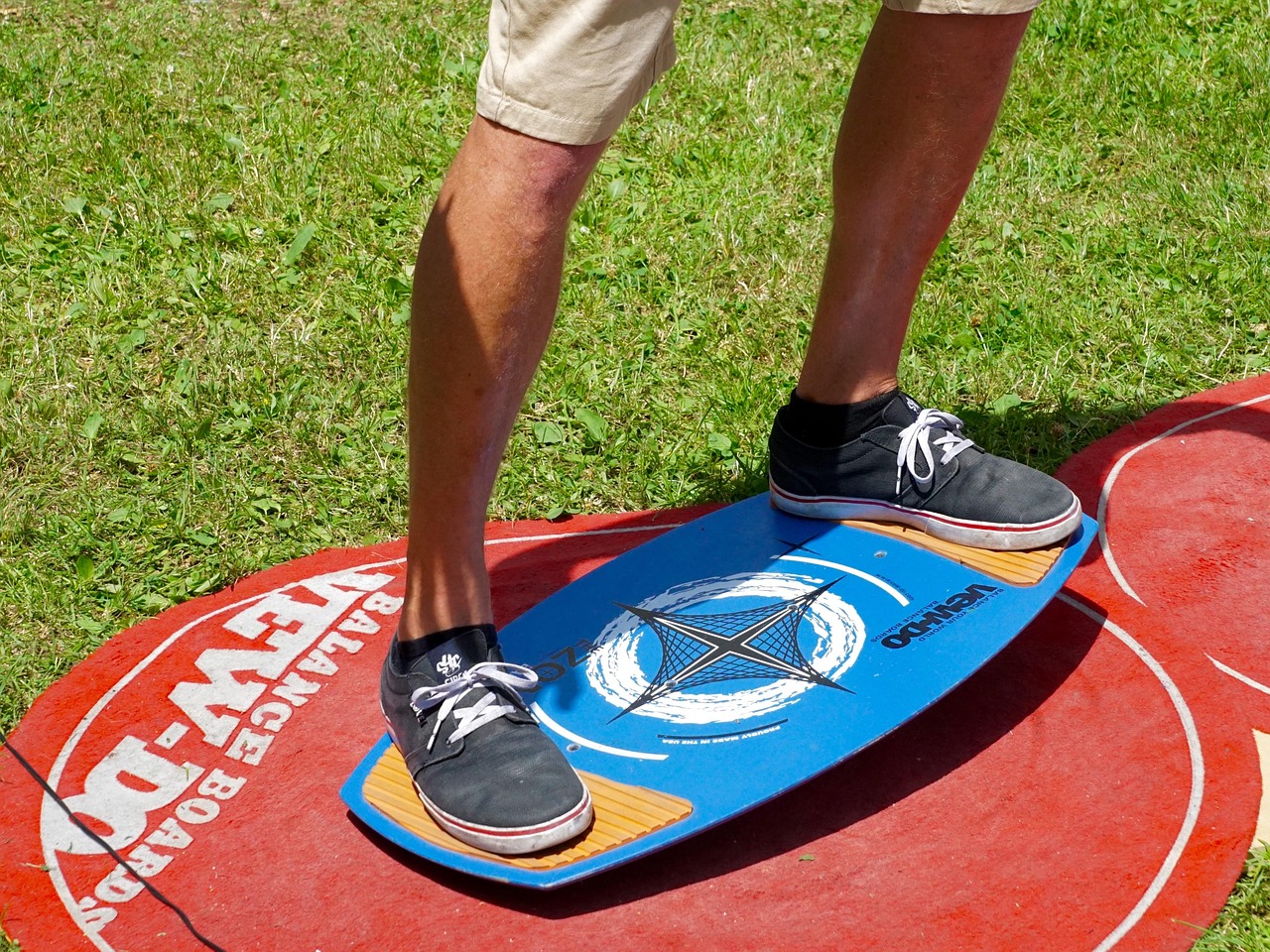

Footwork Patterns Every Savate Fighter Should Know
Footwork is a fundamental aspect of Savate, the French kickboxing style known for its elegance and effectiveness. Savate fighters rely on precise footwork to generate power, evade attacks, and create openings for strikes. Mastering various footwork patterns is essential for both offensive and defensive maneuvers. Among the most vital patterns is the “chassé,” a lateral movement that allows fighters to quickly reposition themselves. It creates angles that can result in powerful strikes from unexpected directions. Additionally, the ability to retreat swiftly using the “reculé” movement is crucial for avoiding incoming attacks. The “croisé” footwork, where one foot crosses in front of the other, aids in closing the distance to land effective strikes. Training these footwork patterns should be incorporated into daily practice, focusing on precision and speed. As a Savate fighter, being light on your feet can make a significant difference during a match. Consistent practice of these footwork techniques aids in developing a fighter’s overall agility and enhances tactical capabilities, contributing to better performance in competitions. The implementation of these patterns creates a dynamic fighting style, crucial for any serious practitioner.
Another essential pattern is the “luenté,” which emphasizes fluid movement and transitions. This technique focuses on maintaining balance while moving laterally or diagonally, allowing fighters to evade strikes efficiently. The “luenté” helps in enhancing a fighter’s ability to quickly change directions, which is critical during sparring sessions. Practicing footwork drills that reinforce this movement will build muscle memory and agility. Using a combination of heavy bag work and shadowboxing drills will help solidify these movements. When done effectively, the “luenté” makes it difficult for opponents to predict actions, opening opportunities for counterattacks. Further, integrating the “pivot” technique into the training regime enriches footwork versatility. Pivoting allows fighters to change angles and evade strikes while maintaining a ready stance to deliver quick responses. Understanding the importance of these footwork patterns not only improves offense but also enhances defensive strategies, which is vital in high-pressure situations. Regularly drilling these movements can lead to a more adaptable fighting style, making an athlete truly versatile in the ring. Innovating these techniques into one’s fighting arsenal will instill greater confidence during competition, bringing Savate practice full circle.
Advanced Techniques for Savate
Moving beyond basics, fighters can explore advanced footwork techniques that add complexity to their style. One stylish movement is the “glissade,” which involves sliding forward or backward while keeping both feet slightly apart. This technique is particularly useful for creating distance quickly. When executed properly, it makes it challenging for opponents to predict a fighter’s next move. Another advanced technique is the “pas chassé,” a quick sidestep that allows a fighter to evade attacks while simultaneously preparing to land their own strikes. The incorporation of the “pas chassé” into sparring drills enhances overall movement and positioning. Each footwork element should seamlessly transition into one another, creating a fluid motion that can confuse and deceive opponents. Practicing eco-fighting—where a fighter optimizes movements for energy efficiency—is vital to keeping stamina high throughout a match. Visualization techniques can also aid in improving footwork skills, by mentally picturing foot placements during fights or training sessions. These advanced techniques add depth to a fighter’s game, elevating them from being merely reactive to proactively directing the flow of a match, showcasing the artistry inherent in Savate.
Additionally, integrating agility training into a footwork regimen will amplify a fighter’s performance. Implementing drills that focus on lateral movement, such as cone drills or ladder drills, builds explosive speed essential in Savate. These exercises significantly enhance coordination, enabling fighters to move quickly while still maintaining control over their strikes. Sports science emphasizes the connection between agility and effective combat performance, with studies showing faster footwork correlates with higher success rates in strikes and evasions. Athletes may also benefit from utilizing resistance training, which effectively builds strength in the legs and core, providing more powerful footwork. Engaging in regular leg-strengthening exercises helps fighters endure longer durations in the ring, which ultimately leads to improved stamina. Strike combinations should complement footwork practice, ensuring that every attack aligns with movement patterns. As fighters become more adept, they will instinctively combine footwork and strikes, making them unpredictable in combat. Hands-on experience during sparring sessions allows fighters to test and refine these techniques, revealing areas ready for improvement. This active application of skills not only boosts performance but also enhances tactical understanding long-term, reinforcing the fighter’s identity.
Importance of Drills
Practicing drills dedicated to footwork is integral for honing skills while minimizing injuries. It is beneficial for fighters to devote specific training sessions solely to these movement techniques. Repeatedly executing footwork patterns solidifies memory functions, making them instinctive during actual fights. Sparring should be tailored around the integration of footwork strategies, encouraging fighters to test out newly acquired skills. Coaches can create scenario-based drills that simulate real-match situations, prompting fighters to implement footwork creatively. Pairing footwork drills with visual feedback, such as watching filmed sparring matches, fosters constructive critiques of movements. Such sessions enhance a fighter’s self-awareness, helping them identify strengths and weaknesses in their footwork. Working in pairs enables fighters to practice against one another, creating a dynamic training environment that complements individual efforts. Consistency is key, making daily sessions crucial for progress. Integrating resistance bands or agility hurdles during drills can increase versatility in footwork while also improving strength. Lastly, fostering a supportive community among peers can motivate fighters to persist in developing their skills consistently. As these foundational practices become habitual, fighters will find their footwork transforms into a powerful asset during competition.
To further aid in mastering footwork patterns, visualization is an essential tool for both novice and experienced fighters. Practicing mental imagery techniques encourages greater understanding and retention of footwork movements. Athletes visualize themselves executing footwork combinations seamlessly, which enhances overall execution in real scenarios. Mental practice can complement physical training, reinforcing techniques learned during sessions. In addition to visualization, recording sparring sessions or training exercises allows fighters to analyze their footwork critically. By observing personal performance on video, athletes can pinpoint inconsistencies to address during training. Identifying areas of improvement opens dialogue for growth and adaptation to constantly changing scenarios in a fight. It is also beneficial to receive constructive feedback from coaches and peers during this analysis. Fine-tuning these footwork skills positions fighters firmly on the path of improvement. Ultimately, the combination of visualization, analysis, and practice cultivates a comprehensive skill set necessary for success inside the ring. Aspiring fighters should embrace this rigorous approach as pursuing excellence in footwork propels them toward achieving their goals. As techniques become ingrained, fighters will exhibit a level of agility and mastery that distinguishes them within the Savate community.
Conclusion
In conclusion, mastering footwork patterns is a critical part of becoming a successful Savate fighter. Each movement adds a unique layer to a fighter’s ability to engage opponents effectively while maintaining self-defense strategies. Committing to daily practice, along with the mental and physical techniques discussed, enhances overall agility and performance. Savate footwork is not just about moving; it’s about creating an environment where surprises and openings flourish. Each footwork pattern serves a specific purpose, and understanding these allows fighters to make smarter decisions in the ring. As fighters cultivate their skills and integrate new techniques, they develop their unique style. The unity of technique, instinct, and finesse truly brings Savate to life for fighters. Emphasizing the importance of rigorous training and consistent drills cannot be overstated. Through relentless practice, a fighter who harnesses these footwork patterns will undoubtedly find themselves excelling on the competitive stage. Ultimately, the journey of mastering footwork can open doors to further opportunities in martial arts. Determination, persistence, and a commitment to continuous learning will ensure that each Savate fighter reaches their fullest potential.