
The Science Behind Efficient Swimming Techniques
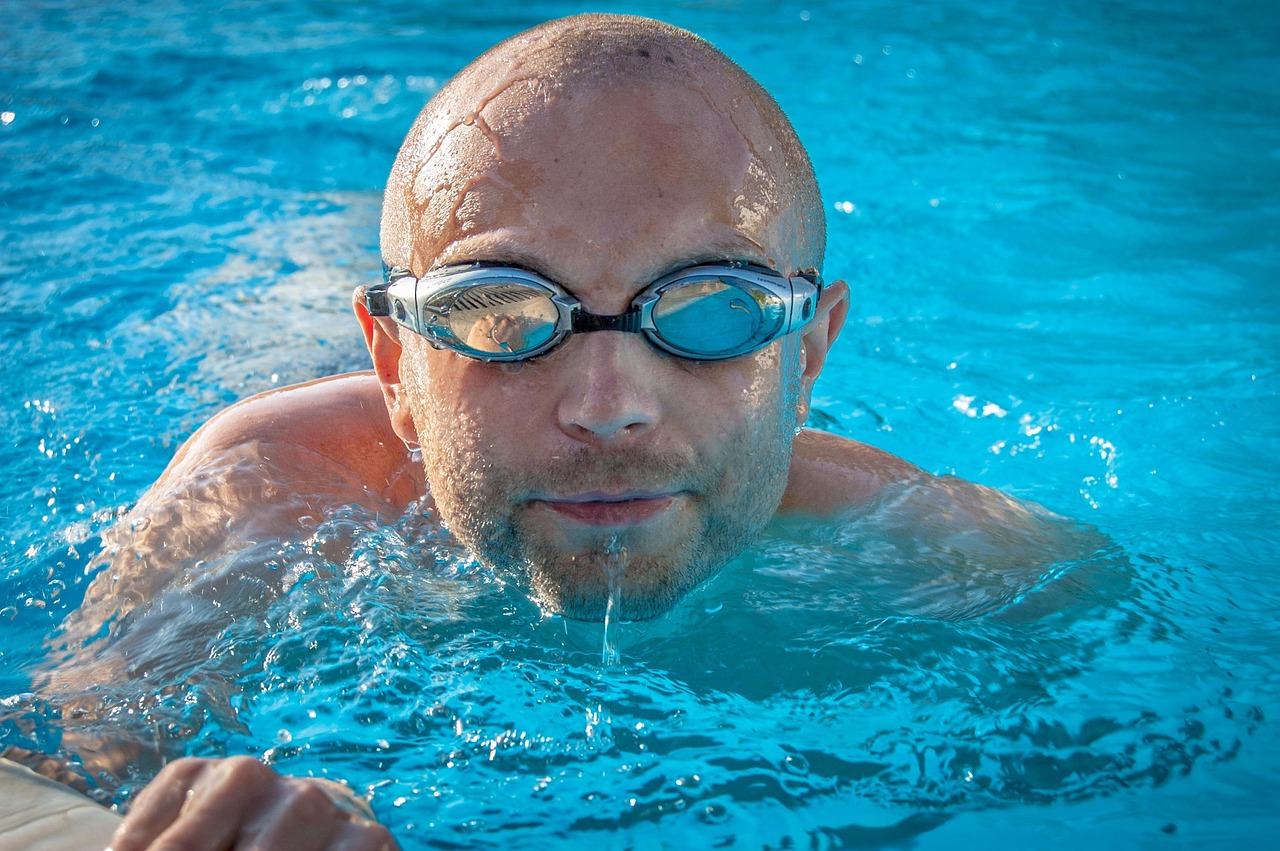
Swimming is both an art and a science. Understanding the biomechanics involved can significantly enhance swimming performance. The physics of swimming encompasses force production, resistance management, and efficiency maximization. Swimmers often focus on increasing speed, but achieving an efficient stroke is equally crucial. Elements such as body position, kick technique, and arm movements play an essential role. The optimal angle of entry for the hand can reduce drag. The alignment of the body can either accelerate or hinder performance. Additionally, numerous factors impact the stroke mechanics, including stroke rate, distance per stroke, and glide phase use. Each swimmer presents unique biomechanical characteristics and thus their efficiency will vary. Coaches utilizing biomechanics analyze swimmers via high-speed video footage to refine technique. By dissecting movements frame by frame, errors are identified and corrected. As a result, adjustments can lead to improved speed and efficiency. Ergonomically designed strokes minimize energy expenditure while maximizing forward motion. With continuous analysis and adaptation, swimmers can achieve their personal best, making biomechanics a vital component of training. Understanding these factors provides swimmers with the knowledge to swim smart and fast.
Understanding Hydrodynamic Forces
Swimming involves navigating through water, which presents unique challenges requiring an understanding of hydrodynamics. The forces acting on a swimmer can be categorized into two main components: thrust and drag. Thrust is generated through effective arm strokes and leg kicks, while drag acts as resistance, slowing forward motion. Optimizing thrust involves maximizing the surface area of the hand and foot to push against the water efficiently. Conversely, reducing drag can significantly enhance speed. Key areas contributing to drag include the swimmer’s position and form. Factors such as body shape, stroke mechanics, and even the swimwear material can alter the level of drag experienced. To maintain streamlined motion, swimmers are taught to hold a horizontal position with minimal rotation. Techniques like bilateral breathing further ensure efficient movement. Competitive swimmers often use specialized gear, including wetsuits, designed to improve hydrodynamic efficiency. Understanding how to balance these forces is critical for both novice and experienced swimmers. Swimmers must learn how to harness thrust while minimizing drag for optimal performance. Continuous biomechanical analysis enhances awareness and technique, translating directly to competitive advantages in the pool.
Streamlining movement plays a pivotal role in swimming efficiency. Proper streamlining reduces drag, allowing swimmers to glide effortlessly through the water. This involves aligning the body to create a straight, narrow profile; like a torpedo. The body’s position should be flat and streamlined, with legs together and pointed toes forming a continuous line. Keeping the head aligned with the spine promotes a more streamlined body shape. Additionally, minimizing unnecessary movements creates an even more efficient entry into the water. Swimmers must also learn to engage their core, which aids in generating a stable midsection. Effective core engagement allows for efficient power transfer from kick through the water. Arm pull techniques must be optimized for in-water propulsion. The entry and exit of the hand during each stroke must be smooth and controlled to ensure minimal disruption. As a result, long, efficient strokes combined with proper breathing can optimize glide distance. Swimmers should focus on fewer, higher quality strokes to enhance efficiency. These streamlining techniques, combined with effective training regimens, form the backbone of successful swimming. Mastery of these principles can yield notable performance enhancements in both training and competition.
The Role of Biomechanics in Stroke Technique
The stroke technique is fundamental to swimming success; hence biomechanics plays a crucial role in its refinement. The six main strokes—freestyle, backstroke, breaststroke, butterfly, individual medley, and sidestroke—each demand distinct mechanics. Analyzing stroke patterns helps to determine optimal body movements for speed and efficiency. It involves understanding the timing, sequence, and force generation during strokes. Effective hand entry, pull, and exit reduce drag, directly influencing velocity. Comprehensive analysis often employs advanced technology, including motion capture and force sensors, to quantify performance metrics. This data provides insights into kinematic efficiency and propulsion mechanisms. Another biomechanical aspect is timing during breathing; when executed correctly, it minimizes disruptions within the stroke. Maintaining a consistent rhythm ensures consistent propulsion while avoiding an increase in drag. Coaches often focus on biomechanics to identify areas for improvement. Proper training techniques, employing drills and skills, allow swimmers to master individual strokes. Adopting this method enables the swimmer to develop a personalized stroke technique tailored to their strengths and weaknesses. Understanding these principles is critical for long-term success, particularly at advanced competitive levels in swimming.
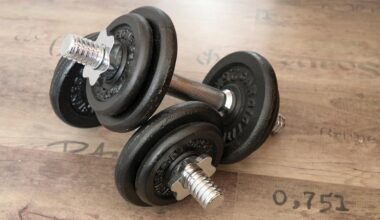
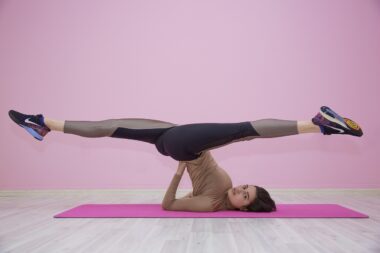
Strength and conditioning play a crucial role in optimizing swimming biomechanics. Core stability, upper body strength, and leg power directly influence the swimmer’s ability to maintain an effective stroke. Weight training tailored to the specific demands of swimming can enhance muscle endurance and strength. Exercises focusing on the core allow for better control of body alignment, reducing drag and improving propulsion. This reinforces streamlined body positioning essential for performance. Additionally, strength training improves performance by increasing kinetic energy during strokes, improving overall speed. Flexibility is another integral factor in swimming biomechanics. A flexible swimmer can achieve a greater range of motion in their strokes, contributing to improved technique and efficiency. Incorporating dynamic stretches and mobility drills into training regimens enhances flexibility and reduces injury risk. Resistance training that mimics swimming movements can translate directly into the pool, helping the swimmer connect strength gains with stroke improvement. Proper conditioning formats a comprehensive approach to swimmer development. Sustained strength conditioning and flexibility training ultimately lead to more powerful and efficient swim performances. Coaches and trainers must work together to develop individualized strength programs to maximize biomechanical improvements.
Implementing Drills for Improved Performance
Practical applications of biomechanics often involve targeted drills aimed at fine-tuning specific aspects of stroke mechanics. Drills focusing on body position, streamline technique, and kick efficiency can identify weaknesses in a swimmer’s performance. Incorporating these specialized drills into training maximizes the benefits of biomechanical analysis. For instance, single-arm drills can isolate and refine each arm’s technique, emphasizing the pull phase and body rotation. Kickboard drills help swimmers develop leg strength and improve propulsion through effective kicking techniques. Incorporating varied breathing drills can cultivate a stronger rhythm and promote effective body alignment during strokes. Moreover, incorporating underwater dolphin kicks enhances core strength and aligns finely with the butterfly stroke’s demands. High-elbow catch drills can further refine each swimmer’s technique, optimizing the pull phase of their stroke. Gradually integrating these focused drills strengthens neuromuscular pathways, enabling swimmers to achieve more precise movements. The result is greater efficiency, speed, and ultimately improved race performance. Effective drills foster not only technique but also confidence in a swimmer’s physical abilities. Utilizing biomechanics as a guiding principle, any swimmer can transform their practice into successful performance.
Performance analysis is critical in refining swimming techniques and enhancing overall efficiency. The incorporation of technology has revolutionized how coaches assess swimmer performance. High-speed cameras and wearable sensors provide invaluable data on swimmers’ movements, facilitating a deeper understanding of biomechanics. This data can be visualized to pinpoint areas needing adjustment, allowing for fine-tuning of the swimmer’s technique. Feedback loops using video playback enable immediate adjustments, reinforcing effective movements while correcting erroneous mechanics. Moreover, underwater analysis offers additional insights into stroke dynamics. Swimmers can view their alignments and adjust in real-time. Coaches can track improvements over time, addressing the distinct needs of individual swimmers. Regular performance assessments lead to a more nuanced training approach tailored to specific strengths and weaknesses. Constructing a comprehensive performance database allows swimmers and coaches to monitor progression and adapt training strategies accordingly. Ultimately, fostering an environment where swimmers consistently evaluate their performance leads to continual improvement. Integrating biomechanical principles with advanced performance analysis ensures that swimmers are prepared to succeed at the highest competitive levels.