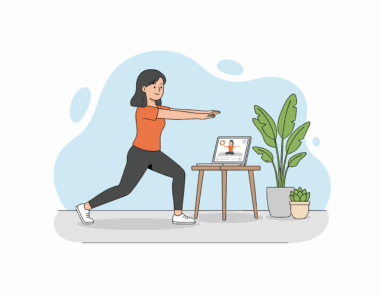

The Role of Mobility Training in Intermediate Home Workouts
Mobility training is vital for individuals engaging in intermediate home workouts. It enhances flexibility, strength, and performance while significantly reducing the risk of injuries. Incorporating mobility exercises can help practitioners develop a better range of motion. When your joints move comfortably, you can execute other physical activities effectively. Furthermore, mobility work aids in muscle recovery post-exercise. For those participating in high-intensity workouts, it is essential to incorporate active stretching, foam rolling, and dynamic mobility routines. Consistently engaging in mobility workouts can prevent muscle tightness and address imbalances in your body. It is crucial to integrate these practices into a workout regimen, allowing for more fluid movements during targeted strength training. Consider scheduling specific days focused solely on mobility exercises. You can enjoy benefits such as improved posture and better coordination in all physical activities, from basic squats to complex compound movements. Prioritize mobility within your fitness journey, as it serves as a foundation for other exercise components. Take the time to educate yourself on efficient mobility strategies to maximize your home workout experience.
To ensure mobility training effectively benefits your home workouts, focus on specific joint areas. Primarily, consider incorporating exercises targeting ankles, hips, and thoracic spine. Each joint plays a crucial role in overall stability and movement quality. Start with ankle mobility drills to enhance your squat depth and agility. Progress to hip mobility routines that promote better squatting and lunging mechanics. Proper hip function allows for explosiveness during high-intensity workouts, such as plyometrics. Incorporating thoracic spine mobility will improve your upper body lifts, such as bench presses and overhead lifts. Implement exercises like cat-cow stretches, thoracic rotations, and shoulder dislocates for effective stretches. Additionally, practice these movements consistently and encourage gradual progression. When practicing mobility, concentrate on quality over quantity, ensuring adequate time for each stretch. Over time, realize the improvement in joint function and muscle coordination. The integration of extensive mobility training can transform your fitness journey, enhancing performance during workouts and daily activities alike. As you continue to expand your mobility foundation, embrace the long-term results of improved flexibility and efficiency in your fitness approach.
Key Mobility Exercises for Intermediate Workouts
Here is a list of crucial mobility exercises to integrate into your intermediate home workout plans. Start with the 90/90 hip stretch, which targets both internal and external hip rotation. This exercise improves hip function and flexibility. Next, incorporate world’s greatest stretch, a dynamic move that combines hip flexor stretches with thoracic rotation. It addresses multiple areas, enhancing your overall mobility. Another effective exercise is the ankle dorsiflexion stretch. This targets the range of motion required for squatting and dynamic movements. The cat-cow mobility is also beneficial, promoting thoracic spine mobility while mobilizing the entire spinal column. Furthermore, integrate the shoulder pass-through to enhance shoulder flexibility and stability during pressing movements. You can use a PVC pipe or resistance band for this mobility exercise. Lastly, don’t forget to incorporate foam rolling into your routine. It promotes muscle recovery and addresses soft tissue restrictions. Keep in mind that daily practice of these mobility exercises will yield remarkable results over time, improving your overall performance and workout efficiency.
Within the framework of intermediate home workouts, consider timing during training sessions. Arrange mobility drills strategically throughout your workout for optimal results. A popular method involves starting with warm-up mobility drills prior to heavier lifting sessions. This practice preps your muscles and joints, reducing injury risk. Additionally, consider utilizing mobility work during rest periods between exercises. Instead of passively resting, engage in targeted stretches to maintain increased blood flow. Although you need to work hard, do not forget the importance of active recovery. Post-workout mobility routines also play a significant role in fostering muscle recovery. You can allocate a few minutes after each workout to engage in soft tissue work and stretching. This practice promotes better overall recovery and improves your subsequent performances. Exploring advanced techniques may also enhance the effects of your mobility training. For instance, consider integrating resistance bands into your routines for added tension. Exploring these variations enriches your mobility training and leads to improved functional strength. Aim to continuously adjust and modify these workouts as you progress through your fitness journey.
Additional Resources and Techniques
To further enhance your mobility training in intermediate home workouts, relying on quality resources is essential. Utilize online platforms, such as fitness blogs, YouTube channels, or apps that specialize in mobility routines. Many professionals offer structured programs and tutorials designed specifically for enhancing joint mobility. Consider enrolling in virtual classes that provide a guided approach to improving mobility training. Websites such as MobilityWOD offer extensive resources for individuals seeking to improve their movement quality. Another excellent tool to endorse is mobility certifications, which provides structured education on mobility training. You can also consider incorporating resources like fitness books, focusing on flexibility and mobility strategies. These may offer actionable insights and empower you with further knowledge. For optimal results, remember to set clear mobility goals while tracking your progress. Implementing a journal or using health apps can visualize your journey. Ultimately, equipping yourself with the right tools will aid in developing a comprehensive mobility training approach. Focus on improvement and enjoyment within the process for long-term success and better overall health.
In conclusion, the role of mobility training is significant in intermediate home workouts. As you elevate your fitness level, prioritizing joint mobility is key for injury prevention and performance enhancement. Consistently practicing mobility drills will enable you to achieve better squatting depth and lift heavier weights. The benefits extend beyond the gym, fostering greater flexibility and ease of movement in daily life. As noted, a variety of effective mobility exercises optimizing performance and progression, making it essential to integrate these tools into a balanced workout regimen. Consider customizing a mobility training schedule that incorporates warming up, active recovery, and post-workout stretching. Over time, the awareness of how mobility directly influences overall performance will deepen. Though it may require patience and consistency, the long-term results will enhance your fitness journey. Moreover, sharing these strategies with fellow fitness enthusiasts can enrich your community. Encourage one another to embrace the journey of mobility training, making it an integral part of your intermediate workout planning. Be proactive, committed, and enjoy the transformative benefits mobility training can provide.
Adjusting your workout routines to embrace mobility training is paramount, especially within an intermediate fitness scope. Think about addressing small mobility issues as they arise. Instead of ignoring discomfort or stiffness, view it as an opportunity to improve. Make time for regular assessments, analyzing how your mobility affects different aspects of workouts. Create convenient reminders to assist with maintaining portability in workouts. You can use a dedicated calendar or fitness app to help track goals and exercises. Also, actively educate others about the importance of mobility as it pertains to fitness. Engaging discussions with peers can lead to motivation and collective improvement. Seek feedback on your mobility routines as part of the learning process. Each person will have unique mobility needs, and exchanging techniques fosters a supportive environment. In this way, motivation thrives. Lastly, view your mobility journey as a continual process and not a one-time goal. Integrate mobility experiences into your routine and learn along the way. Emphasize the positive outcomes achievable through effective mobility training for home workouts.
Final Thoughts on Mobility for Home Workouts
As time progresses, the role of mobility training in home workouts will be undebatable. Make a consistent effort to prioritize mobility, recognizing its intrinsic connection to performance and injury prevention. Aim to cultivate a deeper awareness of your body’s movement quality. This ongoing process thrives on engagement with various mobility strategies. Identify weak points and work diligently to address them. Remember, each successful intermediate workout hinges upon adequate mobility, allowing a greater range of safe movement. Participate in wider communities that stress mobility training. Whether it’s online or personal, the connection with others will enhance your resource pool. Share, learn, and grow together in promoting mobility awareness. Given the increased popularity of home workouts, maintaining mobility will only become more valuable. Explore diverse methods, continually educating yourself on different aspects of mobility work. You will see the adaptive benefits leading to more fulfilling workout experiences. Ultimately, embarking on this journey is worthwhile. Celebrate improvements and foster a shift in your understanding. Mobilizing your body directly contributes to your progression and enjoyment, achieving foundational success in your fitness journey.