
Safety Considerations for Group Exercise Classes for Seniors
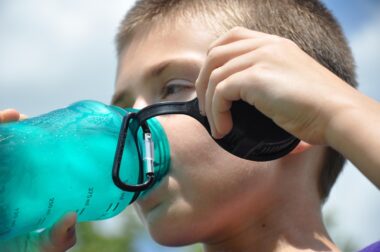
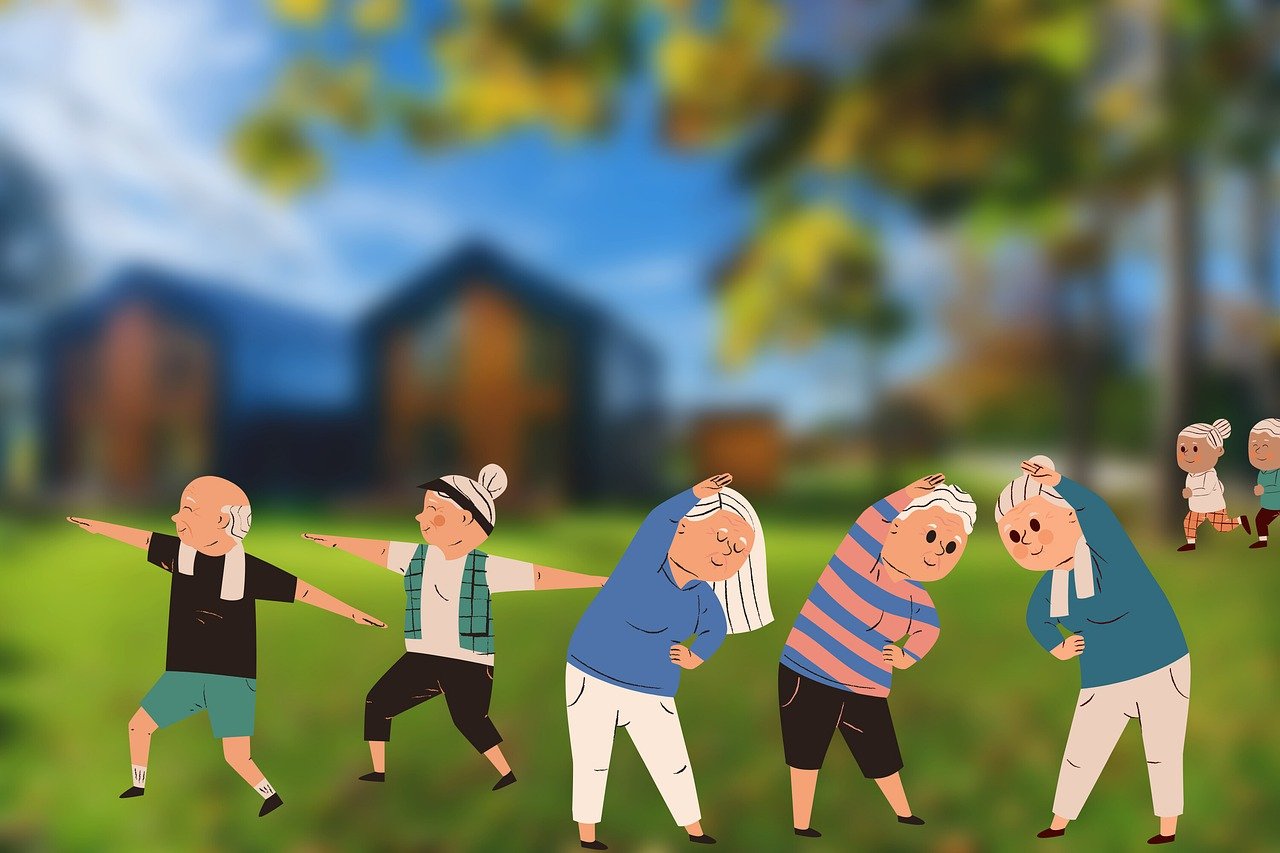
Seniors participating in group exercise classes are at a wonderful advantage for socialization and health improvement. However, certain safety considerations must always be prioritized first. Instructors should ensure that classes accommodate varying fitness levels and medical conditions. Personalizing exercise routines can minimize injury risks and ensure safety during workouts.Instructors can assess participants’ fitness levels before classes begin. They can adapt various activities for different abilities using modifications. A well-structured warm-up is essential to increase circulation and prepare muscles. Hydration breaks should be integrated into class routines to minimize dehydration risks. A well-hydrated class is more alert and less prone to accidents. These steps help ensure that everyone feels comfortable and remains injury-free during workouts. Additionally, communication is key; instructors should continuously encourage feedback from participants. This feedback should help modify exercises further, ensuring that each person feels safe while making their workout enjoyable and effective. Safety in group settings requires educators to draw on their training and experience, incorporating fun while keeping health and wellness as priority components for every individual in the session.
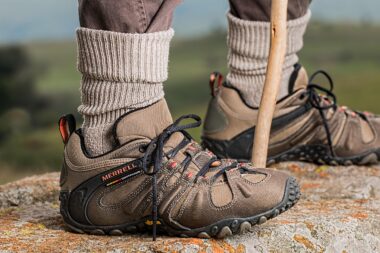
Proper footwear is vital for seniors engaged in group exercise programs. Well-fitted shoes designed for the specific type of exercise being performed provide the necessary support and cushioning. This helps to reduce the risk of falls and injuries. Instructors should recommend that participants invest in high-quality fitness shoes. Shoes should be replaced when they show excessive wear or damage which can compromise stability. The class environment should also be evaluated for trip hazards. Clear pathways, non-slip surfaces, and well-lit spaces reduce chances of accidents. Finally, instructors should encourage seniors to listen to their bodies during exercises. If a participant feels discomfort or pain, they should feel empowered to modify or stop. Furthermore, instructors may need to teach proper techniques for executing exercises to avoid strain on vulnerable joints. In every session, being aware of one’s body limits and capabilities helps mitigate injury risks. Instructors can enhance safety through a combination of appropriate environments, proper gear, and open lines of communication. By safeguarding their participants through these measures, they facilitate more enjoyable experiences during exercise sessions.
Environmental Safety for Group Exercise
Creating a safe environment for group exercise classes is essential for the well-being of seniors. Clear areas free from clutter can reduce risks associated with tripping and falling. It is essential to ensure adequate space for each participant during the activities. Proper spacing allows participants to move freely without colliding with others. Lighting in the facility must be bright enough to illuminate exercise areas. This prevents participants from misstepping. Ventilation systems should also be functioning well to provide a comfortable airflow, which is especially important during vigorous exercises. Additionally, monitor room temperature to keep participants comfortable. If it gets too hot or cold, it may impact their performance and motivation. During inclement weather, conducting classes indoors or in sheltered locations minimizes external risks. Instructors should be trained to respond to emergencies effectively. An emergency action plan should be developed, outlining steps to take during various scenarios. Communicating this plan ensures that all participants are aware of safety procedures. Emphasizing environmental safety sets a standard of care that encourages seniors to participate confidently.
Injury prevention strategies should be a core part of any group exercise instruction for seniors. Modifications to exercises and activities are essential to ensure safety. Instructors should be equipped with knowledge of how to adapt exercises based on individual fitness levels. Regularly assessing participants allows instructors to provide immediate feedback on their form and technique. Furthermore, integrating restorative and flexibility exercises promotes injury prevention. Stretching before and after classes should be a standard practice, aiding recovery and enhancing flexibility. Instructors can show participants how to elevate their heart rates safely through proper techniques. Teaching seniors about their body’s signals can positively impact their mental perception of exercise. Regular discussions about expectations and responses to physical activities foster understanding. Practicing preventive measures creates an effective routine that seniors can incorporate into their classes. Participants should become aware of changes in their bodies during the classes and heed warning signs. Ultimately, building awareness for injury prevention will help seniors maintain their fitness levels and overall well-being.
Understanding Equipment Usage
The correct use of equipment is vital for maintaining safety in group exercise classes. Instructors must demonstrate how each piece of equipment is to be used effectively. It should underscore proper form to minimize injury risks. Hands-on, practical guidance ensures seniors feel confident in using tools, such as weights, resistance bands, or stability balls. Class-room setup should allow adequate space for seniors to maneuver safely around equipment during activities. Instructors should regularly inspect equipment for wear and tear. This reduces the chances of malfunction and promotes safety. If an item is compromised, suspend its use until repairs or replacements are through. Additionally, promoting teamwork among participants can enhance group dynamics. Encouraging seniors to work together on exercises or stretches builds trust and provides a sense of community. This supportive atmosphere fosters emotional health, which is equally a part of overall well-being. Addressing equipment usage and teamwork creates well-rounded classes that focus on physical safety while enhancing social connections among seniors. Well-structured classes will lead to positive and enriching exercise experiences.
Finally, ensuring open communication within group exercise classes is essential for health and safety among seniors. Participants should feel comfortable discussing any challenges or concerns during the session. Instructors must foster an environment where questions or feedback are welcome. By promoting dialogue, attendees can express their physical limitations or health issues without hesitation. Discussions regarding new exercises or techniques can also enhance understanding. Additionally, it is essential to review any medical conditions that may impact performance. Informing instructors about these conditions can guide exercise modifications accordingly. Encouraging seniors to voice their opinions helps create a supportive atmosphere. This open communication positively influences class dynamics and fosters respect among participants. Celebrating successes within the group can further build connection and motivation. Instructors should share and highlight individual progress, making every attendee feel valued and celebrated. Moreover, acknowledging achievements can motivate seniors to participate more actively. A supportive and open environment creates a pathway for seniors to prioritize health and wellness while enjoying the camaraderie of group exercise.
Conclusion
In conclusion, safety considerations are paramount in group exercise classes for seniors. It ensures participants’ well-being, encourages active engagement, and fosters a supportive atmosphere. Instructors must prioritize the integration of safety best practices. This includes personalized exercise modifications, injury prevention strategies, environmental considerations, and open communication. Establishing a safe space allows seniors to thrive physically and emotionally within their group activities. Education also plays a vital role in promoting exercise safety. Instructors should continuously educate themselves about the unique needs and challenges seniors face. By doing so, they can create a workout experience that is not only safe but also enjoyable. Continued assessment of participants, adapting programs, and encouraging feedback enables classes to evolve with their members. Celebrating achievements, fostering community connections, and prioritizing communication allows seniors to enjoy exercise classes fully. With a deep commitment to safety and well-being, seniors can experience improved health, socialization, and overall quality of life as they engage in group exercise classes.
In the realm of fitness, older adults retain unique needs that require consideration. A senior fitness approach emphasizes tailored solutions to encourage safety and well-being in exercise classes. Instructors must plan fitness sessions that are structured to address the physical, emotional, and psychological challenges faced during activities. By recognizing the necessity for gradual progression, instructors create a more accessible pathway for seniors engaging in physical activities. Additionally, highlighting the importance of education empowers seniors and enables them to take charge of their wellness. Whenever possible, providing resources about senior fitness and health topics is beneficial. For instance, including educational tidbits in class schedules can highlight essential subjects, such as nutrition, strength training, and flexibility. Encouraging seniors to participate in wellness workshops can enhance their understanding and confidence in exercise. By offering support with health literacy, instructors can positively influence the overall experience for seniors, leading to reduced injury rates and improved fitness outcomes. Understanding individual differences among participants promotes respectful interactions, enhancing the social aspect of fitness. Ultimately, creating an inclusive environment will motivate seniors to engage more eagerly in their wellness journeys.