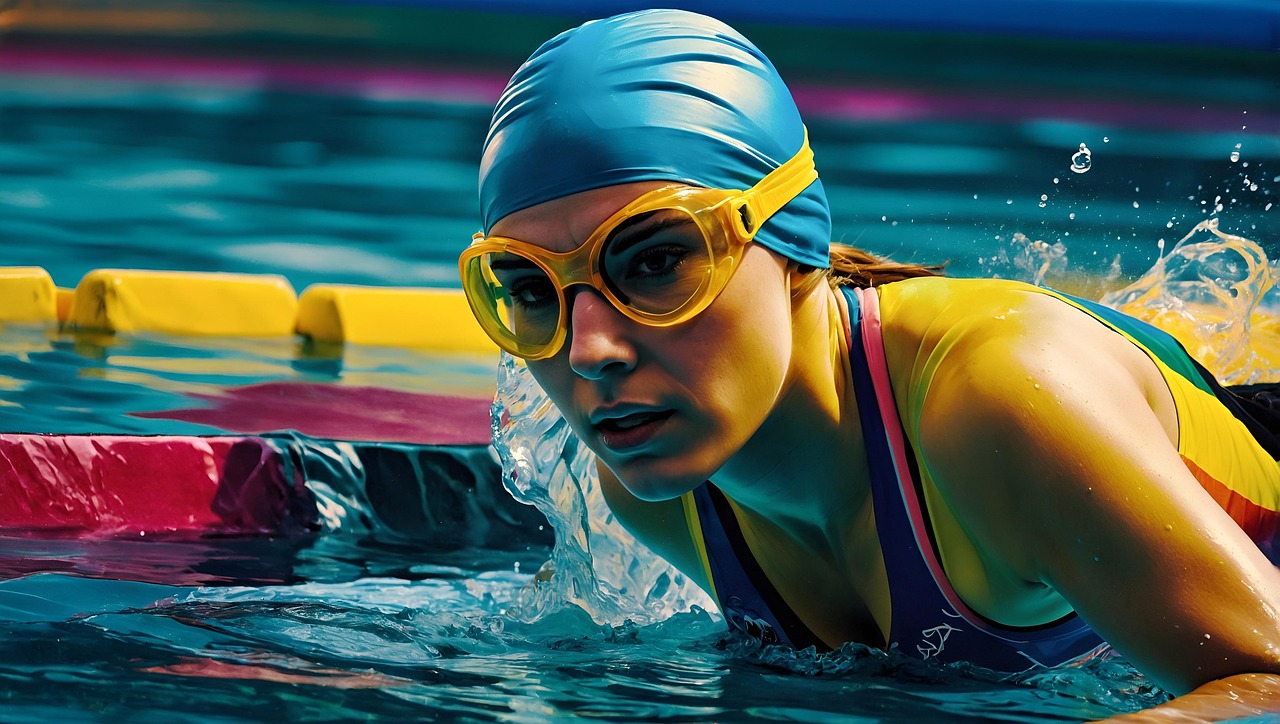

Daily Water Intake for Competitive Swimmers: Staying Hydrated in the Pool
Staying hydrated is crucial for competitive swimmers as they maintain rigorous training schedules. Proper hydration not only enhances performance but also prevents dehydration. The amount of water a swimmer needs depends on various factors, including temperature, workout intensity, and individual physiology. Generally, a well-hydrated athlete maintains optimal cardiovascular function and temperature regulation, which are paramount in high-performance sports like swimming. Furthermore, it’s essential to recognize that dehydration can impair strength, speed, and coordination. Consulting with trainers or nutritionists can help establish tailored hydration strategies. Swimmers typically require increased fluid intake due to the environment in which they practice. Often, they focus less on thirst cues because they’re surrounded by water. Moreover, swimmers should develop routines that include drinking fluids before, during, and after training sessions to ensure they meet their daily water intake goals. Establishing these habits early can lead to better overall performance during competitions. Ultimately, understanding individual needs and monitoring hydration can lead to sustained success in competitive swimming.
The Daily Water Intake Recommendations for swimmers can vary widely based on age, gender, and physical condition. Swimmers should aim for about 2.5 to 3.5 liters of water daily, but this may be altered according to personal requirements or the climate during training. A good rule of thumb is to ensure that urine remains light yellow, indicating adequate hydration levels. Additionally, consuming water-rich foods, such as fruits and vegetables, can also contribute to overall fluid intake. Foods like watermelon, oranges, and cucumbers provide natural hydration, making them excellent choices for swimmers. Always remember that factors such as high-intensity training, heat, and humidity can increase required hydration levels significantly. Swimmers should also consider their sweating patterns, as they can lose substantial amounts of fluid during workouts. Tracking hydration levels can be beneficial; through monitoring tools or apps, swimmers can better manage their fluid intake. It’s essential to remind themselves not just to drink water but to make it a daily habit, integrating hydration into their routines effectively.
Signs of Dehydration in Swimmers
Recognizing signs of dehydration is vital for maintaining performance levels in swimming. Swimmers should be vigilant about changes in their bodies that can indicate fluid deficiency. Common signs include unusual thirst, dry mouth, fatigue, and decreased performance. Notably, dizziness and lightheadedness during training can also signal severe dehydration. Additionally, muscle cramps can result from inadequate hydration, negatively impacting swim efficiency. Swimmers should also note changes in their urine color; darker urine suggests dehydration, while light yellow indicates proper hydration. Monitoring heart rates during workouts can also provide insights into hydration status; a higher than normal rate may suggest dehydration. To combat these issues, swimmers need to adopt preemptive hydration strategies. Regularly consuming water throughout the day, not just during training, is essential. For enhanced hydration, adding electrolytes to water may promote better fluid absorption and retention. Overall, understanding the symptoms and maintaining proper hydration practices can significantly enhance performance and ensure athletes perform at their best. Staying aware of these signs can prevent dehydration effectively.
The environment plays a significant role in how much water competitive swimmers should drink. Temperature and humidity can influence sweat rates considerably, necessitating precise hydration strategies. For example, swimmers practicing in warm indoor pools may lose fluid rapidly due to increased sweat. On the other hand, cooler environments may mask the need for hydration, making it critical to remain alert. Swimmers often underestimate their fluid needs, leading to inadequate intake. Hence, maintaining a hydration diary can be a useful tool. By tracking water intake quantitatively over time, they can optimize their hydration strategies. Additionally, understanding how different training volumes may impact needs is integral. Different swimming styles also tend to require various hydration approaches; for instance, distance swimmers may need more fluid than sprinters. Most importantly, elite swimmers should be in constant communication with their coaches about hydration practices, ensuring they fulfill their specific needs at all times. Continuous education on hydration science can improve awareness. As the importance of staying hydrated becomes more recognized, implementing these strategies can lead to better competitive performance in the swimming pool.
Hydration and Nutrition Balance
Hydration and nutrition go hand in hand, particularly for competitive swimmers aiming to improve performance. Carbohydrates play a crucial role in energy production, especially during intense swim sessions. Swimmers must ensure they’re not only hydrating but also consuming adequate nutrition to fuel their bodies correctly. This balance can be achieved through meals rich in whole grains, fruits, and lean proteins. Swimmers should aim to consume a well-rounded diet, integrating lots of whole foods for maintaining energy levels. Timing of nutrient intake also matters; energy-dense foods should be consumed before and after workouts to replenish drained stores. Creatively incorporating nutrient-dense snacks can maintain energy levels during long training sessions. Furthermore, post-training hydration should incorporate electrolytes as well, aiding recovery. Opting for natural sources of electrolytes, such as coconut water or electrolyte-enhanced drinks, can facilitate maintaining a healthy balance. Competitive swimmers could explore various fluid options to find what best supports their hydration needs, enriching both performance and recovery. Establishing a rhythm that includes both hydration and nutrition can greatly enhance overall athletic output.
Additionally, swimmers need to discover the best hydration practices that suit their training and competitive environments. Experimenting with different drinks, such as specialized sports drinks, can help identify what flavors work best for personal preferences. Engaging with a nutritionist or sports dietitian can further enhance understanding of what fluids replace lost electrolytes effectively. Personalized hydration strategies, including favorite flavors and timings, contribute to consistency in intake. Regular reminders to drink during practice, especially when time seems short, can help reinforce these habits. Additionally, carrying a reusable water bottle during training sessions encourages consistent fluid intake. Repetition creates habits; thus, swimmers should find a strategy aligning with their lifestyles. Some swimmers might prefer set times to drink, while others enjoy sipping throughout the session. It may be helpful to eat lighter meals before practice to create less discomfort while swimming, addressing both dietary and hydration needs simultaneously. Ultimately, these tailored practices can maintain good hydration levels, enhance training effectiveness, and improve overall performance during competitions.
Conclusion: Making Hydration a Priority
In conclusion, staying properly hydrated is not merely an afterthought for competitive swimmers; it is a priority that plays a crucial role in overall athletic performance. By understanding personal hydration needs, swimmers can effectively optimize their intake for both daily training and competition days. Monitoring signs of dehydration can provide insights that make a significant difference in performance quality. Moreover, developing customized hydration and nutrition strategies allows swimmers to prepare effectively for each session. By prioritizing hydration through daily practices and strategic planning, competitive swimmers can maintain peak performance levels and die hard dedication become habitual. Choose high-water-content foods and balance with liquids throughout the day; make hydration a lifestyle choice. Encourage teammates to engage in similar hydration practices; fostering a culture of hydration promotes wellness in the entire team. The ultimate goal is to create an environment that values hydration as much as skill development. Ultimately, ensuring adequate hydration not only benefits individual swimmers but also contributes to overall team success. Above all, maintaining awareness of hydration needs represents a vital aspect of excelling in competitive swimming.
The importance of hydration should never be underestimated, as adopting effective strategies can lead to exceptional results in swimming competitions. Swimmers should remember that every drop counts, and making hydration part of their daily regimen will yield benefits. As competitive athletes, their success hinges on maintaining optimal fluid balance. Hydration is the foundation upon which peak performance is built, empowering swimmers to push their limits and achieve their goals. In implementing these practices, swimmers can not only enhance their individual performance but also inspire others to prioritize hydration as well.