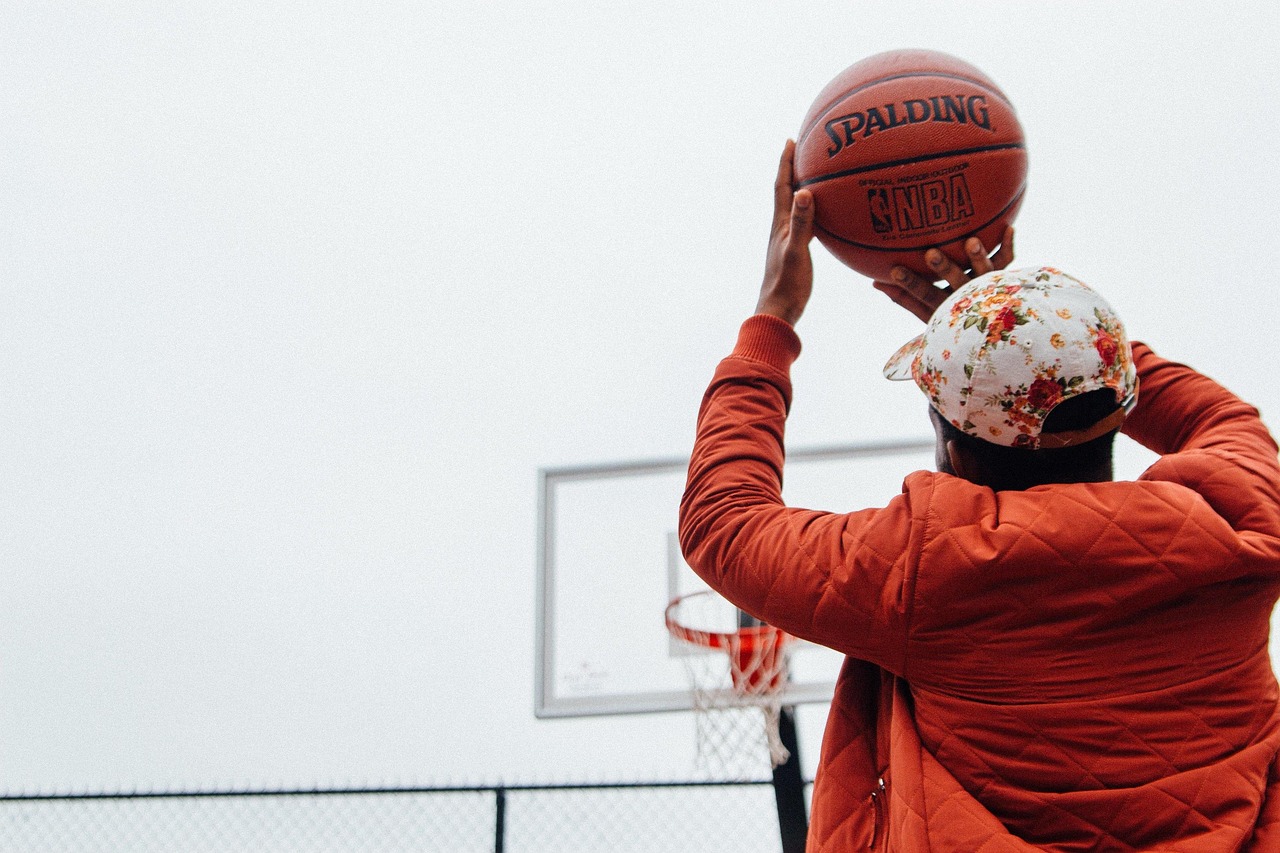

How to Shoot Accurately from Different Angles on the Court
Basketball shooting is not just about having a good form; it’s about understanding angles and how they influence shooting accuracy. When working on shooting techniques, players should practice shots from various locations on the court. It helps in developing muscle memory and allows players to adapt during actual games. Whether you’re shooting from the corner, the wing, or the top of the key, each position requires knowledge of angles. Understanding how to align your body, feet, and shooting hand plays a pivotal role. Additionally, players must focus on their follow-through, ensuring that each shot is released at the basket’s peak. To assist in training, players might consider viewing instructional videos or utilizing drill sessions focusing on specific angles. Overall, practicing from multiple spots will bring versatility in games. Whether you are finishing a layup or shooting from beyond the arc, accuracy mainly comes from repeatable techniques and disciplined practice routines. Consistent drills enhance shooting capabilities significantly, allowing players to excel in various game situations. Experimenting with different shooting angles will enable players to become more adaptable and effective on the court, thereby elevating their overall game performance.
Understanding the Importance of Shooting Mechanics
Shooting mechanics are crucial for making accurate shots. Players must focus on their stance, grip, and follow-through to assure consistent results. A proper stance allows for balance, while a good grip ensures the ball is released correctly. Body alignment is imperative, keeping the feet shoulder-width apart and knees slightly bent. As you shoot, aim to keep your shooting elbow aligned with the basket. Follow-through mechanics also accentuate accuracy immensely. It involves extending your arm towards the hoop while maintaining your wrist relaxed, letting the ball roll off your fingertips smoothly. Incorporating drills that concentrate on these mechanics will significantly benefit any player’s shooting ability. Furthermore, developing a personal shooting routine can help establish a rhythm before taking shots. Mechanics should also include a focus on breath control; players should inhale as they gather the ball and exhale while shooting. This practice reduces anxiety during high-pressure moments. A strong correlation exists between sound mechanics and successful shooting outcomes, as they can directly impact game performance. Committing to continual improvement and fine-tuning your mechanics will prove invaluable to elevating your basketball shooting skills.
To enhance shooting proficiency, players need to familiarize themselves with different types of shots: jump shots, layups, and three-pointers. First, a jump shot is the most fundamental approach, requiring fluid body movement to achieve elevation and release at optimal height. Practice shooting off the dribble to cultivate your ability to make shots under pressure. Layups involve driving to the basket and utilizing the backboard for efficient scoring. Concentrate on foot placement to accelerate towards the basket as you perform your layup. Three-point shots require strong shooting mechanics, especially when shooting from long distances. Players must learn to gauge their shooting range during gameplay accurately. This can be accomplished by understanding their shooting arc and release point. Devoting practice hours to each shot type allows for better proficiency and confidence. Vary shot selections during practice to simulate actual game conditions. Committing to mastering each shot type empowers players to become all-around scorers. In turn, this versatility challenges defenses, creating opportunities for teammates as well. Balance is key to keeping defenders guessing and ensures an open shot or successful drive when necessary.
Drills for Shooting from Different Angles
Practicing drills that target shooting from various angles is essential for players aiming to elevate their shooting skills. One highly effective drill involves shooting from the corners, using markers to define optimal foot positions. This drill includes taking several shots from each corner, refining necessary shots from seventy-five degrees and other positions. Similarly, the wing paces allow players to practice shooting while simulating game situations. During this drill, players can work on catch-and-shoot scenarios or stepping back for a three-point shot, depending on coach feedback. Furthermore, the ‘Mikan Drill’ focuses on shooting layups from different angles, reinforcing footwork control and finishing ability. This drill enhances skills required near the basket by alternating between left and right sides. Players should always consider game situations while practicing these drills, emphasizing efficient decision-making under pressure. Remember, surrounding yourself with teammates to take on defensive role during these drills will significantly improve the quality of practice. Incorporating shooting drills into your regimen will foster growth and progress in various skill sets, while also keeping practice engaging and fun. Strengthening shooting angles will expand your game intelligence, facilitating stronger offensive contributions.
Simulating game-like pressure is another potent approach to developing shooting techniques. Players can set limits on time and successful shot made to replicate stress conditions faced during actual games. Implementing this approach during scrimmages can also provide real-world exposure to shooting scenarios. Players should strive to decipher how to maintain composure while executing shots that may not be in their comfort zones. Practicing shooting with defenders plays a pivotal role in enhancing confidence when taking shots under duress. It’s essential to consistently reflect on performance after each practice session to identify areas for improvement. Debriefing with teammates or coaches can provide constructive feedback on shooting habits. Learning from both successful and unsuccessful attempts develops a better understanding of self-development opportunities. This insight guides players towards making adjustments in their training. Furthermore, capturing shooting sessions on video allows players to analyze techniques effectively. Video playback enables a clearer understanding of movements and adjustments needed. Ultimately, the pairing of practice and performance evaluation leads to meaningful growth and progress adaptations.
The Mental Aspect of Shooting
The mental aspect of shooting should not be underestimated in basketball strategy. Developing a strong mindset helps athletes boost confidence, enabling them to take important shots in pressure situations. Visualization techniques can help mentally prepare for various shooting scenarios. Players should regularly envision successful shots, focusing on the mechanics needed for accurate releases. When a shooter feels confident, they improve their chances of making baskets significantly. Additionally, remaining calm during high-pressure situations allows players to maintain focus. Creating a positive self-talk environment increases mental clarity, which helps players during key moments in games. Also, breathing techniques play a role in inducing relaxation, providing players with calm during tense moments. Practicing positive affirmations can build a resilient mental outlook. Furthermore, mindfulness meditation can enhance shooting performance by sharpening concentration. Practicing these techniques while executing shots in various angles bolsters confidence as they provide necessary mental tools. The intersection of mental strength and shooting technique will produce remarkable results on the court. Ultimately, achieving a balance between physical skills and mental fortitude results in overall improved performance. Fostering a well-rounded approach to shooting translates to success on the basketball court.
Coaching and mentorship can play vital roles in mastering shooting techniques. Experienced coaches can provide guidance tailored to each player’s unique strengths and weaknesses. Observing skilled shooters in practice environments can yield additional insights into various shooting styles. Coaches facilitate understanding through visual demonstrations and constructive feedback that enhances learning capabilities. Furthermore, seeking out feedback from peers can also be beneficial. Engaging in discussions about shooting techniques can reveal new perspectives while strengthening teammates’ bonds. What’s equally important is to foster a supportive atmosphere that embraces learning and growth as athletes work toward improvement. As players dedicate themselves to out-of-the-box shooting training, they can improve specific angles they previously struggled with. By utilizing the available resources such as coaching, mentorship, and peer support, players can succeed while honing their abilities. Continuous improvement should be embraced as an essential tenet in basketball. The journey to becoming an exceptional shooter stems from a perennial commitment to honing one’s skills. By amalgamating individual passion with guidance from informed experiences, aspiring shooters will forge a path toward success. This collective effort not only hones individual talent but helps cultivate a thriving basketball community.
Finally, players must consistently assess and adjust their shooting strategies based on game performance. Analyzing shooting statistics can provide insight into successful shot types and areas needing improvement. Taking time to evaluate these statistics nurtures accountability, promoting better shot selection during games. Players should prioritize developing strong shooting fundamentals, implementing these techniques systematically based on past experiences. Establishing a routine that includes warmth up followed by targeted shooting drills enhances overall execution. It is also essential to focus on cross-training; developing other basketball aspects, such as ball-handling or defense, complements shooting skills. Engaging in conditioning programs that boost agility and strength can further support improved performance. Using this holistic approach creates well-rounded athletes capable of facing various court challenges. Finally, diversifying your practice by exploring new shooting drills keeps the experience fun and engaging, further motivating continuous improvement. Regularly pushing oneself and setting goals will nurture growth milestones. Players should embrace feedback and remain open to learning new methods for mastering shooting techniques. This perpetual drive for excellence distinguishes top athletes while helping maintain enthusiasm for basketball. An unwavering commitment to strategic adjustments will certainly increase shooting accuracy and contribute to overall team success.