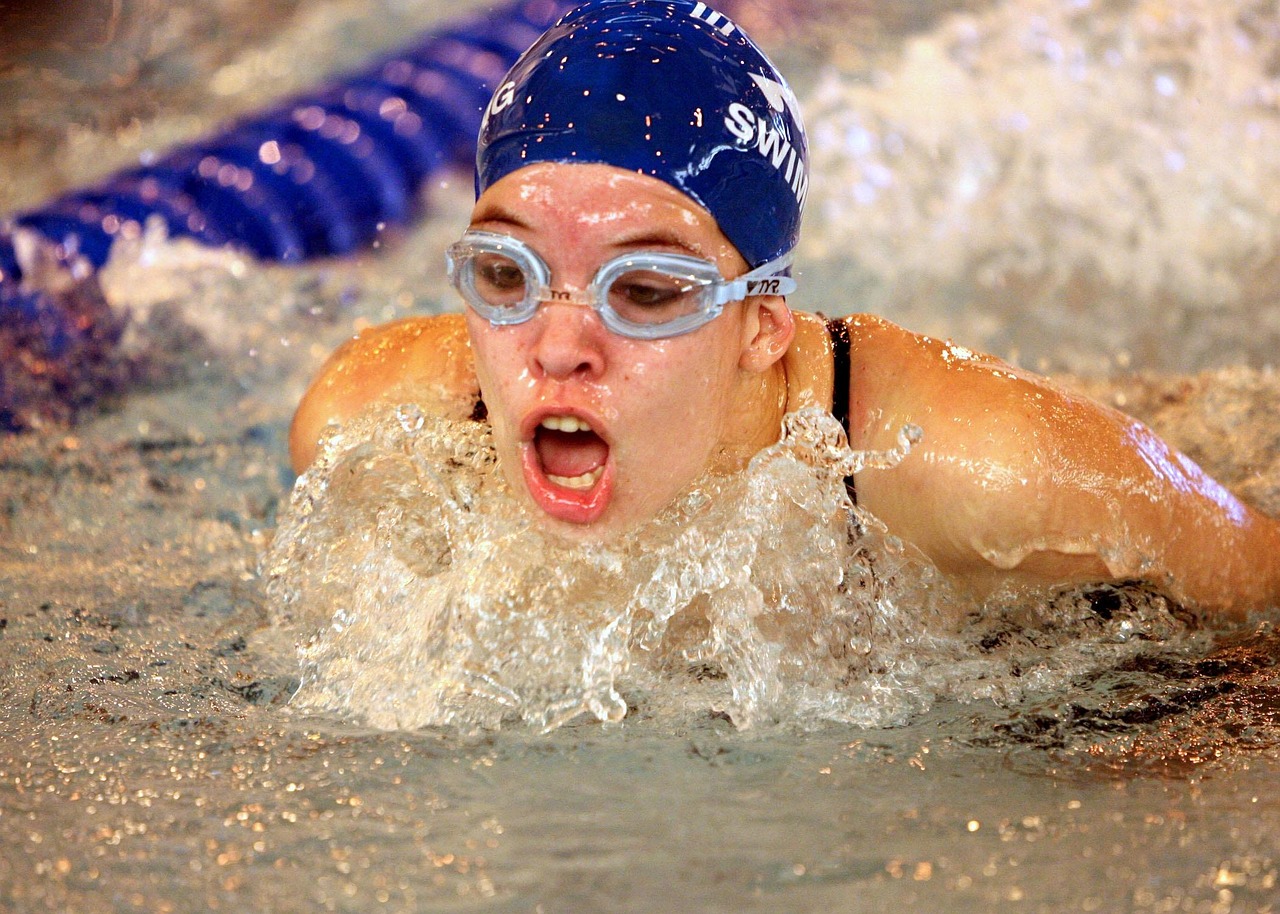

The Benefits of Cross-Training for Competitive Swimmers
Cross-training has emerged as a popular strategy among competitive swimmers looking to enhance their performance and overall fitness. This approach involves incorporating various forms of exercise beyond swimming into a training regimen. One of the primary advantages of cross-training is its ability to prevent injuries. Swimming predominantly engages specific muscle groups, which can lead to overuse injuries if not managed properly. By participating in activities such as cycling, running, or strength training, swimmers can effectively strengthen different muscle groups and improve their overall body balance. This variety in training keeps workouts engaging while minimizing the risk of injury caused by repetitive swimming patterns.
Another significant benefit of cross-training is improved cardiovascular endurance. Competitive swimmers must maintain a high level of cardiovascular fitness to support their swimming performance, especially during intense training and competition. Engaging in aerobic activities, like running or rowing, can boost cardiovascular capacity and provide essential stamina. Furthermore, diversifying workouts positively influences motivation and mental strength, which are crucial factors in a swimmer’s journey. Experiencing different training environments, pacing strategies, and physical challenges can sharpen mental resilience, allowing swimmers to perform better in stressful situations. Besides, mental freshness helps fend off burnout, keeping athletes passionate about their sport.
Variety in Training
Cross-training allows swimmers to introduce variety into their workouts, keeping training exciting and enjoyable. This appeal is vital in sustaining commitment over a lengthy competitive season. Participating in different activities does not only enhance physical performance but allows swimmers to develop new skills that complement their swimming. For instance, practices like yoga or Pilates can improve flexibility, balance, and core strength, which are critical components for efficient swimming technique and stroke efficiency. Increased performance in these areas will translate into better swim times and overall efficiency in the water.
Building functional strength is another essential aspect of cross-training. Competitive swimming demands significant upper and lower body strength, which can be enhanced through weight training sessions or bodyweight resistance exercises. Incorporating strength training workouts fosters muscle growth and endurance, allowing swimmers to move more effectively during races. Moreover, strengthening target areas like the core and stabilizing muscles contributes to enhanced swimming posture and technique. Improved body alignment minimizes drag in the water, ultimately leading to more significant speed and efficiency when competing at higher levels.
Enhancing Recovery
Effective recovery plays a crucial role in the overall success of competitive swimmers, and cross-training can greatly aid this process. Activities such as cycling or low-impact aerobics promote blood circulation and help flush out lactic acid, reducing the risk of soreness and injury post-training. Additionally, engaging in aerobic exercise enhances recovery time between workout sessions, allowing swimmers to train harder and achieve better results in the long term. The incorporation of low-intensity activities ensures that swimmers remain active while allowing their primary swimming muscle groups to recover. This is critical for ongoing performance improvements.
Building team spirit is another benefit of cross-training. Swimmers often train in isolation, particularly during specific swim drills or intervals. Group activities, like running or rowing, foster camaraderie among teammates and enhance team cohesion. This bonding contributes positively to overall morale, fueling each swimmer’s desire to push their limits and reach their goals together. The shared experiences in different environments create a sense of unity and support within the team. When teammates work together, they not only hold each other accountable but also share valuable training insights, fostering a culture of continuous improvement.
Long-term Performance Gains
Lastly, one of the significant advantages of cross-training for competitive swimmers is the potential for long-term performance gains. By diversifying their training, swimmers can create a more robust and well-rounded athletic profile, preparing them for the demands of the sport throughout their careers. With the correct mix of strength, endurance, and skill-building activities, swimmers will experience enhanced overall performance and extend their competitive years. This comprehensive approach to training positions athletes to tackle challenges more effectively and excel in competitions, illustrating that balance and diversity in training can lead to remarkable achievements in swimming.
As competitive swimming continues to evolve, integrating cross-training into established routines becomes increasingly essential. To fully reap the benefits of cross-training, athletes should design a holistic training program that encompasses various activities tailored to their unique strengths and weaknesses. Moreover, careful planning ensures that each workout aligns with specific racing goals and the cyclical nature of training schedules. Ideally, swimmers should work closely with coaches and trainers to create a balanced mix of swimming and cross-training sessions for optimal performance. With the right strategy and mindset, the advantages of cross-training will undoubtedly reflect in the successes of competitive swimmers.