
Comparing Different Parkour Landing Styles and Their Benefits
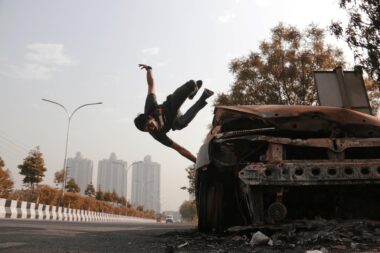
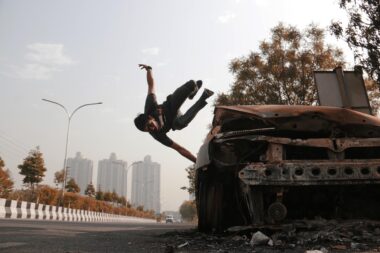
Parkour, an art of movement that emphasizes navigating urban obstacles, incorporates various landing techniques essential for safety and performance. Understanding these techniques can substantially enhance a practitioner’s skill set and minimize injury risk. One commonly used landing style is the roll, which disperses impact and protects the joints. When executed correctly, a roll reacts to the fall’s energy, allowing for a smooth transition into further movements. Another technique, the precision landing, demands precise foot placement to conquer narrow surfaces. This skill not only showcases agility but reinforces balance and body control. Lastly, the two-foot landing style provides stability often used when descending from heights or obstacles. Altogether, these landing styles significantly augment a traceur’s ability to maneuver their environment effectively and safely. As practitioners develop their skills, mastering these techniques enables them to participate more adventurously in parkour sessions, as it inspires confidence in their movement capabilities. Additionally, understanding each method’s nuances is crucial for determining when to deploy them based on the surrounding terrain, speed, and height of the jump performed.
In the parkour world, one crucial aspect that often goes overlooked is the actual application of different landing techniques during training sessions. A proper understanding of how and when to utilize these landings ultimately determines the practitioner’s ability to perform moves confidently. Effective landings start with proper technique, and the beginning is rooted in fundamental training. Focus on body awareness, control of movement, and strength, which are integral to executing landings successfully. Training should incorporate drills that emphasize each landing style, allowing for the development of muscle memory. Incorporating progressive techniques will also help mitigate injury risks. Practitioners also benefit from watching videos and analyzing experienced traceurs perform various landing styles. Observational learning allows them to recognize key movements and adapt their technique accordingly. Additionally, learning from experienced trainers can provide personalized feedback that enhances understanding. It’s vital, therefore, for every traceur to seek quality training. Consistent practice, self-correction, and constructive critique will foster growth and reinforce good habits. This cultivation of skills leads to more daring practices and progression, expanding each individual’s parkour journey.
The Importance of Body Alignment
Maintaining proper body alignment is fundamental during landings in parkour. Correct alignment ensures that the impact absorbed by the body is evenly distributed, significantly reducing injury risks, such as sprained ankles or knee injuries. When landing, a traceur should aim to have their feet shoulder-width apart, with knees slightly bent, while keeping the body leaning forward. This position allows for a quick reaction to uneven surfaces and prepares practitioners to transition into a roll or subsequent movements. Additionally, practicing correct alignment strengthens core muscles and enhances overall balance. Many athletes often overlook this aspect, focusing solely on the jump height or distance rather than the landing mechanics. Failing to pay attention to body alignment can lead to dangerous falls or ineffective landings. As practitioners become aware of their body’s positioning during landings, they inevitably boost their confidence and overall skill level. They will find it easier to navigate complex environments, which allows for more ambitious situations. This acquired skill is not merely physical; it is also mental, as developing better awareness fosters smoother experiences during training and performance.
The psychological component of mastering landing techniques shouldn’t be underestimated either. Increasing mental assurance during landings plays a significant role in an athlete’s overall performance. Learning to believe in one’s ability to execute perfect landings reduces the systemic fear of falling. This fear often leads to hesitancy, which can result in improper technique and, consequently, injuries. Traceurs should focus on their mental approach, employing visualization techniques to rehearse successful landings repeatedly. Strengthening the mental connection to physical execution encourages positive reinforcement. Furthermore, set attainable goals on landing practice; achievement can boost self-esteem and courage, encouraging deeper exploration of various styles. Integrating deep breathing techniques before attempting new landings can alleviate anxiety and promote optimal performance conditions. If confronting new heights or distances feels daunting, break the learning phases into manageable steps to build confidence gradually. Each successful landing contributes to a practitioner’s growth, creating a solid foundation for both techniques and mental stability. Combined, these factors propel traceurs toward higher success rates, ultimately enhancing enjoyment and meeting personal ambition.
Final Thoughts on Progression
As one can observe, mastering landing techniques in parkour is crucial for progressing within the discipline. For beginners, starting with a solid foundation in each landing style will pave the way for further aerial maneuvers and jumps. Advanced practitioners must remain committed to refining their existing skills while exploring new styles. This ongoing commitment encourages constant learning and adaptation. Parkour is an evolving practice where practitioners must be ready to face unique challenges. Unique terrain, heights, or urban obstacles may require varying techniques; remaining adaptable ensures safety and effectiveness. Furthermore, regularly participating in parkour communities promotes not only skill progression but also a shared learning environment. Collaborative engagement with other athletes fosters creativity in approaches and inspires new ideas. In conclusion, as you improve your landing techniques, ensure you not only focus on physical execution but also on mental strategies. Striking this balance will enrich your training experience, ultimately elevating your parkour journey. These combined efforts are what truly define every aspiring traceur, a testament to resilience and continuous development.
In summary, the diverse parkour landing techniques serve essential functions in improving a traceur’s performance and safety. The roll allows for energy absorption, while precision landings enhance direct control over balance, and the two-foot landing ensures stability during descents. Each style presents unique advantages, which ultimately contribute to the overall proficiency of a parkour practitioner. It’s important to practice consistently, and focus on developing muscle memory for these techniques. Moreover, understanding the underlying strategies significantly enhances an individual’s capabilities by providing a greater awareness of their body. As each practitioner embraces their learning journey through these landing styles, the outcomes become increasingly positive. Safety in landings is paramount, and applying the right technique can mitigate the risk of injury. Additionally, they should encourage themselves to explore the boundaries of their abilities, leading them to discover new potential within the sport. Ultimately, the connection between successful landings and personal progression fosters a culture of exploration, growth, and adventure. Incorporating these strategies into your training will undoubtedly empower your passion for parkour, illustrating the journey of mastery for every enthusiastic traceur.
As a final takeaway, remember to be patient with your progress as mastering parkour landing techniques is a continuous journey. Each individual learns at their own pace, and it’s essential to find what works best for you. Cherish each small victory you achieve during your practice sessions, as they contribute significantly to your development. Never underestimate the potential for advancement through technique mastery, as it paves the way for exciting new maneuvers. Additionally, visualizing your desired movements in tandem with physical practice is incredibly valuable; this aids in reinforcing the right approach to landing techniques. Whether practicing solo or with a team, sharing experiences fosters encouragement and camaraderie, making for a more enjoyable learning environment. Set aside time to reflect on what you have learned regularly, as self-assessment is vital for genuine progression. Understand that every master was once a beginner. Your journey through parkour will transform you, both physically and mentally, instilling qualities such as resilience, versatility, and determination. With persistence and dedication, extraordinary achievements await in your parkour adventure.