
Equipment Recommendations for Jump Serve Training
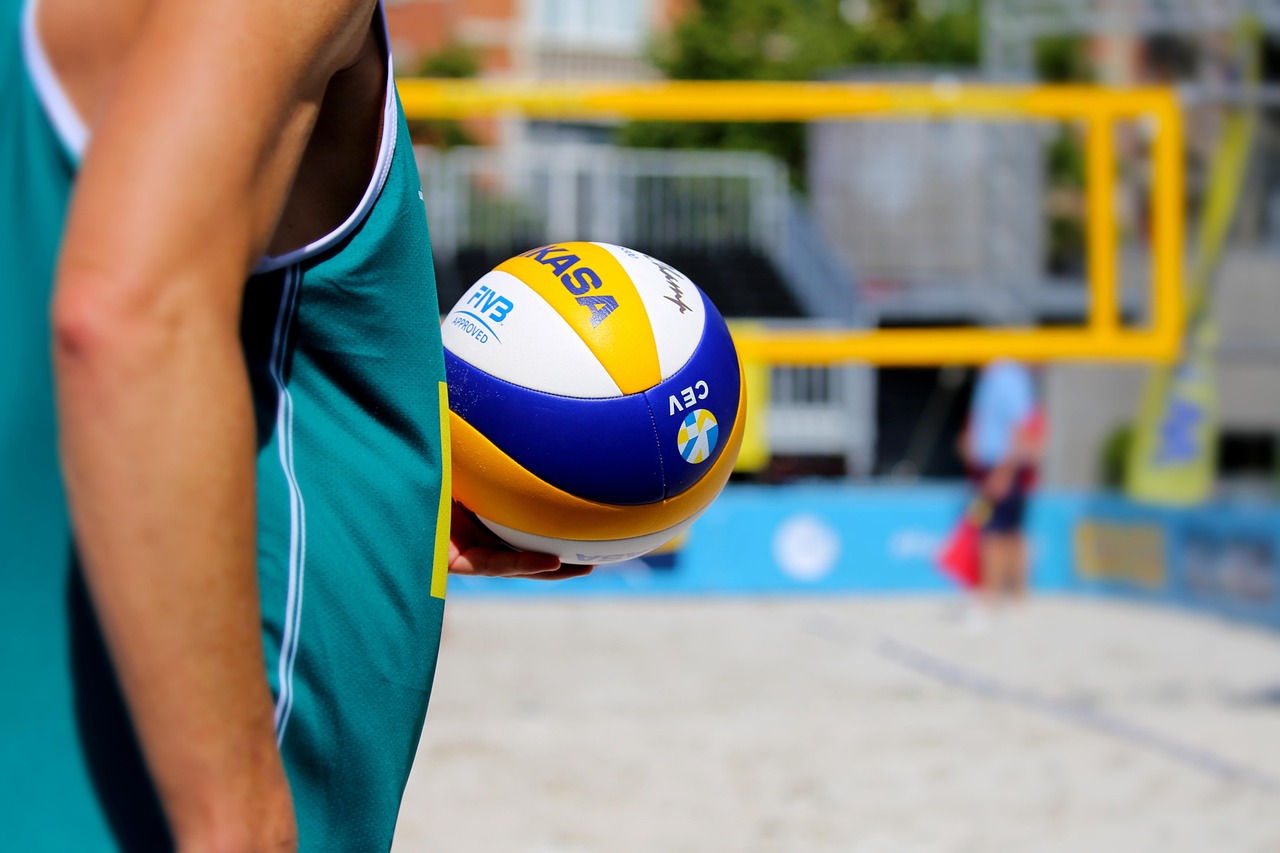
Jump serving in volleyball requires precise technique, proper timing, and the right equipment to enhance performance. The first crucial piece of equipment is the volleyball itself. Select a volleyball that suits your training needs, ideally one that is designed for official gameplay. The touch, weight, and material used for the ball can impact your serve’s effectiveness. Additionally, invest in a high-quality net system that can be easily adjusted for height. Having a good net allows for situational practice, replicating game scenarios. Adjustable nets enable players to practice at various heights, which is essential for developing the jump serve technique. Next, consider a speed ladder or agility cones. They are excellent tools for training footwork and agility, helping to develop quick, explosive movements. Lastly, a training partner can be invaluable for jump serve practice. They can feed balls while you focus on perfecting your jump and hit. Incorporating these recommended pieces into every training session will significantly improve overall performance in jump serving. Adequate equipment leads to better training outcomes and increased confidence on the court. Make the right investments for your volleyball training success.
To refine the jump serve technique effectively, utilize proper footwork drills along with your equipment. Footwork is the foundation of a powerful jump serve, and training aids such as resistance bands can enhance your lower body strength. They provide the necessary resistance during drills, which assists in building muscle for explosive jumping. Incorporating plyometric exercises into your routine will further bolster your jump serve capacity. Effective jumping techniques combined with a strong serve require robust upper body strength, so don’t overlook weight training. Many coaches recommend incorporating exercises that focus on the shoulders, arms, and core into your training regimen. Stability is also crucial for jump serving. Balancing drills on platforms or using Bosu balls can significantly improve stability and core strength. Don’t forget about stretching and mobility work before every training session. This averts injury and enhances performance. Regularly engage in dynamic stretches targeting the hips, shoulders, and back. The right balance of strength, stability, and flexibility will contribute to mastering the jump serve. Integrating these elements into your training plan will yield impressive results and build your overall volleyball skillset.
Another key element in jump serve training is utilizing technology to monitor progress and refine technique. Video analysis apps or tools can help athletes comprehensively assess their serve mechanics. Recording practice sessions and reviewing footage allows players to identify areas requiring improvement, making feedback immediate and actionable. Consider investing in wearable sensors or devices that track performance metrics. These devices can provide valuable data on jump height and power, enabling players to understand their strengths and weaknesses better. Pairing technology with effective drills enhances learning and skill acquisition. Additionally, training sessions should be deliberate and structured. Create a clear plan of what you want to achieve in each session, focusing on specific elements of the jump serve technique. Combine repetitive practices with situational drills to develop consistency in your serve. Keep a training journal to document improvements and track progress over time. Celebrating small achievements in your journal reinforces motivation and commitment toward overall goals. Remember that mastering the jump serve is a gradual process requiring focus, technology, and patience. Consistency in training is key to solidifying fundamental skills while integrating new strategies.
Creating a Supportive Training Environment
Creating a positive training environment is essential for effective jump serve practice. It can significantly impact motivation, performance, and confidence among players. Begin by ensuring that your training space is well lit, spacious, and equipped with all necessary equipment. Having access to quality nets, balls, and training accessories sets the stage for a productive training regimen. A supportive atmosphere with fellow athletes enables players to encourage one another and learn collaboratively. Setting up training pairs or small groups fosters communication and team spirit during practice. Additionally, consider choosing your training times wisely. Regular practices in well-scheduled sessions contribute to better time management and skill development. Consistency keeps everyone engaged and committed to improvement. Besides, when training with a coach, ensure they provide constructive feedback throughout the process. Positive reinforcement along with necessary corrections boosts confidence and helps players develop their jump serve effectively. Emphasize the importance of mental toughness as well. Players should practice visualization techniques and goal setting to improve focus and self-discipline. Cultivating an encouraging training atmosphere is pivotal for fostering growth, development, and enthusiasm about the jump serve.
Warm-up routines form an essential part of any jumping training session, especially for volleyball players focused on improving their jump serve. These routines should begin with light jogging and dynamic stretches, focusing on key muscle groups to prevent injuries. Stretching the arms, legs, and back is vital before engaging in intensive drills, ensuring good flexibility. Additionally, consider incorporating a series of specific jump exercises like tuck jumps to activate the necessary muscle groups. These exercises prepare the body for explosive movements, vital for effective jump serving. Another important aspect of jump serve training is the cooldown process. After intensive training sessions, prioritize cooldown stretches to help with muscle recovery and enhance flexibility. This practice aids in preventing soreness and encourages faster recovery. Focus on static stretches for the lower body and arms, promoting relaxation and flexibility. A well-structured warm-up and cooldown routine are crucial in enhancing overall performance. They also minimize downtime due to injuries, ensuring that training can proceed effectively over time. Consistency in these routines directly correlates with improved jumping capability and overall performance in jump serving.
Finally, track your training outcomes diligently. Keeping records of each session helps identify trends and progress, which can enhance motivation. Document the specifics of every practice, including the volume of successful serves, heights achieved, and any new techniques implemented. Over time, reflecting on this data will highlight the effectiveness of different methods and help tailor future training sessions. In this context, a coach plays a pivotal role in assisting athletes develop their skills, providing ongoing feedback based on observations. Seek out opportunities for group training or seminars with experienced players. Learning from various perspectives enriches the training experience and introduces new methodologies. Stay updated on the latest jump serve techniques and incorporate relevant new strategies into your practice. Dedication to continuous learning enhances overall performance and gameplay. Moreover, studying professional athletes who excel in jump serving can serve as inspiration. Watch footage to analyze their techniques and incorporate aspects that resonate with you into your training. Embrace the journey, focus on consistent improvement, and enjoy the learning process while enhancing your jump serve capabilities.
Final Thoughts on Jump Serve Training
Keen attention to detailed training aids, methodologies, and a supportive environment is vital for mastering the jump serve. By systematically incorporating the suggested equipment and exercises, players increase their chance of establishing a powerful and effective jump serve. Additionally, merging traditional techniques with modern technology enriches the training experience. Establishing an effective warm-up and cooldown routine sets a foundation of physical readiness, essential for both performance and injury prevention. Allocate time for tracking your improvements, and don’t shy away from seeking guidance from experienced coaches or fellow players. Finally, maintain an optimistic mindset throughout your training, as mental resilience is equally important. Embrace the challenge as a chance for growth; each session brings opportunities to refine skills. The journey may be arduous, but with passion and diligence, any athlete can enhance their jump serve capabilities. Ultimately, it’s about blending various elements — technique, equipment, environment, and mindset — to forge a successful training experience. Stay committed to achieving personal goals in the sport while enjoying the unique thrill of volleyball. Always remember that skill mastery is an ongoing journey requiring dedication, effort, and enthusiasm.
In conclusion, jump serve training requires an attention to various elements ranging from suitable equipment to supportive environments. Utilizing the right tools, establishing a solid routine, and following a structured training plan is crucial for achieving desired outcomes. The blend of physical preparation through warm-ups, technique refinement, and mental conditioning is key to success in volleyball. A thoughtful training approach ensures continuous progress and ultimately strengthens your overall volleyball skills. Ultimately, whether you’re a beginner aiming to improve or an expert perfecting your game, there’s always room for growth. By adopting best practices and remaining committed, athletes can enjoy a fulfilling training experience while mastering their jump serve. The essence lies in patience, commitment, and the joy of learning. As you continue on this journey, celebrate your achievements along the way and use any setbacks as learning opportunities. Passion for the game fuels the pursuit of excellence, so stay motivated and engaged. Investing time in your training will undoubtedly yield positive results. The skills you develop will not only enhance your jump serve but also empower you as a valuable player on the court in the long term.