
Building Team Chemistry: Tips for Basketball Coaches
Building team chemistry is essential for basketball coaches aiming for success. Team chemistry fosters trust, effective communication, and collaboration among players, leading to improved performance on the court. Coaches can build chemistry by creating opportunities for team bonding off the court, such as team dinners or group outings. This social interaction helps players develop personal relationships and mutual respect, fundamental for teamwork. Engaging in fun team-building activities can break the ice and alleviate any tension amongst team members. Additionally, coaches should encourage open communication during practices and games, allowing players to express their thoughts and feelings. This strategy enhances understanding and appreciation of each other’s roles, further solidifying team unity. One vital aspect is embracing diversity; acknowledging and valuing each player’s unique strengths and perspectives can create a harmonious environment. Constructive feedback is crucial; using positive reinforcement while providing areas for improvement promotes a supportive atmosphere. Ultimately, it is about cultivating trust and encouraging collaboration. Coaches play a critical role in setting the tone for team dynamics. The investment in these relationships is vital for achieving team goals and individual player development.
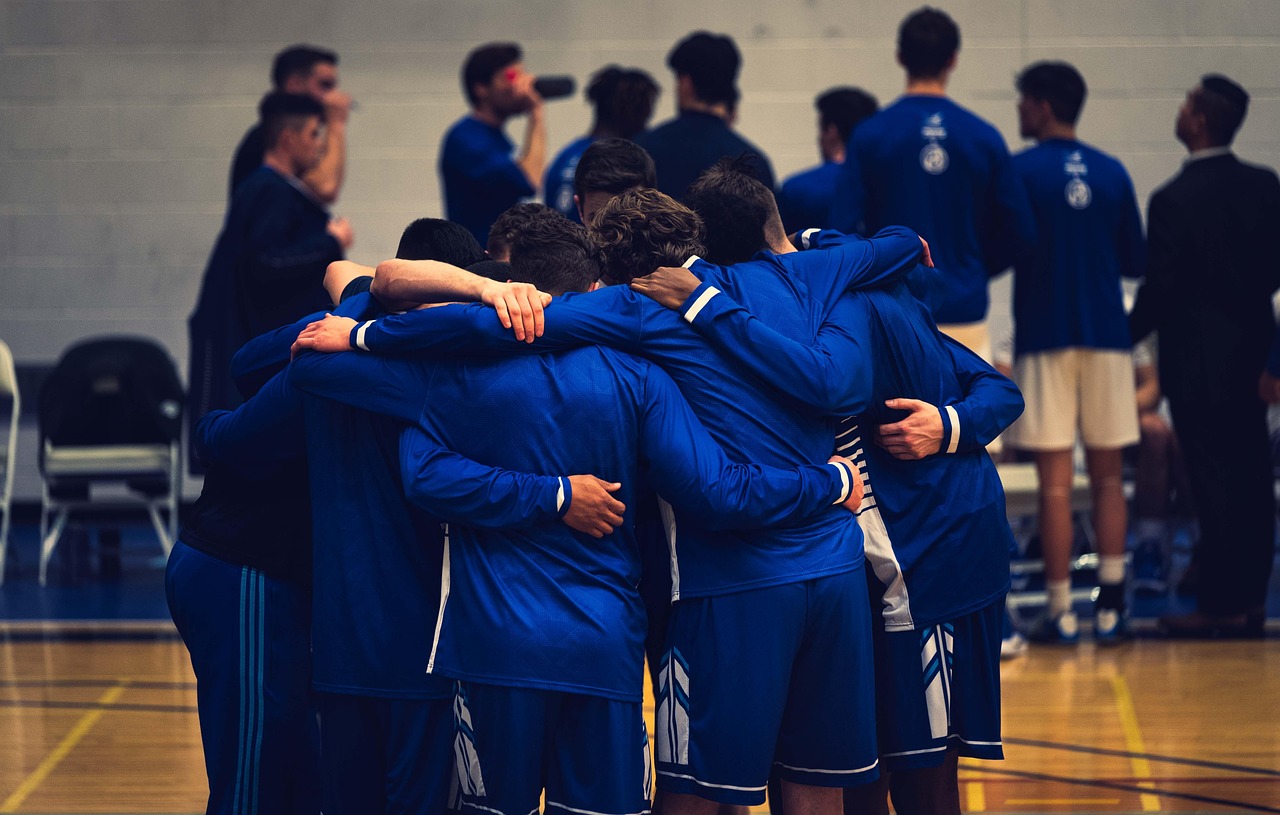
Regular team meetings can also support chemistry by facilitating discussions about game strategies and expectations. During these meetings, players should feel empowered to ask questions and share their insights. Following a collaborative approach helps players to take ownership of their development. Coaches should listen actively to their players when addressing concerns and suggestions. This means that players feel valued and understood which strengthens bonds amongst teammates. Furthermore, maintaining a positive environment and celebrating successes fosters a sense of accomplishment. Celebrate achievements not only on winning games but also maintaining good sportsmanship or reaching personal milestones. Utilizing team rituals or shared practices can also enhance cohesion; having a pre-game huddle or post-game reflection builds a shared identity. Coaches should also pay attention to the individual needs of players, as addressing personal challenges can impact team dynamics. Understanding each player’s background, personality, and motivations can help tailor coaching methods accordingly. Additionally, fostering camaraderie implies recognizing the importance of fun; sometimes, light-heartedness can ease pressure and enhance performance. Ultimately, cultivating a culture of support and encouragement solidifies the foundation of any successful basketball team.
Implementing Drills for Team Cohesion
Implementing specific drills designed to enhance team cohesion is a practical approach for basketball coaches. Choose drills that emphasize communication and teamwork, such as relay races or team shooting challenges, that require players to work together towards common goals. These drills are effective in helping players understand each other’s playing styles and strengths, ultimately fostering better collaboration during games. Coaches can also incorporate small-sided games that force players to communicate and coordinate effectively in high-pressure situations. Moreover, including mixed skill-level groups during practices can ensure that stronger players assist those less experienced, helping to build confidence across the board. This support system generates an inclusive atmosphere, allowing players to bond during shared practice sessions. Coaches should facilitate debriefing sessions after these drills to discuss what worked and what did not; drawing attention to the importance of team strategies and how players interacted during practice strengthens these lessons. Encourage players to share experiences and feedback, enhancing their understanding of teamwork. To truly succeed, creating a culture where game-related learning is prioritized facilitates team unity and allows for growth, both individually and collectively.
Additionally, using video analysis can be an effective tool for building team chemistry. Reviewing game footage allows players to see themselves and teammates in action, leading to discussions about roles, strategies, and positioning. This reflective practice gathers insights and highlights areas for improvement while acknowledging successful collaborative efforts. Coaches should guide these sessions, helping players articulate their observations and feelings towards certain plays or teamwork. Furthermore, facilitating a platform for players to engage peer-to-peer feedback emphasizes a team-oriented mindset. Promote the idea that feedback is a valuable resource for growth, not criticism. Trust is vital; players should feel safe expressing thoughts and insights, knowing that their opinions will be respected. Additionally, encourage players to support each other both on and off the court, highlighting the importance of teamwork in achieving personal and collective goals. Acknowledging players’ efforts towards fostering unity builds empathy and connection, vital in sports. Moreover, encouraging initiatives where players mentor younger teammates or run clinics instills a sense of responsibility among players, reinforcing team unity. A solid team chemistry ultimately allows players to not only excel on the court but also develop lifelong skills.
Fostering a Positive Competitive Environment
Fostering a positive competitive environment is crucial for basketball coaches who seek to enhance chemistry among players. While competition is inherent in sports, coaches must de-emphasize individual accolades in favor of team success. This can be achieved by establishing collective goals that everyone works towards achieving together, ensuring that every player sees their role as contributing to the team’s overall performance. Rewarding teamwork and collaboration along with individual achievements inspires players to embrace collective responsibility and effort. Create an atmosphere where mistakes are seen as learning opportunities rather than failures, allowing players to grow and trust one another during challenging moments. Encouraging healthy competition amongst teammates can also motivate players to elevate their game while still fostering support. Utilize competitions that require teamwork such as “team scoring” drills that emphasize collaboration and strategy, allowing players to learn to rely on each other during pressure moments. Regularly discuss with players the importance of having each other’s backs during both good and challenging times. Building this competitive spirit emphasizes unity and shared objectives, creating a culture wherein players work hard for one another, both in practice and during games.
Strengthening team chemistry also involves prioritizing mental well-being. Mental resilience plays a significant role in how players interact and perform together. Coaches should incorporate mental fitness routines, such as mindfulness practices or team reflections, to encourage players to be present and engaged with their teammates. Regular practice of mental resilience helps players cope with pressure and builds a more supportive environment. Discussing the mental aspects of the game during training allows players to connect emotionally, fostering deeper relationships. Emphasizing the importance of player downtime and self-care is equally essential. Encouraging players to recharge and focus on personal well-being is fundamental for maintaining high spirits and energy levels on the team. Establishing support systems, where players check in with one another, increases accountability among teammates. Moreover, collaboratively setting long-term goals targeting personal and team achievements helps not only in performance but reinforces interpersonal relationships. In establishing emotional connections, players are more likely to trust one another during competitive situations. Ultimately, basketball is a team sport, and nurturing a supportive atmosphere enhances overall enjoyment, cohesion, and respect among players, ultimately setting the stage for success.
Encouraging Open Communication
Encouraging open communication is key to solidifying team chemistry amidst diverse personalities. Coaches must establish an environment where every player feels comfortable communicating their thoughts and emotions freely. Implementing regular feedback sessions allows players to voice their opinions, fostering a culture of collective improvement. These sessions should be structured to emphasize respect and confidentiality, assuring players that their views are valued. Utilize tools such as anonymous surveys or suggestion boxes to give quieter players an avenue for expressing their concerns or suggestions without fear. Open forums where players can discuss strategies, team dynamics, and personal challenges further support transparent dialogues. Moreover, facilitating paired discussions, where two players talk privately about their experiences, encourages deeper connections. Assign players to work in pairs on drills, rotating responsibilities, enhances collaboration and trust. Coaches should model effective communication by being approachable and transparent about their expectations. Being receptive and responsive to players’ needs nurtures mutual respect. Engaging in honest conversations about team goals, performance issues, or personal challenges leads to shared understanding. Ultimately, enhancing communication paves the way for developing richer relationships on and off the court, leading to cohesive and successful teams.
In conclusion, building team chemistry in basketball requires a deliberate and multifaceted approach from coaches. By fostering an inclusive and supportive environment, emphasizing open communication, and encouraging collaboration, coaches can create a strong foundation necessary for team success. Regular practices designed to enhance teamwork, along with a focus on mental resilience, empower players to connect more deeply. Recognizing and celebrating individual contributions while establishing collective goals promotes unity, driving high-performance outcomes. Coaches should strive to create rituals and traditions that solidify team identity, enhancing emotional connections amongst players. Involving players in decision-making processes and offering valuable feedback mechanisms allow them to take ownership of their development and team dynamics. Encourage players to form social bonds outside of basketball to foster trust and improve collaboration on the court. Ultimately, successful basketball programs are built on strong team chemistry, making every effort invested in nurturing relationships worthwhile. Coaches are pivotal in shaping the culture of their teams, forging valuable connections that contribute to improved performance and a rewarding experience for all involved. Enhanced team chemistry will lead to both individual growth and a successful basketball season.