
Combining Protein and Carbs for Optimal Muscle Recovery
To achieve optimal muscle recovery, the combination of protein and carbohydrates is essential. Both nutrients work together to replenish energy stores and support muscle repair. When you engage in weight training or aerobic activities, your body utilizes glycogen as fuel. After exercise, combining protein and carbs in a post-workout meal speeds up recovery. Proteins help repair muscle tissues that have small tears from intensive workouts, while carbs replenish glycogen stores. A well-balanced post-exercise snack can set the stage for your subsequent workouts and overall recovery. Examples of effective meals include a blend of proteins such as chicken or fish alongside whole grains or fruits, offering a perfect balance between protein synthesis and energy restoration. On days of heavy training, consider increasing your carbohydrate intake to enhance glycogen restoration. Balanced nutrition is crucial for any athlete seeking to improve performance. Furthermore, personalized nutrition plans based on individual needs and goals may improve recovery efficiency. With discipline and knowledge about nutrient timing and composition, athletes can harness the full benefits of proper nutrition following workouts.
The Role of Carbs in Recovery
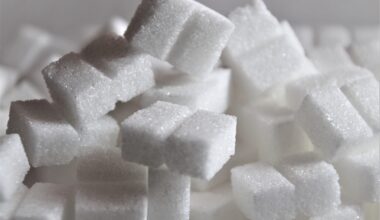
Carbohydrates play a vital role in muscle recovery, acting as the primary energy source for your body. They offer an immediate energy supply needed during high-intensity workouts. When you consume carbs, your body converts them into glucose, which is stored in the muscles as glycogen. This stored glycogen is essential to fuel subsequent workouts. After a demanding training session, the glycogen stores in muscles become depleted, making it crucial to replenish them with high-carb foods. Foods rich in carbohydrates, such as sweet potatoes, rice, pasta, and fruits, can enhance recovery when consumed after exercise. It efficiently restores energy levels and prepares the body for upcoming training sessions. Additionally, pairing carbohydrates with protein enhances the overall recovery effect, facilitating better muscle rebuilding and growth. Research suggests combining a 3:1 ratio of carbohydrates to protein in post-workout snacks can provide optimal results. This ratio stimulates insulin release, further enhancing recovery. Consider simple, nutritious sources of both macronutrients like Greek yogurt with berries or a protein shake with a banana for effective post-workout nutrition. The right approach not just helps recovery but also boosts overall performance.
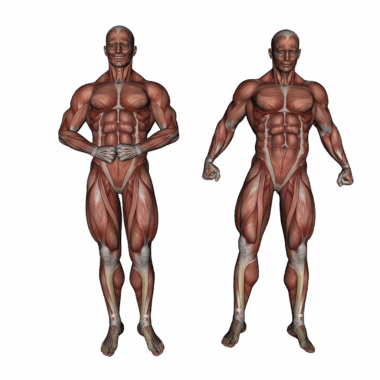
Protein is a critical component of recovery, crucial for repairing muscle damage and building new muscle. After your workout, the muscle fibers undergo significant stress and, as a result, microscopic tears occur that require healthy doses of protein for recovery. You must consume adequate protein to support muscle repair and growth, usually ranging from 1.2 to 2 g protein per kilogram of body weight daily, depending on your activity level. High-quality protein sources, including lean meats, fish, eggs, dairy, and plant-based options like lentils and beans, provide the necessary amino acids that aid in muscle rebuilding. An ideal time to consume protein is within 30 minutes to two hours post-workout when muscles are most receptive to nutrients. Protein requirements can vary based on training intensity and individual goals; those focused on building mass will necessitate higher protein intakes. Research indicates that splitting protein intake throughout the day can benefit muscle protein synthesis more than consuming large amounts at once. Always ensure adequate hydration alongside protein consumption, as fluids help facilitate the transport of nutrients. A well-rounded post-workout protein plan can significantly elevate muscle recovery and overall growth.
Nutrient Timing for Maximum Effectiveness
Nutrient timing significantly influences recovery, particularly the timing of carbohydrate and protein intake after exercise. The post-exercise period is often referred to as the “anabolic window,” where the muscles are most receptive to nutrients. Consuming a well-balanced meal containing protein and carbs immediately after workouts can enhance recovery, leading to increased muscle growth and repair. Recommendations generally advise consuming this meal or snack within 30 minutes post-exercise to maximize benefits. The anabolic window helps the body utilize nutrients more efficiently for muscle rebuilding and restoring glycogen levels. During this critical period, hormonal responses, including insulin release, play a key role in the recovery process. The effective combination of protein and carbs stimulates this response, facilitating faster restoration of energy stores. For athletes focusing on endurance, carbohydrate intake may need to be prioritized. Post-workout meals can include options like smoothies, oatmeal with protein powder, or specialized recovery drinks. Following a clever approach to nutrient timing can set you on a path of improved recovery and performance in your next workout session and elevate your overall training effectiveness.
Hydration plays an essential role in muscle recovery, making it a crucial consideration alongside protein and carbohydrate intake. Maintaining proper hydration levels helps support metabolic processes essential for muscle repair. Water is necessary for transporting nutrients to the muscles and helping remove toxins produced during exercise. Dehydration can hinder recovery, impair performance, and even increase the risk of injury. Consistent hydration before, during, and after workouts is essential for optimal recovery outcomes. Aim to drink fluids consistently throughout the day, especially around exercise times. An estimated guideline is to consume at least 500 ml of water during your workout, followed by additional fluids to cover fluid losses. Sports drinks can also serve as an effective recovery aid by offering electrolytes and carbohydrates. Pay close attention to hydration needs based on environmental conditions and workout intensities, as they can influence how much water your body requires. Post-exercise hydration should also encompass electrolyte-rich options, particularly after prolonged, intensive workouts. Understanding how fluids impact recovery is essential to enhancing performance. Remember, without adequate hydration, your efforts within the gym can be outmatched by an insufficient recovery process.
Food Choices for Post-Workout Recovery
Choosing the right foods for post-workout nutrition supports muscle recovery and enhances overall performance. A balanced post-workout meal should integrate protein and carbohydrates while considering micronutrients such as vitamins and minerals to aid recovery. Picking nutrient-dense foods rather than empty-calorie options will facilitate faster muscle rebuilding. Examples of optimal recovery foods include grilled chicken with quinoa, salmon with brown rice, or a vegetarian option like chickpeas and avocado. Furthermore, a recovery smoothie enriched with protein powder, spinach, and banana can be an excellent source of both protein and carbohydrates. Variety is vital, as it ensures a comprehensive intake of micronutrients that support recovery processes. Including antioxidant-rich fruits, such as berries, helps combat oxidative stress produced during intense workouts. Whole foods with minimal processing are best to avoid unwanted additives that might hinder recovery. Awareness of ingredient labels becomes pivotal when choosing convenient options like protein bars. Opt for options that integrate quality proteins and whole grains without excessive sugars. Navigating food choices post-exercise can mark a significant difference in recovery efficiency and muscle gains, giving you the advantage needed to excel further.
Incorporating protein and carbohydrates into your muscle recovery routine should be tailored to your specific fitness goals and individual needs. The synergy between these macronutrients can enhance recovery and improve performance across a range of activities. Engaging with a nutritionist, personal trainer, or dietitian can provide valuable insight tailored specifically for your physical demands. Emphasis can be placed on understanding personal macronutrient ratios based on activity levels, workout intensity, and unique physiological requirements. Keeping food logs or utilizing apps can help track daily intake and identify areas for improvement. Diligence in adhering to meal timing and composition can yield significant returns in recovery efficiency over time. Experimenting with food combinations can help identify what works best for your body. Staying consistent with nutrient consumption, working toward optimal recovery, and customizing your intake allows for a more systematic approach to achieving fitness goals. Additionally, maintaining open communication with fitness professionals can help refine your strategy, ensuring that all elements of nutrition align with performance goals. By executing a well-rounded approach to post-exercise nutrition, you embrace a pathway toward long-term success in health and fitness.
Conclusion: Balance is Key
In summary, a successful recovery after strenuous workouts hinges on a balanced combination of protein and carbohydrates. Both play integral roles in muscle repair and glycogen restoration, vital to enhancing overall performance. Emphasize your post-workout nutrition strategy to include nutrient-dense options and proper timing. Customizing your recovery plan based on your goals and physical demands ensures that your body receives the best possible care. Understanding both nutrient roles facilitates efficient muscle recovery and prepares your body for future activities. Make intentional food choices while also considering hydration strategies to support your recovery framework. Always remain aware of your body’s feedback following various meals, adapting choices based on what yields the best response for you. Successful athletes are often defined by not only their training but also by their post-workout routines and dietary habits. Striving to find balance between protein and carbs in your nutrition strategy leads to consistently improved performance and recovery outcomes. By adhering to these principles and building a robust recovery plan, you’re setting the stage for sustained muscle growth and achieving your fitness aspirations.