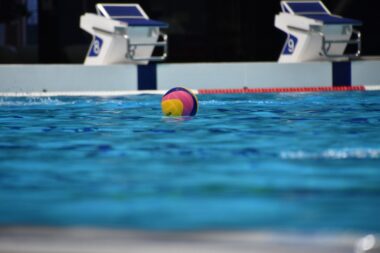

Developing Speed and Power in Water Polo Swimming
Water polo requires a specific set of swimming skills that are crucial for excelling at the sport. Building both speed and power is essential for players to dominate in the water. To attain these skills, athletes must combine physical conditioning with technical swimming drills. Water polo swims are unique compared to traditional swimming styles. Players need explosive bursts of speed to maneuver effectively during games and quickly change directions in response to opponents. As such, swimmers should focus on developing strong cardiovascular endurance along with powerful strokes. These qualities create a solid foundation for achieving optimal performance in the pool. Furthermore, swimming drills that zero in on sprinting techniques can help athletes build this necessary speed and power efficiently. Incorporating high-intensity interval training, resistance exercises, and speed-focused drills into training routines becomes imperative for players seeking an edge over their competition. Ensuring a diverse approach to training will yield positive results, enhancing both individual skills and team dynamics in the game of water polo. Consistency and dedication make all the difference in a player’s training journey.
When it comes to building speed in swimming, techniques play a pivotal role. Athletes must review their stroke mechanics, identifying areas that require improvement. This can include regular video analysis to assess the efficiency of their swimming mechanics. A streamlined approach in the water will allow players to conserve energy while maximizing speed. Efficient strokes—such as the freestyle and backstroke—help in achieving impressive lap times while minimizing drag. Practicing specific drills such as “sprint swims” or “power starts” will refine the swimmer’s speed. Implementing resistance training on land will also bolster overall strength, benefiting both swimming speed and explosive power. Exercises targeting the core, legs, and shoulders will contribute to enhanced propulsion in water. Moreover, swim sets that focus on varying intensity levels prepare players for the unpredictable shifts in pace during games. For example, interval training that alternates between bursts of speed and recovery periods will condition athletes for competition. Combining these elements will develop a well-rounded swimmer capable of producing both speed and power effectively. Engaging in cross-training activities, such as running or cycling, can further aid in building cardiovascular fitness essential for water polo.
Another vital aspect of training for water polo swimming is incorporating strength training. Athletes need to focus on functional strength that translates into power during swimming strokes. Compound movements like squats, deadlifts, and bench presses should be included in training on land. These exercises build muscle mass, enhance overall body strength, and improve swimming velocity. Resistance bands can also be utilized for swim-specific drills to enhance muscle engagement when practicing strokes. Another effective strategy involves integrating plyometric movements into the workout routine. Exercises such as box jumps and medicine ball throws can improve explosive power, directly benefiting sprinting in water polo. Players should also emphasize maintaining flexibility through yoga or dynamic stretches to enhance their range of motion. Flexible muscles contribute to better swimming efficiency while reducing the risk of injuries. Players who incorporate strength training effectively will notice significant improvements in their swimming speed and overall performance in the game. Staying on top of conditioning routines will reinforce skill levels required in competitive water polo matches. Athletes who dedicate themselves to a balanced training program will benefit immensely from the cumulative effects of strength training.
Incorporating High-Intensity Interval Training
High-intensity interval training (HIIT) is a methodology that sits at the intersection of power and speed development. This training involves short bursts of intense activity followed by rest or low-intensity periods, making it optimal for water polo players. HIIT sessions mimic the game’s high-energy demands, providing swimmers with better endurance and strength for fast-paced situations. During these workouts, players can engage in various drills that focus on both swimming techniques and land-based exercises. An example drill could involve performing 30 seconds of all-out swimming followed by a short recovery, then repeating the set for several repetitions. This pattern creates a robust cardiovascular response while improving muscular endurance. Moreover, incorporating specific swimming drills like “100-yard sprints” during HIIT allows players to practice strokes at maximum effort, replicating game scenarios. HIIT increases overall physical output, allowing athletes to swim faster for longer durations. Additionally, players can complement their training with nutrition strategies that support their energy levels and recovery. Post-workout nutrition becomes crucial for muscle recovery and consistent performance during rigorous water polo training. The integration of HIIT into swimming routines will produce remarkable results.
Fluidity in the water comes from the proper execution of swimming techniques. Water polo athletes must continually work on stroke refinement to promote speed and power. Key techniques to master include a powerful kick, efficient arm strokes, and a proper breathing rhythm. By focusing on swimming drills aimed at enhancing these elements, players can create a more powerful swim profile. For example, practicing “kicking drills” with a kickboard can directly contribute to leg strength and explosive power. Moreover, players should focus on maintaining a streamlined silhouette while swimming to reduce drag and increase velocity. Drills such as “catch-up freestyle” emphasize the importance of timing and coordination, essential for effective propulsion through the water. Emphasis on breathing during swimming practices also ensures athletes have adequate oxygen during intense exertion. Understanding the rhythm and timing of breathing while executing strokes ensures maximum efficiency in competitive settings. Players seeking to develop their mobile adaptability in the water should engage in dynamic swimming drills that incorporate quick directional changes. Such exercises promote agility while maximizing the speed required for effective performance during water polo matches.
Endurance Training and Recovery Strategies
The importance of endurance cannot be overstated in the realm of water polo swimming. Players need to have the stamina to endure the demands of a full match while maintaining a high level of performance. Incorporating distance swims into training regimens builds aerobic capacity, enabling athletes to swim longer without fatigue. Ideally, players should engage in sets of longer-distance swims with varied pacing to mimic match conditions. This incorporation allows athletes to practice their endurance without sacrificing speed or power. Moreover, it’s essential to adopt effective recovery strategies. Recovery techniques, such as physiological rest days, stretching sessions, and nutrition, enhance muscle healing and prepare players for subsequent training days. Utilizing methods like foam rolling and contrast baths can reduce muscle soreness and facilitate quicker recovery. Nutrition also plays a significant role in sustaining energy levels and recovering after intense workouts. Consuming a balance of carbohydrates and proteins post-training is crucial to refuel energy stores and repair muscle tissues. Hydration should remain a priority to support optimal performance levels. Consistently adopting these training techniques will maximize a player’s potential during competitive water polo encounters.
Overall, developing speed and power in water polo swimming is a multi-faceted approach that requires dedication and a structured training plan. Athletes must consistently work on both their swimming technique and physical strength to achieve their performance goals. Establishing a routine of technical improvement, strength and endurance training, and HIIT can equip players with the vital tools necessary for effective competition. Coaches should also encourage players to listen to their bodies and adjust training regimens accordingly. Engagement in additional aquatic activities, such as swimming drills, can vastly improve technique while increasing the variety of training. Peer feedback from teammates or instructors can provide unique insights into personal swimming mechanics, facilitating further improvement. In conclusion, maintaining a positive mindset alongside a commitment to physical endurance is key to thriving within the sport. Players who cultivate a comprehensive training program that emphasizes speed, power, and recovery techniques will undoubtedly experience enhanced performance. Overall, the journey to mastering water polo swimming will lead to considerable growth, not just in physical ability but in mental resilience that shapes high-water polo players. Dedication to this journey ultimately pays off in competition.
Conclusion
In essence, embracing the myriad facets of water polo swimming is vital for developing skillful athletes. Building speed and power requires commitment and an understanding of effective training principles. Players should be aware that their success hinges on the balance of strength training, swimming techniques, and recovery strategies. Such comprehensive training methodologies allow individuals to thrive within the competitive realm of water polo. The incorporation of HIIT, strength conditioning, and endurance elements will lead to improved action performance both in and out of the water. Athletes must value the importance of consistent practice and recognize the benefits that come from diligent training. By prioritizing these approaches, players will not only find themselves maximizing their swimming capabilities but also fostering a deeper passion for water polo. This journey of self-improvement ultimately culminates in remarkable performances on the field. Maintaining a proactive attitude toward training goals and supporting fellow players will create a thriving water polo community. Therefore, aspiring athletes should embrace the commitment involved when developing skills in swimming for water polo success. Collectively, such dedication will enhance personal achievements and team dynamics in their games.