
Exploring Outdoor Fitness Parks
Outdoor fitness parks have gained significant popularity globally, providing the perfect combination of nature and fitness. These parks offer various exercise equipment, such as pull-up bars, balance beams, and resistance training tools. They are ideal for people who want to work out while enjoying the beauty of their city. In cities like New York, Central Park features dedicated fitness areas equipped with high-quality machines that cater to diverse fitness levels. Similarly, in London, parks such as Hyde Park offer outdoor gym equipment, stretching areas, and space for group workouts. The fresh air and scenic surroundings significantly enhance the workout experience, allowing individuals to exercise while soaking in the beauty around them. Furthermore, these parks are typically free to use, making them a budget-friendly option for everyone. Communities around the world are realizing the benefits of such spaces, leading to increased investment in outdoor fitness facilities. Whether you are a beginner or a seasoned athlete, outdoor fitness parks can be part of a healthy lifestyle while providing an enjoyable way to engage with nature. Pair your exercise routine with friends for enhanced motivation and support while enjoying the outdoors.
In global cities, outdoor fitness parks serve as vibrant hubs for socialization. These parks not only provide fitness benefits but also foster community engagement. Many urban centers, like Singapore, incorporate outdoor fitness areas that encourage group activities, such as yoga, dance classes, and boot camps. The city’s East Coast Park showcases numerous fitness stations scattered throughout, ideal for individuals and groups alike. Not only does this enhance physical health, but it also builds camaraderie among participants. In Sydney, the Bondi Park features fitness equipment where people gather to challenge themselves and each other, turning exercise into a fun, social event. Local trainers often conduct sessions in these spaces, increasing accessibility to professional guidance for all workout enthusiasts. Engaging in activities with others motivates individuals to push their limits and achieve their fitness goals more effectively. Additionally, many outdoor fitness parks have scenic views that enhance the workout environment, making exercise enjoyable rather than a chore. These community-centric spaces promote physical health and social interaction, which is essential for maintaining a balanced and fulfilling lifestyle. Remember to explore parks in your city for unique fitness opportunities and fostering community spirit.
Innovative Equipment in Urban Parks
As fitness trends evolve, outdoor parks are increasingly equipped with innovative workout tools. Unlike traditional gym equipment, these tools are specifically designed to withstand outdoor conditions. In cities like Los Angeles, Griffith Park boasts state-of-the-art fitness stations including battle ropes, climbing walls, and even outdoor boxing bags. The versatility of such equipment caters to several workout styles, whether you prefer strength training or cardiovascular exercises. These parks often have instructional panels nearby, promoting proper usage and ensuring safety for all users. Aventuras in Barcelona features multi-functional equipment, allowing several people to use it simultaneously, fostering a spirit of cooperation. The interactive designs and vibrant colors of the fitness stations not only appeal aesthetically but also enhance the overall ambiance of the park. Moreover, many cities now incorporate eco-friendly designs into their outdoor fitness parks, using sustainable materials and minimizing environmental footprints. This development reflects a growing awareness of sustainability in urban planning, allowing fitness enthusiasts to work out without compromising the environment. Overall, innovative equipment in outdoor fitness parks makes workouts more accessible and enjoyable while promoting community interactions in surrounding neighborhoods.
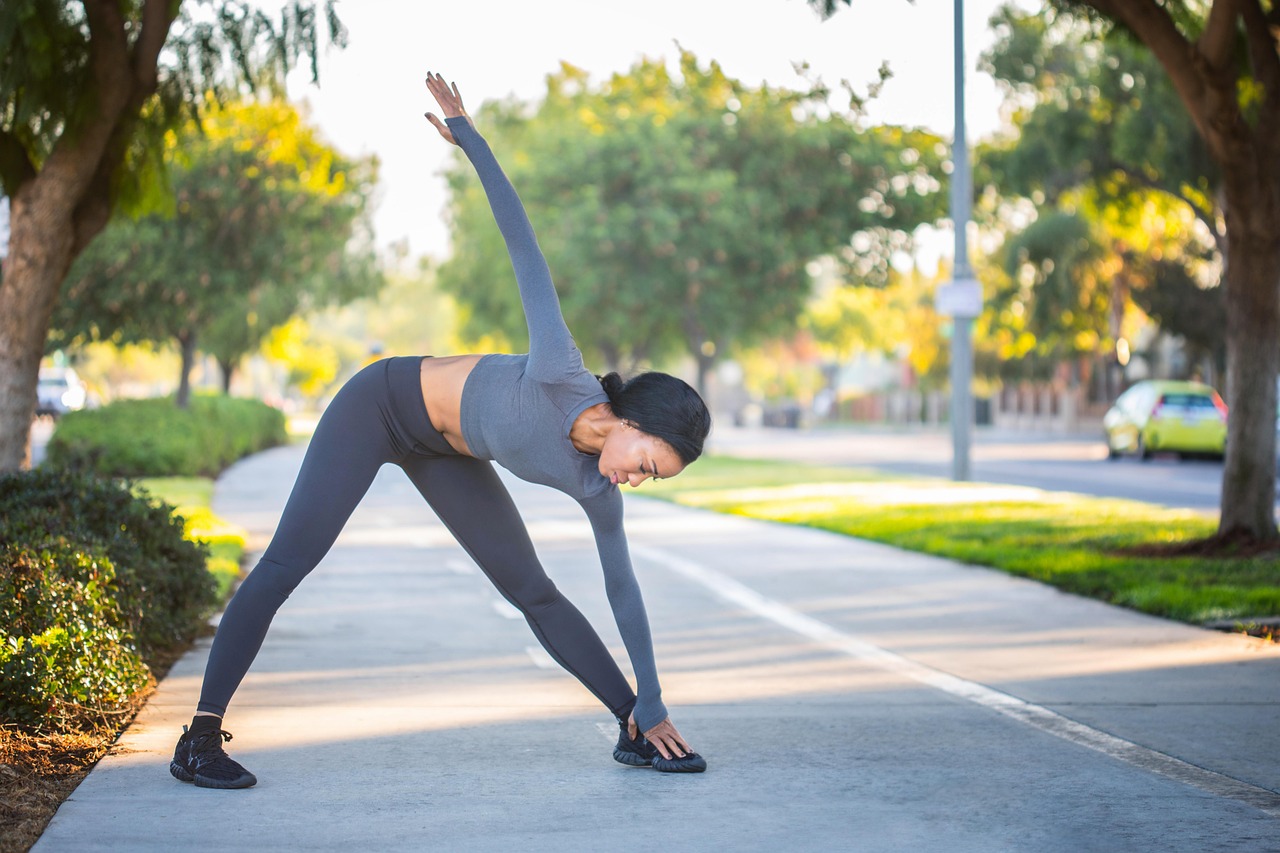
Outdoor fitness parks also promote mental health alongside physical activity. Numerous studies have shown that exercising outdoors can improve mood and reduce stress levels. In cities like Tokyo, urban parks like Yoyogi Park are crucial for residents seeking solace from the bustling city life. The natural landscapes and fresh air contribute to a sense of well-being, allowing individuals to recharge mentally. Participating in group workouts at these parks enhances the benefits by fostering social connections, which are vital for emotional health. Many parks have quiet corners and serene paths perfect for mindful practices like yoga or meditation, encouraging users to focus on their inner peace. It’s essential to recognize that mental health is as important as physical fitness, and being surrounded by nature plays a significant role. Engaging with the elements, whether it’s through jogging along a tree-lined path or practicing yoga on the grassy patches, contributes positively to one’s state of mind. Therefore, seeking outdoor fitness opportunities can be a holistic approach to improving overall well-being. Integrating these practices into daily life can lead to healthier habits, promoting a balanced lifestyle.
Global Examples of Outdoor Fitness Parks
Some of the most noteworthy outdoor fitness parks around the globe exemplify how urban spaces can be transformed into health-centric environments. In Rio de Janeiro, the famous Copacabana Beach features outdoor gyms where locals and tourists gather to exercise and socialize under the sun. These open-air facilities include various fitness stations and are always bustling with activity. On the other side of the globe, in Vancouver, Stanley Park is home to several outdoor fitness installations that are integrated with nature trails for jogging and biking. Such parks often attract diverse groups, promoting a sense of inclusivity. In Paris, the Parc des Buttes-Chaumont offers dynamic workout options with its rugged terrain and scenic views. Residents can enjoy rock climbing, bodyweight training, and more. The creative use of natural landscapes in these parks not only provides unique training opportunities but also enhances the urban experience for users. Each city embraces its local culture and environment, making outdoor fitness parks an essential part of urban life that reflects the health and wellness ethos of contemporary societies.
The advent of technology has further revolutionized outdoor fitness parks, allowing users to engage in a more personalized workout experience. Many cities are now incorporating fitness apps and QR codes into their outdoor gym setups, enabling users to access guided workouts and solutions catering to their fitness levels in real-time. For instance, parks in Chicago have digitized their workout stations, with options allowing users to log their workout progress, share achievements on social media, and gather community support. Moreover, this blend of fitness and technology enhances the accountability factor, as users can track their improvements over time. Another exciting concept emerging is using augmented reality (AR) apps that provide immersive workout experiences at locations like outdoor beach gyms in Miami. These advancements make exercising outdoors more interactive and fun, engaging users with exciting challenges and allowing everyone to share fitness journeys. By embracing technology, outdoor fitness parks continue to evolve and cater to diverse needs, ensuring individuals remain motivated. The seamless integration of fitness and technology promotes a healthier lifestyle, creating a more engaged and active community.
Conclusion: The Future of Outdoor Fitness
Looking ahead, the future of outdoor fitness parks appears bright, characterized by innovation and community-focused designs. As cities strive to enhance the quality of life for their residents, investing in outdoor fitness parks will likely remain a priority. Many cities are reimagining public spaces, ensuring they provide a blend of recreational facilities and fitness options for citizens. Future parks may include obstacle courses, extension of workout zones, and wellness huts that offer consultations or healthy food options. Global trends indicate a rising focus on holistic well-being, with outdoor fitness parks at the forefront of this movement. As urban populations continue to grow, the demand for accessible fitness solutions will also rise. Communities are recognizing the immense value these parks bring in terms of health benefits and social interaction. Advocating for more outdoor wellness spaces will enhance accessibility, allowing everyone, regardless of income or fitness level, to prioritize their health. Overall, the evolution of outdoor fitness parks reflects a societal shift towards well-being and inclusivity, paving the way for healthier, happier urban living.
As cities accommodate growing populations, the integration of outdoor fitness parks is essential in urban planning. These parks can transform urban landscapes while helping create a culture of health among residents. They can effectively reduce healthcare costs and enhance community engagement. The continuous development of outdoor fitness parks reflects a broader understanding of health, promoting physical activity as an integral part of urban living. Communities that embrace this facility can cultivate healthier lifestyles while fostering social bonds among neighbors. Additionally, these parks can also serve as venues for community events, competitions, and workshops that encourage fitness awareness among citizenry. In essence, outdoor fitness parks represent a valuable response to urban challenges. They not only beautify the environment but also significantly impact public health by encouraging active lifestyles. As urban centers evolve, the role of outdoor fitness parks will continue to expand. Such facilities will increasingly provide social, psychological, and health benefits to urban populations. It’s crucial for city planners to prioritize these spaces as integral components of modern cities, ensuring a future where health and fitness are universally accessible.