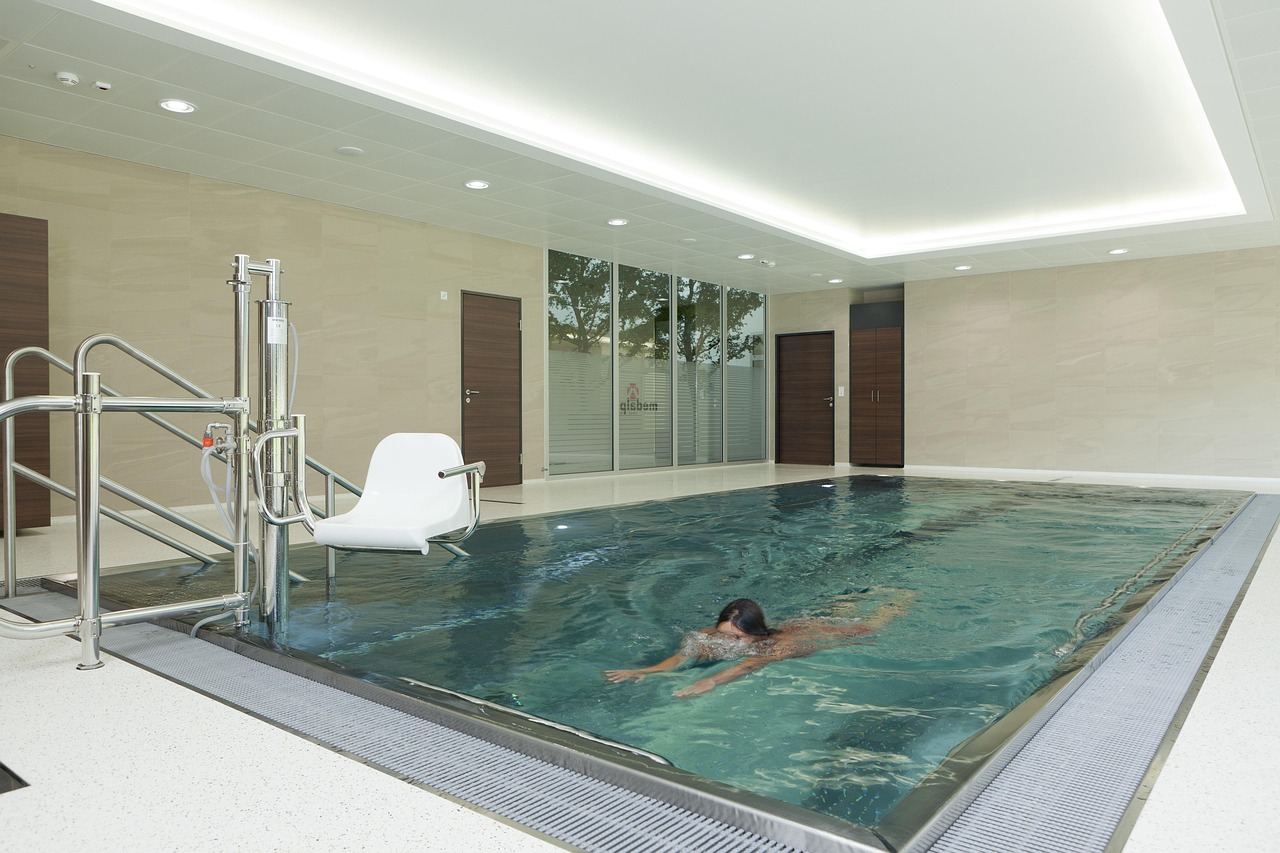

Understanding Buoyancy and Its Therapeutic Effects
The concept of buoyancy is fundamental in aquatic therapy, significantly impacting the rehabilitation process. Buoyancy allows individuals to engage in exercises with reduced stress on joints and muscles. This reduced gravitational force can facilitate movement, enabling patients to perform routines that may be impossible on land. The flotation support enables individuals recovering from injuries to regain movement and strength without the pain usually associated with traditional exercises. Buoyancy also helps users feel more comfortable during workouts, allowing them to focus on improving mobility and building muscle strength. During aquatic therapy sessions, individuals benefit from warmth, hydrostatic pressure, and resistance, leading to enhanced therapeutic outcomes. Often, patients undergoing physical therapy report increased confidence when utilizing aquatic environments. Improved morale can result in more effective recovery rates and enhanced physical outcomes. Overall, buoyancy plays a vital role in rehabilitation by creating an environment conducive to healing and strength building. Understanding buoyancy’s effects is crucial for therapists to develop effective aquatic therapy plans for injured individuals, making it an invaluable tool in recovery programs.
Buoyancy reduces the weight of an individual’s body while submerged, making exercises less strenuous and more attainable. This essential factor contributes to the overall therapeutic effects of aquatic therapy by alleviating discomfort during rehabilitation. The warmth of water also promotes relaxation, which is necessary for effective muscle recovery and reduces pain perception. Many patients in recovery experience anxiety or fear regarding their movement, which is greatly alleviated in water. The supportive and invigorating qualities of the water environment encourage participants to engage more freely in therapy. In addition to muscle recovery, buoyancy aids in improving balance and coordination, essential components in regaining function after an injury. Studies show that aquatic therapy can enhance proprioception, helping individuals develop spatial awareness through intentional movements. These aspects are crucial for reintegrating individuals back into their daily activities and routines. Furthermore, buoyancy offers a sense of freedom, allowing therapists to design more enjoyable and varied exercise regimens. This enjoyment can lead to better adherence in patients, ultimately promoting long-lasting results in rehabilitation. By recognizing the importance of buoyancy, therapists can refine their interventions for improved patient engagement and recovery.
The Role of Buoyancy in Pain Management
The role of buoyancy in pain management is critical when considering how aquatic therapy can serve as an effective rehabilitation tool. As patients participate in low-impact exercises reduced by buoyancy, pain levels often diminish. Water’s natural resistance compensates for weaknesses in muscles caused by injury, enhancing overall mobility without causing additional strain. Utilizing aquatic therapy, patients can gradually progress through exercises designed to improve strength and flexibility, which may significantly decrease their pain over time. Furthermore, buoyancy aids in muscle relaxation, allowing for more effective stretching and strengthening activities to occur without discomfort. When muscles are relaxed, blood flow improves, facilitating nutrient delivery to the tissues and promoting healing. Patients often report a decrease in muscle spasms and improved joint flexibility following buoyant therapy sessions. In addition to these physiological benefits, the psychological effects are noteworthy. Decreased pain perception in water can improve a patient’s mental outlook, making them more receptive to continued therapy. Ultimately, buoyancy enhances therapeutic effectiveness by addressing both physical and emotional factors, assisting individuals in conquering their pain and advancing towards full recovery.
Beyond the immediate pain relief, buoyancy fosters an environment for long-term benefits in rehabilitation. The capacity to carry out exercises with minimal stress improves muscle function and stability. This is particularly important for individuals recovering from surgeries, such as knee or hip replacements, where movement is essential for regaining function. Strengthening exercises can be performed safely and effectively to enhance recovery. Additionally, buoyancy facilitates better outcomes for patients with chronic conditions, such as arthritis or fibromyalgia, where traditional land-based therapies might aggravate symptoms. The supportive nature of water enables patients to experience gradual levels of exertion, ultimately leading to improved function. Regular sessions utilizing buoyancy can elevate muscle tone, enhancing overall strength and endurance, which are vital for returning to daily activities. Moreover, the potential for social interaction in group aquatic therapy settings can significantly benefit mental health, as patients can share experiences and progress. Engaging with others during therapy promotes motivation — a necessary component for commitment to recovery. The overall impact of buoyancy extends beyond physical healing, resulting in improved quality of life and a more favorable outlook as individuals transition back to their normal routines.
Hydrostatic Pressure and Recovery
Hydrostatic pressure is another aspect of aquatic therapy that works in conjunction with buoyancy to enhance recovery. The pressure exerted by water can assist in reducing swelling, promoting blood circulation, and improving joint function. This increased circulation aids in delivering vital nutrients and oxygen to healing tissues while removing waste products. In turn, this accelerates the recovery process and facilitates rehabilitation. Patients often report feeling lighter and more agile in water, which encourages them to engage more readily in their exercises. Hydrostatic pressure also supports joints, reducing the weight placed on them during therapeutic movements. This can enhance stability and confidence for patients, helping them to progress in their rehabilitation. The controlled environment of a pool allows for tailored therapeutic interventions that align with individual patient’s needs. Additionally, hydrostatic pressure can provide sensory input beneficial for those with proprioceptive challenges, enhancing body awareness and improving overall coordination. By understanding the implications of hydrostatic pressure, therapists can more effectively structure aquatic therapy programs for optimal recovery outcomes. This knowledge further highlights the essential role of water in rehabilitative practices.
Including varied activities during aquatic therapy sessions can maximize the benefits of hydrostatic pressure. Exercises can range from simple movements to more advanced options involving resistance training, providing comprehensive rehabilitation. Patients often enjoy more diverse activities while benefiting from the unique effects of water. Engaging in strength training in water reduces the risk of injury, allowing individuals to work on strength-building exercises with confidence. Additionally, aqua aerobics can be an enjoyable way to enhance cardiovascular fitness. The soothing nature and buoyancy of water create an ideal environment for rehabilitation. Instructors can fill sessions with enjoyable components while ensuring that the pressure effects support recovery. Overall, combining hydrostatic pressure and buoyancy facilitates a unique therapeutic environment, leading to better long-term outcomes. The ability for patients to remain active and engaged in their recovery is invaluable, as it promotes continuity and maximizes results. Ultimately, these factors contribute to a more accelerated recovery, reducing anxiety associated with rehabilitation. Understanding these concepts is crucial for therapists seeking to optimize patient outcomes through aquatic therapy, enabling personalized programs that cater to individual needs.
Aquatic Therapy for Diverse Conditions
Aquatic therapy addresses a wide range of conditions, highlighting its versatility and effectiveness in physical rehabilitation. From post-surgical recovery to sports injuries, the benefits of buoyancy and hydrostatic pressure can transform rehabilitation approaches for various patient populations. Individuals suffering from orthopedic injuries, neurological conditions, or chronic pain can experience the positive effects of aquatic therapy. Each patient’s unique needs require tailored protocols that incorporate a variety of exercises designed to cater to their specific conditions. For instance, patients recovering from hip replacements can focus on regaining mobility in a low-impact environment, allowing for minimal stress on their joints. Furthermore, patients with chronic conditions such as multiple sclerosis often find relief through aquatic therapy due to the supportive nature of water. The adaptability of aquatic therapy allows therapists to incorporate traditional rehabilitative techniques alongside innovative aqua-specific methods to enhance recovery outcomes. Individualized treatment plans can guide patients through skill development, aimed at regaining strength, flexibility, and coordination necessary for daily life integration. By utilizing scientifically grounded practices, therapists provide comprehensive aquatic therapy sessions for optimal healing.
Overall, aquatic therapy presents an invaluable asset in the field of rehabilitation and injury prevention. The combination of buoyancy, hydrostatic pressure, and targeted therapeutic activities results in superior outcomes for patients. Through dedication to understanding buoyancy’s therapeutic effects, therapists can create engaging and effective rehabilitation experiences that maximize recovery potential. The physiological and psychological benefits of water support individual journeys leading towards regained health and wellbeing. Aquatic therapy continues to evolve as practices emerge, offering exciting opportunities for innovation. Continuous research exploring the effects of aquatic environments ensures that therapists have access to the latest evidence-based methodologies. These advancements allow practitioners to remain at the forefront of rehabilitation strategies while aligning their treatment approaches with modern science. Ultimately, the value of aquatic therapy in rehabilitation and injury prevention is undeniable, as it greatly enhances the patient experience and fosters a higher quality of life. Through buoyancy, individuals find hope and healing, allowing them to embrace life fully once again.