
Role of Antioxidants in Recovery for Golf Athletes
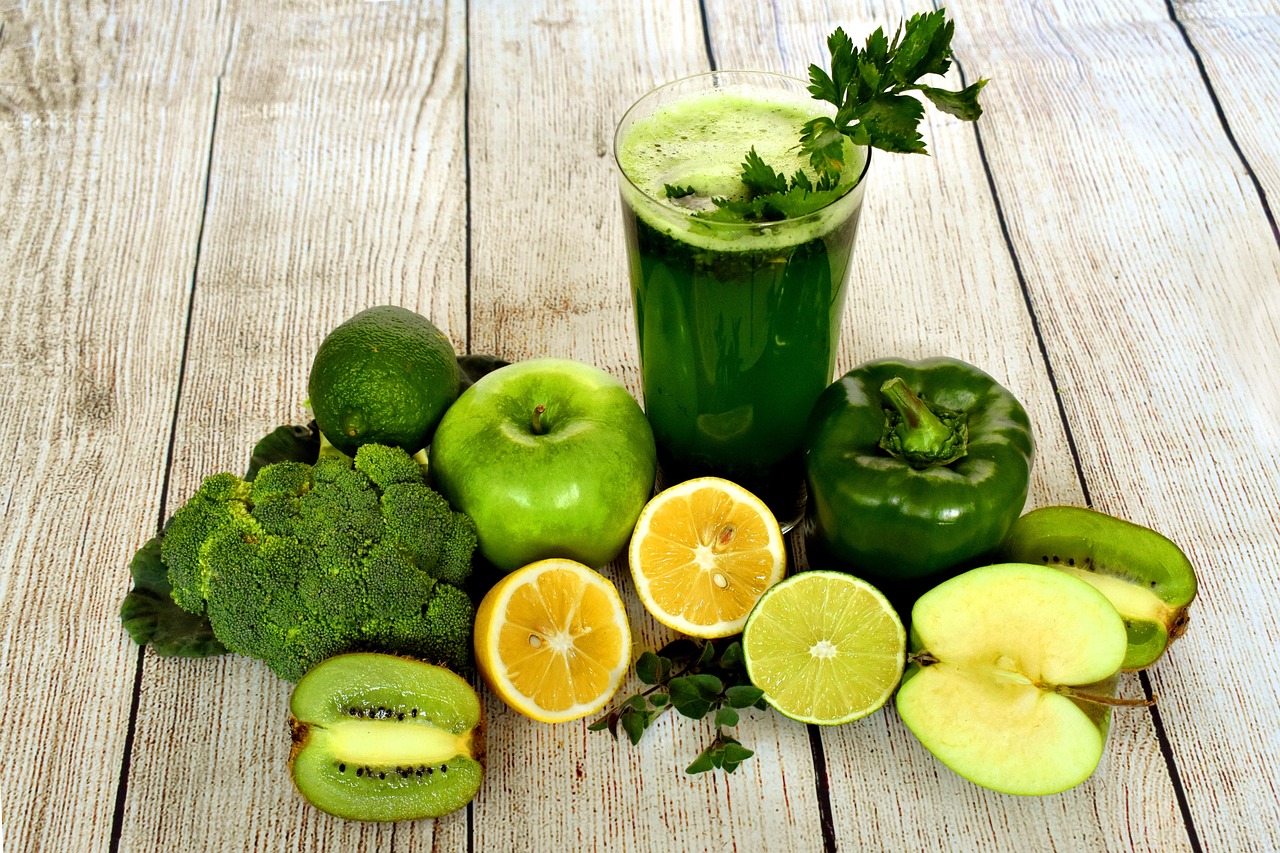
In the world of golf fitness, recovery strategies are essential for enhancing performance and preventing injuries. One crucial aspect that many golfers may overlook is the role of antioxidants in their recovery regimen. Antioxidants are compounds that combat oxidative stress in the body, which can be exacerbated by intense physical activity during golf practice and tournaments. When golfers engage in physically demanding sessions, their bodies produce harmful free radicals. These free radicals can damage cells and tissues, hindering the recovery process. This is why incorporating antioxidants through diet and supplements is vital for golfers aiming to optimize their recovery. Good sources of antioxidants include fruits and vegetables, particularly berries, citrus fruits, leafy greens, and nuts. Additionally, supplements such as vitamin C, vitamin E, and selenium can also provide significant antioxidant support. By including these foods in their diet, golfers can reduce muscle soreness, improve injury prevention, and enhance overall recovery. Understanding these benefits can significantly influence a golfer’s routine, contributing to a more sustainable fitness program, and elevating their game performance on the course.
To further elaborate, the consumption of antioxidants is not merely beneficial for physical recovery but also facilitates mental recovery. Golf, being a mentally challenging sport, requires cognitive sharpness in all weather and playing conditions. During a vigorous round of golf or practice, players may experience mental fatigue due to the stress and demands of the game. Antioxidants can help mitigate this fatigue by supporting brain health. Nutrients such as flavonoids found in dark chocolate, berries, and green tea have been linked to cognitive function improvement. For golfers, these aren’t just tasty treats; they are powerful tools for maintaining focus and concentration through long rounds. Implementing a nutrient-rich diet that prioritizes antioxidants can result in both enhanced physical and mental recovery. Furthermore, staying well-hydrated can work wonders alongside this diet, as it helps transport these essential compounds throughout the body. Thus, golfers can optimize their training and competitive performance by incorporating various antioxidant-rich foods into their meals both before and after playing, aiding recovery while maintaining mental agility.
Types of Antioxidants Beneficial for Golfers
Various types of antioxidants can substantially benefit golfers by supporting their recovery. The most prominent antioxidants include vitamins C and E, flavonoids, and carotenoids. Vitamin C, for example, is easily obtained from citrus fruits and is known for boosting the immune system and assisting in collagen production, which is vital for healthy joints and tissues. Vitamin E, primarily sourced from nuts and seeds, protects cell membranes from oxidative damage. Flavonoids, found in foods like berries, dark chocolate, and tea, offer numerous health benefits through their anti-inflammatory properties. Carotenoids, recognized for their bright orange and red colors in fruits and vegetables, can also enhance recovery via their antioxidant effects. Regular intake of these antioxidants can support muscle recovery and prevent exercise-induced inflammation, leading to enhanced performance on the golf course. Therefore, golfers should strive to consume a diverse range of antioxidant-rich foods, ensuring they capture a broad spectrum of health benefits essential for both their recovery protocols and overall fitness journeys.
Additionally, the timing of antioxidant consumption is critical to maximizing their benefits. Consuming antioxidant-rich foods shortly after practice or competition can help to neutralize free radicals released during intense gameplay. This can be particularly important for golfers, as optimal recovery times are crucial for maintaining high performance levels throughout long tournament days. A well-balanced post-match meal might include lean proteins, whole grains, and a variety of antioxidant-rich vegetables. Such combinations help rebuild muscle while repairing any oxidative damage suffered during play. Moreover, blending antioxidant sources into shakes or smoothies can be an easy and effective way to ensure that golfers receive necessary nutrients as soon as possible after a game. Likewise, it’s essential to listen to one’s body and gauge how different foods influence recovery. Personalized nutrition can greatly enhance not only recovery but also overall wellbeing, allowing golfers to develop their unique recovery strategies catered to their specific needs and preferences over time.
Incorporating Antioxidants into Golf Training Routines
Integrating antioxidants into everyday training routines doesn’t have to be complicated. Golfers can satisfy this need by planning their meals around colorful plates filled with various fruits and vegetables. By doing so, they ensure a variety and quantity of antioxidants in their diets. Meal prepping can also be useful. For instance, preparing nutritious snacks like mixed nuts or energy balls made with oats, honey, and dried fruits allows golfers to access healthy options quickly, promoting recovery. Furthermore, hiring a nutritionist specializing in sports can help golfers customize their dietary plans to include antioxidants strategically. Weekly menu planning is another great approach. Golfers can rotate antioxidant-rich meals throughout the week to ensure even higher consumption. Simple swaps like replacing sodas with herbal teas or sugary snacks with fruit can significantly impact overall health. Thus, golfers have the opportunity to reap the benefits of antioxidants through manageable changes in their daily eating patterns without drastic overhauls.
Another profound aspect of antioxidants that golfers should note involves their synergy with other nutrients. For example, pairing vitamin C-rich foods with iron sources can enhance iron absorption, which is vital for sustaining energy levels during performance. Pairing vitamin E with healthy fats can improve its bioavailability, making it more effective within the body. Understanding these interactions can help golfers make smarter food choices, ensuring they not only consume enough antioxidants but also optimize their absorption rates. Collaborating with a sports dietitian can offer golfers insights into such beneficial combinations, leading to improved practice and competition outcomes. Researchers continuously uncover new synergies in nutrition, and golfers can remain ahead of their game by staying informed about these developments. Applying this knowledge can create a multifaceted approach to recovery, where antioxidants play crucial roles. By continuously assessing dietary patterns and nutrient sources, golfers can refine their strategies and adapt over time, solidifying their commitment to robust recovery in this demanding sport.
The Long-Term Impact of Antioxidant-Rich Diets on Golf Performance
Establishing long-term dietary habits rich in antioxidants will profoundly influence golfers’ health and performance. Over time, consistent consumption of antioxidant-rich foods can create a solid foundation for preventing chronic inflammation and supporting heart health. These elements are critical in promoting endurance, flexibility, and overall fitness, which directly affect golf performance. Moreover, a well-nourished body can handle the rigors of both practice and competitive play, minimizing the risk of injuries. Regular consumption of antioxidants also improves recovery rates from minor strains or fatigue, enabling golfers to remain active longer throughout their playing careers. Over time, this can translate to lower overall healthcare costs and enhanced longevity in the sport. Golfers can achieve increased energy levels and sustained performance, translating into more enjoyable experiences on the course. Emphasizing this holistic approach to recovery revolves around sustainability rather than quick fixes. Establishing such long-term dietary shifts demands commitment, but the benefits of optimal performance and recovery in golf are immense, ultimately leading to a successful and fulfilling golfing journey.
In conclusion, the incorporation of antioxidants into recovery strategies is fundamental for golf fitness. Not only do these powerful compounds facilitate physical recovery and reduce oxidative stress, but they also promote mental acuity and overall wellbeing. A well-rounded diet that emphasizes a variety of antioxidants—ranging from fruits and vegetables to supplements—can transform a golfer’s performance both on and off the course. By blending knowledge about the best sources of antioxidants with effective meal planning and proper timing, golfers can optimize their recovery practices, ensuring that they return to the course revitalized and ready to compete. Furthermore, the long-term benefits of maintaining vibrant health through antioxidants can yield significant dividends throughout a golfer’s career. As golf continues to evolve as an intense sport demanding peak performance, staying informed and embracing health-conscious practices is essential for every golfer. Understanding the role of antioxidants in recovery is a crucial piece of the puzzle that should be part of every serious golfer’s playbook. Hence, golfers are encouraged to explore further the benefits of antioxidants, transforming how they approach both recovery and nutrition.