
Tug of War: A Team Sport That Builds Leadership Skills
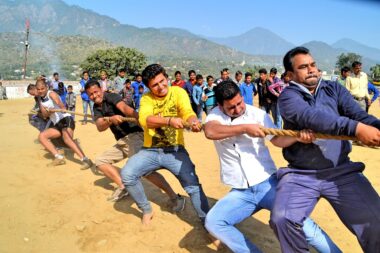
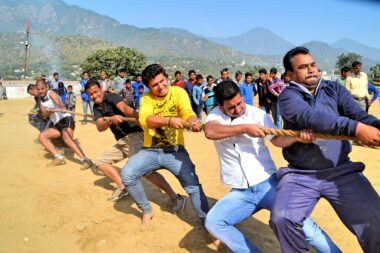
Tug of War stands tall as one of the quintessential team sports, promoting not only physical strength but also leadership skills. The sport involves teams competing to pull a rope in opposite directions, showcasing elements of strategy, teamwork, and resolute determination. Engaging in this sport allows participants to grasp the value of communication, as team members must coordinate their efforts to achieve victory. Additionally, each player must recognize their strengths and weaknesses within the group, enhancing collaborative skills. This intricate balance creates an opportunity for leadership to flourish, as individuals learn to motivate and inspire each other while facing the challenges of competition. Furthermore, participating in Tug of War can bolster resilience, allowing individuals to cope with pressure effectively. This sport is not just about physical prowess; the mental fortitude it builds is equally important. By understanding the significance of strategic movements during competition, players cultivate decision-making skills that will serve them well beyond the field. Overall, the dynamics involved in this engaging team sport prepare individuals to assume leadership roles in various aspects of life.
The Importance of Teamwork
Teamwork in Tug of War is the paramount element that dictates success or failure. Unlike individual sports, where personal scores might reign supreme, Tug of War depends entirely on collective effort. Each member plays a crucial role, from the anchor who provides stability to the frontliners who charge with vigor. The combined strength of the team, rather than individual strength alone, propels the rope and can lead to victory. Within the context of teamwork, trust becomes foundational. Players must trust each other implicitly to execute coordinated pulls, fostering a sense of unity and camaraderie that often extends beyond the field. The subtle strategy employed in the sport, such as timing and rhythm, enhances the need for synchrony among team members. Beyond mere competition, this shared experience fosters long-lasting relationships, teaching participants that collaboration yields more significant results than individual efforts can achieve. Through this shared journey, players not only promote physical fitness but also develop social skills. This blend of abilities will serve to equip players for both personal and professional endeavors, emphasizing the lifelong benefits of teamwork learned through Tug of War.
Preparedness and strategy play a significant role in Tug of War games. Each team must devise techniques and plans before they even step onto the field. Collectively assessing the opponents’ strength allows teams to formulate effective strategies that elevate their chances of winning. Preparation is crucial; teams gather beforehand to practice techniques that enhance grip strength and cohesive pulling tactics. Each member must recognize their individual strength and pinpoint how they can best contribute to the team’s strategy. Vital discussions occur among team members during practice, as they share tips and improvements, bolstering the effectiveness of teamwork. Visualizing the competition can serve as motivation; imagining defeating a formidable opponent also imprints anticipation onto the training sessions. Emphasizing strategic planning promotes critical thinking, where players hypothesize various scenarios that could arise in matches, preparing them to adapt to changing dynamics. Moreover, analyzing past performances provides insight into ongoing enhancements and tweaks for future efforts. Ultimately, this deep dive into strategy and preparedness manifests not just on the field but also aids team members in future pursuits where planning and communication are paramount.
The Role of Leadership in Tug of War
Bestowing confidence on others is a core responsibility of leadership, especially within the context of Tug of War. Leaders emerge organically within teams, not necessarily defined by titles but through their actions and the respect they command. A strong leader’s ability to communicate effectively and inspire teammates can make a significant difference in the team’s overall performance. Such individuals help build morale and ensure that everyone stays focused, especially during challenging moments. They assess the energy of the team, adjust strategies on the fly, and implement motivational tactics that uplift spirits. While everyone contributes to pulling the rope, it’s the leader’s role to coordinate individual strengths harmoniously. Leadership also entails responsibility; leaders must remain accountable for their team’s success and failures, promoting a culture of collective growth. In rising to the occasion, leaders demonstrate resilience, which sets a standard for teammates. By taking the lead, they create an environment where others feel empowered to step up and develop their leadership qualities as well. This sport provides a unique platform for honing these skills that benefit participants in countless future scenarios.
A different aspect of Tug of War that merits discussion is the impact of physical fitness on personal health. Regularly participating in this sport requires players to engage in strength training, enhancing their physical ability to withstand pulling forces. Team members build muscle, improve cardiovascular fitness, and bolster endurance, all beneficial for health purposes. Consequently, players become more aware of their bodies and can identify strengths and areas for improvement. Engaging in Tug of War as an intense physical activity offers an effective method for burning calories, promoting weight management, and enhancing overall fitness. Furthermore, it’s a thrilling way to socialize, as the spirit of friendship thrives within a competitive frame. The excitement that accompanies each pull fosters community and bonding among participants, providing an ideal environment for maintaining a healthy lifestyle. Players are encouraged to perform warm-up exercises and stretching routines to prevent injuries, thus establishing a routine that prioritizes health and safety. Over time, the physical demands create not only stronger individuals but a culture that cherishes health, teamwork, and personal development among colleagues and friends.
Lessons Learned from Tug of War
Tug of War extends far beyond competing; it imparts vital life lessons that resonate in various life avenues. One key lesson is the significance of consistent practice; mastering any skill requires dedication and perseverance. Team members soon realize that effort is necessary to improve performance, instilling resilience among players. Facing defeat is another learning curve; it encourages players to analyze what went wrong and how to improve for next time. Feedback becomes essential to this process, as honest evaluations help refine techniques and strategies. The experience of loss, framed positively, teaches humility and respect for opponents, fostering sportsmanship. Similarly, victories anchor self-confidence, fostering a belief in oneself and the collective team. The constantly shifting dynamics within the game reflect the unpredictability of life, reminding participants to adapt and overcome setbacks. These lessons, learned through both triumphs and challenges, equip players with invaluable skills for navigating real-world experiences. Ultimately, Tug of War serves as a microcosm for life, illustrating the principles of teamwork, perseverance, and contextual adversity, which players can leverage in numerous future opportunities.
In conclusion, Tug of War is much more than a contest of strength; it serves as an influential arena for developing critical leadership skills. Participants experience firsthand the power of teamwork, strategizing, and the invaluable lessons gained through victories and defeats. Engaging deeply with this sport prepares individuals for various aspects of life, helping them cultivate skills that extend far beyond the field. The interactions among team members foster friendships that exemplify the essence of collaboration, also resulting in enhanced physical fitness. As players navigate the challenges of competition, they uncover opportunities for personal growth and expertise. Leadership emerges organically among team players, asserting confidence and cohesion in their endeavours. Schools, community groups, and organizations can harness the benefits of Tug of War, utilizing it as a tool for fostering leadership and teamwork. By incorporating this exciting and dynamic sport, not only can individuals develop physically, but they can also emerge as well-rounded individuals ready to embrace future challenges. As Tug of War continues to draw participants, its legacy as a powerful medium for cultivating skills endures.