
Combining Cardiovascular and Strength Training for Golf Excellence
Golf requires a unique blend of physical abilities, combining strength, endurance, flexibility, and coordination to ensure optimal performance. To achieve golfing excellence, players must enhance their overall fitness, incorporating both cardiovascular and strength training exercises. Cardiovascular training improves stamina, allowing you to maintain energy and concentration throughout your round, while strength training focuses on building the muscles used in every golf swing. A balanced fitness program can lead to increased swing power and reduced injury risks. The core muscles play a crucial role in stabilizing your swing; therefore, exercises targeting the core are vital in this routine. Common cardiovascular exercises like running, cycling, and swimming can significantly enhance aerobic capacity, which is essential for sustained performance. In contrast, strength training with weights helps develop muscle groups involved in swinging the club. Integrating these two types of training creates synergy that translates into performance benefits on the golf course. The goal is to work on both endurance and strength simultaneously, providing a holistic approach that covers every aspect of physical fitness necessary for golfing success.
Cardiovascular Benefits for Golf Performance
Engaging in cardiovascular training can lead to significant improvements in golf performance. Increasing your stamina is essential for maintaining focus and energy during long rounds on the course. For instance, if a golfer is out of shape, fatigue may set in after just a few holes, leading to decreased performance and increased mistakes. Incorporating activities such as running, brisk walking, or cycling into your routine can enhance heart health and lung capacity. This results in better blood circulation throughout the body, improving oxygen delivery to the muscles used in golfing. Moreover, improved cardiovascular health can lead to lower resting heart rates and increased endurance during play. Longer endurance helps maintain proper swing mechanics as fatigue sets in. In addition, being fit enhances recovery time post-play. Golfers should aim for at least 150 minutes of moderate aerobic exercise weekly, ideally spaced throughout the week. Combining aerobic activities with your regular golf practice will ensure that you stay in peak condition, ready to tackle any course challenge with energy and focus.
Integrating Strength Training into Your Routine
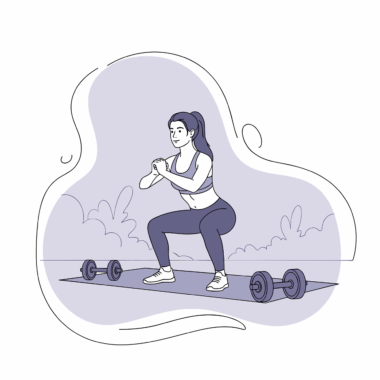
Strength training, particularly for golfers, emphasizes key muscle groups essential for executing powerful swings. Golfers benefit from exercises focusing on the legs, core, and upper body, fostering not only increased power but also stability during swings. Adding exercises such as squats, lunges, and deadlifts helps develop leg strength, contributing to a solid foundation during swings. Core exercises, including planks and rotational movements, ensure strong stabilization, allowing for transfer of strength during the swing. Upper body workouts, involving the shoulders and arms, can enhance swing speed and control. Resistance bands or free weights are ideal tools for effectively building strength specific to golf. Incorporating a strength training regimen two to three times a week is recommended for most golfers. It is essential to focus on form and gradually increase weights to prevent injury. Adequate rest between sessions helps muscles recover and grow. The right combination of exercises ensures that golfers improve their overall strength and golfing performance, as the body adapts to the increasing loads, leading to better results on the course.
To achieve the full benefits of combined training, golfers must strike a balance between cardiovascular and strength workouts. This synergy allows players to work on their stamina while simultaneously increasing muscle strength tailored specifically for the demands of a golf swing. A well-rounded program might include alternating days between cardiovascular exercises and strength training sessions. A sample weekly plan could involve three days of cardiovascular training, followed by two to three days of strength workouts. For cardiovascular exercises, consider incorporating interval training to maximize your training time and improve aerobic capacity efficiently. For strength workouts, focus on compound movements that engage multiple muscle groups. Be mindful to include flexibility training to promote sweating technique and overall mobility. Flexibility is crucial in golf as it facilitates greater swing range and better posture. Using foam rollers and static stretching can also aid in recovery. Post-workout nutrition plays a vital role in muscle recovery and energy replenishment; a balanced diet rich in protein, carbohydrates, and healthy fats is essential for optimized performance on the golf course.
Tracking your progress is essential in any fitness regime, especially when training for a specific goal like improving your golf game. Utilize wearable technology or fitness apps to monitor your activities, heart rates, and strength training progress. Additionally, setting measurable goals can provide motivation and direction. For example, aim for a particular distance covered in a cardio session or the weight lifted in strength training. Understanding your baseline fitness level will enable you to notice improvement over time. With proper records, you can adjust your exercise and training frequency as needed to optimize your workouts. Always remember to allow yourself adequate recovery time between workouts, as the body needs to adapt and strengthen. It is also helpful to seek feedback from a golf coach or fitness trainer, who can help refine your strengths and address weaknesses in your training. Their expertise can further tailor the program based on your individual needs and goals. Staying hydrated, eating well, and ensuring quality sleep further support the training undertaken in and out of the gym.
Mental fitness is another crucial aspect that often goes unnoticed in physical training for golf. A strong mental game complements physical readiness, allowing players to stay focused under pressure. Mindfulness practices such as yoga or meditation can enhance mental fortitude, promoting a calm, focused mind during play. Visualization techniques can further develop pre-swing routines that allow for better execution under competition conditions. Approaching golf with the right mindset can transform how you play and practice; confidence can directly influence performance. To create a mental edge, players might also work on their breathing techniques, which can significantly affect stress levels on the course. Try deep breathing exercises to relax before making a swing. Furthermore, setting realistic yet ambitious goals fosters a productive environment for growth. A positive confiding mechanism encourages you to view challenges as learning opportunities, not obstacles. For golfers, cultivating both physical and mental fitness through a comprehensive training program increases the likelihood of achieving excellence on the course. Taking the time to develop both aspects ensures a balanced golfer ready to tackle any challenge.
Lastly, understanding the importance of flexibility in your training routine cannot be overstated. Flexibility aids in maintaining a full range of motion, crucial for executing an effective swing. With the repetitive nature of golf swings, muscle flexibility is key to preventing injuries. Incorporating activities such as yoga or Pilates can significantly improve flexibility, as both emphasize stretching and core strength. Regular stretching can also help maintain joint health and combat muscle tightness. Static stretching should be performed post-workout to prevent stiffness and enhance recovery. Dynamic stretching before a golf round has proven beneficial, preparing muscles for the movements they will perform during play. Take the time to include a solid warm-up routine before heading out to the course. Mobility drills can enhance the body’s overall functionality. Ultimately, maximizing your performance through a balanced approach of strength training, cardiovascular work, and flexibility will not only improve your game but ensure that you enjoy the sport for years to come. Learning to listen to your body and recognizing signs of fatigue will guide you to healthier workouts and success.
In conclusion, developing advanced golf fitness through a combination of strength and cardiovascular training is essential for any golfer aspiring to reach their peak performance. A balanced routine enhances endurance, builds strength, prevents injuries, and enriches the overall golfing experience. Every golfer, whether a beginner or advanced player, should prioritize physical fitness as a foundation for improving their game. Implementing a regimen that includes both cardiovascular workouts and targeted strength training exercises will create a powerful synergy. Golf is as much a mental game as it is physical, so integrating mental fitness techniques can help players excel under pressure. Guided techniques, along with a focus on flexibility and recovery, rounds out a comprehensive approach that can make all the difference. As you embark on your journey towards golf excellence, track your progress, stay consistent, and be patient with yourself. Remember to have fun while striving for betterment, as enjoying the process is vital in sports. Consider seeking professional guidance to create a personalized plan tailored to your unique needs and goals. With the right training components in place, reaching the next level in your golf performance is entirely achievable.