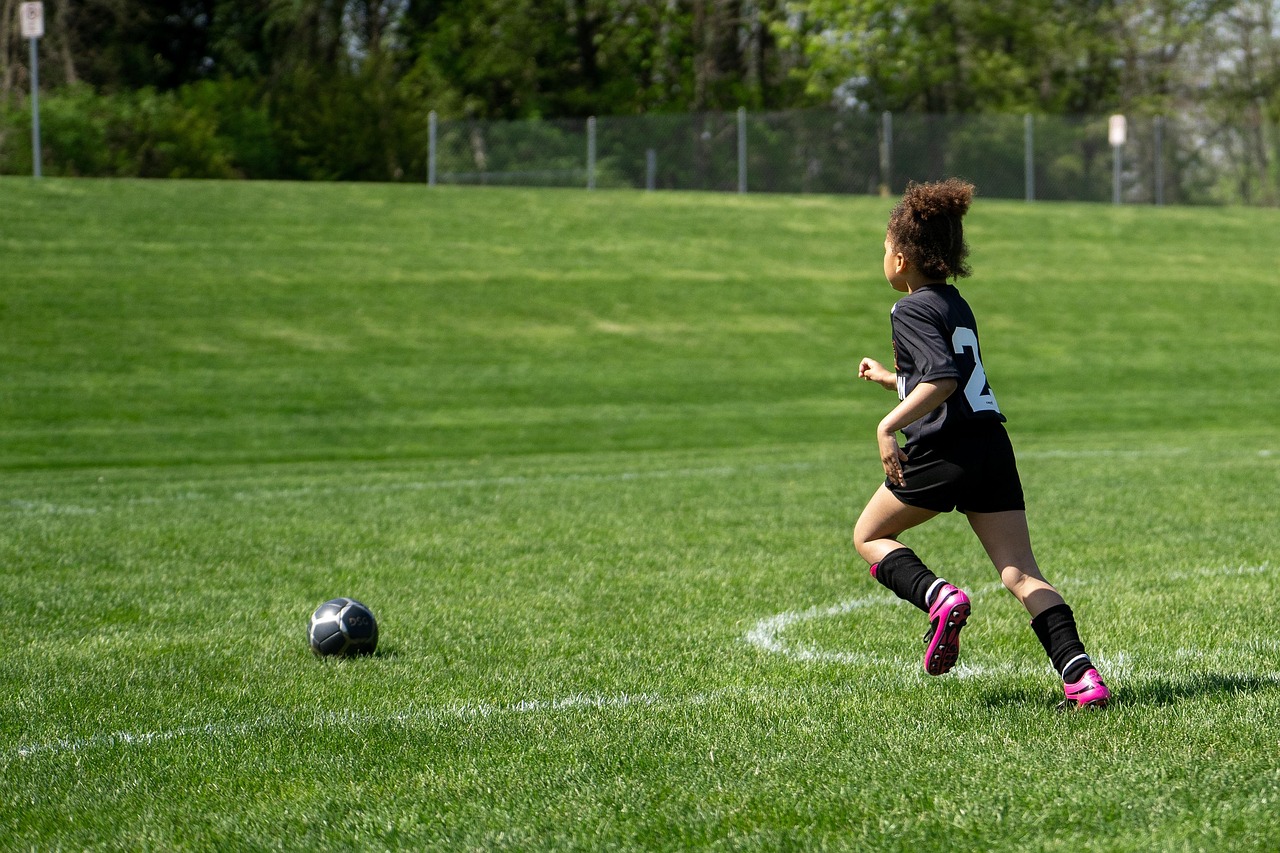

Improving Football Balance and Coordination with Functional Workouts
Football requires a mix of agility, strength, and balance that can be improved significantly through functional training. This type of training focuses on exercises that mimic the movements players make during a match, allowing them to develop skills relevant to the sport. Such exercises not only enhance performance on the field but also reduce injury risks by strengthening the body’s stabilizing muscles. Incorporating balance exercises and coordination drills into a weekly training schedule can dramatically improve a player’s ability to control the ball and position themselves effectively during gameplay. Some effective exercises include single-leg stands, resistance band drills, and agility ladder workouts. By consistently practicing these movements, players will notice improvements in their footwork, decision-making, and overall playing style. Functional training should be progressive, increasing in complexity as players advance. A well-rounded fitness program for footballers includes elements of endurance, strength, flexibility, and ultimately balance. The goal is to create a functional enhancement that translates seamlessly into match performance, supporting both offensive and defensive plays.
One popular method for developing balance and coordination through functional workouts involves using unstable surfaces. For instance, exercises performed on Bosu balls or balance boards can considerably challenge a player’s stability. These surfaces require constant adjustments and recruit multiple muscle groups, making workouts more effective. Performing squats, lunges, or push-ups on these tools helps simulate real-life dynamics experienced in football matches, where players must quickly adjust their positioning based on various factors. Moreover, adding dynamic movements like twists and turns while balanced on these surfaces can enhance coordination significantly. This method mimics the physical demands faced during a game, where sudden directional changes are crucial. Including unstable surface workouts into regular training not only elevates physical capabilities but also boosts confidence, providing players with a greater sense of control during matches. It’s important, however, to approach these workouts with caution. Beginners should start slow to avoid injury and ensure proper form. As strength and coordination improve, players can gradually increase intensity and complexity. Effective coaching is essential, focusing on correct techniques to enable all athletes to gain the most benefit from unstable surface exercises.
Incorporating Plyometric Exercises
Plyometric exercises can significantly contribute to footwork and explosiveness in football. These workouts involve quick, powerful movements designed to increase speed and strength while simultaneously enhancing balance. Typical examples include box jumps, burpees, or hurdle hops, which require both control and coordination. When executing these drills, players develop better neuromuscular connections, improving their responsiveness during games. High-intensity interval training (HIIT) can incorporate these plyometric exercises efficiently, creating a fitness regimen that works both aerobic and anaerobic systems. Each repetition challenges different muscle groups, promoting efficient and effective movement patterns that directly translate to improved performance on the pitch. Additionally, ensuring adequate recovery after these workouts is crucial to minimize injury risks and promote muscle growth. Emphasis should be placed on maintaining proper form throughout these exercises to maximize benefits and minimize potential harm. Consistency, combined with a solid coaching strategy, will yield the best results. To monitor progress, players can set goals for the number of repetitions or the height of the jumps, allowing them to evaluate their improvement over time.
Another important aspect of functional training for football players is incorporating strength training into the workout routine. Strength training not only builds muscle but also significantly enhances a player’s functional movement capabilities. Specific exercises, like squats, deadlifts, or kettlebell swings, focus on major muscle groups relevant to athletic performance. This type of strength development helps ensure that players can better control their bodies during matches, especially in challenging situations requiring quick movements or changes in direction. Moreover, building core strength is paramount in soccer, as it aids with stability and balance when coordinating various technical skills. A strong core allows players to maintain their position while handling physical confrontations, reducing the chance of falls or injuries. To further improve balance and coordination in strength training, players can try incorporating bands and stability balls, facilitating a focus on muscle control. Periodization, or varying the intensity and volume of strength exercises throughout a season, is a good strategy to optimize performance and ensure constant improvement without the risk of overtraining.
The Role of Agility Training
Agility training is crucial for football players as it significantly enhances their ability to change direction quickly and efficiently. When combined with proper functional workouts, agility drills improve coordination and overall balance while cutting and sprinting. Drills such as cone drills, ladder drills, or shuttle runs offer practical ways for players to improve their foot speed and reaction times. Integrating these drills into regular training sessions ensures that players develop reflexive movements that are essential during matches. When players receive feedback while performing these drills, they can also adjust their technique to achieve better outcomes. Moreover, conducting agility exercises in game-like scenarios can further bridge performance capabilities. For instance, small-sided games or obstacle courses challenge players to navigate while making quick decisions. Additionally, working on lateral movements and pivots will enhance their engagement during play. It’s important to design these agility workouts specific to the position a player holds on the field, targeting the skills most relevant for various gameplay roles. An agile player can consistently maintain control over their actions, creating advantages over opponents.
Recovery plays a critical role in any functional training plan aimed at improving football balance and coordination. Athletes must be diligent about incorporating rest periods to allow their bodies to recover effectively. This may include stretching, foam rolling, or low-impact activities like swimming or yoga, which help cut down muscle tightness and soreness. Proper nutrition is equally vital for recovery, as it fuels muscles and addresses energy depletion during intense training sessions. Incorporating adequate sleep each night is also a significant factor in recovery efficiency, enhancing overall performance. When players prioritize recovery, they’ll find that their bodies respond more positively to training stimuli. This can lead to consistent improvements in balance, coordination, and overall athletic performance. Players should consider scheduling dedicated recovery days in their training plans, focusing on reducing overall physical stress on their bodies. This ensures that they are ready and energized for subsequent high-intensity workouts. By paying attention to recovery, soccer athletes can maintain their progress in functional training while safeguarding their health and minimizing injury risks.
Track and Monitor Your Progress
To ensure that football players reap the full benefits of functional training, tracking progress over time is essential. Keeping a workout journal or utilizing training apps helps players maintain awareness of their improvements in balance and coordination. Recording specific exercises, number of repetitions, and even subjective feelings post-workout allows for detailed analysis of effectiveness. Additionally, periodically testing agility and balance through established assessments can help quantify gains and provide motivation. Understanding how they improve can boost players’ confidence and inspire them to continue working hard. To evaluate their progress comprehensively, players should celebrate achievements, no matter how small, and set new goals. It’s important to recognize that improvement takes time and consistency. Players must commit to their training regimen and remain patient. Enlisting a workout partner or joining a training group can cultivate a supportive environment, further elevating motivation levels. Regular assessments, goal evaluations, and celebrating milestones are all effective strategies to keep players engaged and focused. By embracing a proactive approach to their skills, they can enhance their performance across all aspects of football.
In summary, focusing on balance and coordination through functional workouts in football training offers significant advantages. Not only does it improve individual performance, but it also enhances overall team dynamics. When players develop better balance and coordination, their ability to react during high-pressure situations is significantly improved. Functional training creates a holistic approach to fitness that considers sport-specific movements, allowing athletes to engage effectively on the field. This, combined with strategic elements such as recovery, regular assessments, and agility drills, builds a solid foundation. From plyometric exercises to strength training, each aspect plays a pivotal role in shaping a football player’s capabilities. Emphasizing the importance of versatility in training can lead to better adaptability in gameplay, making for a more competitive sport. Ultimately, players who commit to functional training can better navigate the intricacies of football, enjoying improved performance and fewer injuries. By acknowledging the dynamic nature of the game, players enhance both their skills and overall love of football. Moving forward, embracing these methods will provide lasting benefits that extend beyond the pitch.