
Adapting Swimming Techniques for Different Water Temperatures
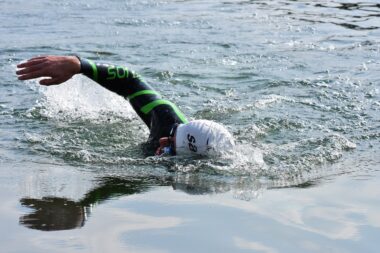
Swimming is a crucial aspect of triathlon training, and water temperature can significantly impact performance and technique. Athletes often encounter various water temperatures, ranging from chilly lakes to warmer ocean waters. Adjusting swimming techniques to suit these temperatures is essential for optimum performance. For colder water, a swimmer must prioritize staying warm and maintaining body temperature. Techniques such as hypothermic breathing and efficient strokes help in these conditions. Wetsuits can also be advantageous, providing both insulation and buoyancy. When swimming in cold water, it’s imperative to focus on reducing drag, which can be achieved by keeping a streamlined position. On the other hand, warmer waters can lead to overheating, causing exhaustion. To adapt, swimmers should focus on maintaining cool breathing patterns and hydrating adequately before and during swims. It’s also wise to locate shade or cooler areas post-swim to rejuvenate. Swimmers must continually assess their own comfort levels and adjust their techniques accordingly to ensure sustained energy throughout the swim segment of a triathlon. Understanding how temperature impacts performance can make a significant difference in race outcomes.
In addition to adopting appropriate techniques for various water temperatures, swimmers should consider how acclimatization plays a critical role in performance. Acclimatization involves gradually exposing oneself to different water temperatures, allowing the body to adapt more effectively. For instance, if training begins in cooler water, gradual exposure before the race can improve comfort levels and prevent shock during competition. Techniques such as incremental dips into cold water, followed by controlled breathing exercises, can help ease this transition. Conversely, acclimatization to warmer waters will also depend on proper hydration and tailored training programs. Swimmers can benefit from brief swims in higher temperatures to prepare their bodies. This approach helps develop tolerance and increases overall endurance, vital for triathlons. Additionally, practicing buoyancy techniques can assist swimmers in finding their optimal body position, which is crucial for efficiency in any temperature. Moreover, utilizing the right gear—like thermal caps in cold water or lighter suits in warmer conditions—enables improvement in swimming technique and overall performance. Therefore, understanding these acclimatization methods is crucial for successful triathlon preparation and enhancing race day experience.
Essential Gear Adjustments for Temperature
Choosing the right gear is fundamental for triathletes, particularly concerning various water temperatures. Wetsuits provide thermal insulation in cold conditions and can drastically improve buoyancy for some athletes. The proper wetsuit thickness can vary according to temperature, where 3mm is generally sufficient for temperatures above 68°F. As the water grows colder, opting for thicker wetsuits becomes necessary. Additionally, accessories such as neoprene caps and booties can offer extra protection. These items help maintain body temperature and improve comfort levels during colder swims. For warmer water, opting for lighter swimwear is ideal. Less restrictive swimsuits help regulate body temperature while promoting optimal body movements. Hydration packs are also beneficial for long-distance swimmers. The choice of fabric and fit plays an essential role in performance, as the athlete must feel unrestricted. In any instance, it is advisable to test gear before event day, ensuring it suits individual swimming style and comfort. Taking time to experiment with gear can positively influence swimmers’ performance, allowing them to focus solely on technique and not on discomfort during the race.
Nutrition is another critical factor that impacts a swimmer’s ability to adapt to different water temperatures. Proper pre-swim nutrition can significantly enhance performance through various temperature ranges. In colder waters, consuming energy-dense foods, such as bananas and oatmeal, can provide essential fuel during the swim. These foods offer sustained energy and are easily digestible, minimizing the risk of energy dips during the race. It’s crucial to avoid heavy meals, as they may cause discomfort in the water. On the other hand, when swimming in warmer temperatures, carbohydrate-rich snacks and electrolyte drinks can be beneficial to avoid dehydration. Before heading into the water, athletes should prioritize hydration to complement their nutritional intake. Consuming water-rich fruits, such as watermelon or oranges, serves to optimize hydration levels naturally. Additionally, post-swim recovery snacks are vital for replenishing lost energy. High-protein snacks like protein bars or smoothies can restore muscle energy and facilitate faster recovery. Keeping in mind the nutritional demands of varying temperatures helps swimmers perform at their best and mitigates the effects of hydrating challenges.
Adjusting Training Routines
Altering training routines based on water temperatures can optimize preparation for triathlons. Swimmers should focus on different drills when training in various temperatures. For instance, in colder waters, emphasize drills that build endurance and efficiency, as these will be crucial on race day. Extended sets that encourage pacing help acclimatize the body to the conditions and prepare it physiologically. In warmer temperatures, however, athletes may prioritize shorter, more intense training exercises, focusing mainly on speed. Interval training can enhance anaerobic capacity, making the body more adaptable. Moreover, integrating drills that encourage quicker stroke rates helps maintain efficiency while keeping cool. It is also beneficial to include rest periods in warmer conditions to allow for recovery and hydration. Incorporating open-water swims into training routines can also mimic actual race conditions, allowing athletes to practice adapting quickly to evolving temperatures. Understanding how to customize training regimens promotes resilience during race day transitions. Ultimately, diversifying training routines based on temperature allows athletes to prepare effectively for the unique challenges associated with triathlon swimming.
Furthermore, safety measures are paramount when swimming in varying temperatures. Assessing environmental conditions before entering the water can drastically affect an athlete’s experience. Observing local weather reports and recognizing temperature thresholds is crucial to mitigating risks. Awareness of underlying conditions such as currents, visibility, and tides can make water swimming safer. Additionally, swimmers should pay attention to physiological signs of their bodies while in colder conditions. Experiencing significant shivering or fatigue may indicate the onset of hypothermia. For warmer waters, signs of heat exhaustion like dizziness and nausea should not be ignored, as they may pose serious risks. It would be wise to swim accompanied by a teammate for safety, especially in unfamiliar waters. Engaging in structured warm-up routines before entering the water can also help reduce injury risks. Monitoring hydration levels is a must, particularly in extended swim training sessions. Establishing clear recovery protocols post-swim ensures athletes maintain their bodies’ readiness for the next workout session. By prioritizing safety, athletes can focus more on adapting to water temperatures without compromising their health.
Evaluating Performance in Different Waters
Lastly, evaluating performance after swims in different water temperatures can provide valuable insights for future preparations. Athletes should document their experiences during training sessions, focusing on techniques that worked well versus those that did not. Specific metrics like lap times, stroke efficiency, and any physical discomfort observed can help fine-tune future training regimens. Utilizing tools such as heart rate monitors can provide a quantitative assessment of how the body responded to various temperatures. Observing the cumulative fatigue and energy expenditure is essential for gauging performance confidence. Analyzing performance metrics allows athletes to adjust their approaches to warm and cold water swims strategically. Furthermore, feedback from professional coaches can offer a different perspective that aids improvement. Collaborating in swim sessions enables team members to share tips that enhance techniques and efficiencies. Keeping records can also highlight individual progress over time, motivating athletes to continue refining their skills. Understanding performance implications in diverse water temperatures allows for better preparation during race day, ultimately improving overall triathlon success.
In summary, adapting swimming techniques for differing water temperatures involves multiple considerations. From customizing gear and nutrition to concerning training routines and safety measures, athletes must pay attention to these elements. Understanding how temperature affects performance can help build resilience during events. Taking the time to acclimatize to these temperatures ensures swimmers can compete effectively and confidently. By continually evaluating and adjusting these tactical components, triathletes will be better equipped to handle the challenges posed by competition water. Athletes should embrace changing temperatures as opportunities to improve their swimming prowess. Therefore, whether it’s the icy waters of a lake or the warm embrace of an ocean, being prepared will impact performance substantially. Employing the insights discussed guarantees a more focused approach to swimming techniques. Finally, having a comprehensive strategy for every water temperature will serve in not just achieving success but also enjoying the process of training and racing. In sum, mastering the art of water temperature adjustments is a game changer for triathletes striving for peak performance.