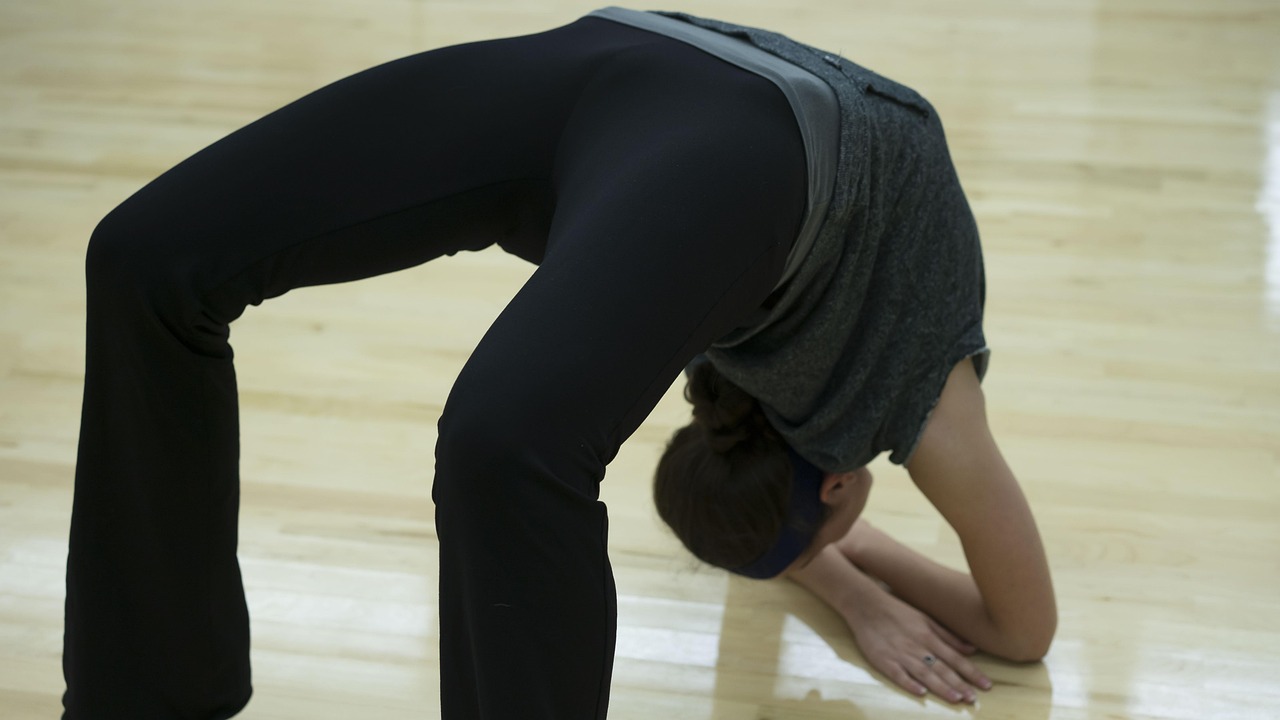

Tracking Flexibility Progress for Tennis Players
Flexibility is crucial for tennis players, as it impacts performance, reduces injuries, and enhances overall mobility on the court. Implementing a systematic approach to track flexibility progress can significantly contribute to a player’s success. To start, assessing current flexibility levels involves performing various tests that measure joint range of motion in key areas like the hips, shoulders, and lower back. These initial assessments provide a baseline measure, helping identify specific areas that may need improvement. Regular monitoring is essential, as it allows players to set realistic flexibility goals, adjusting training routines as necessary. Additionally, utilizing a combination of dynamic and static stretching routines can optimize flexibility gains over time. Incorporating these routines into warm-ups or cooldowns encourages muscle elasticity and joint mobility. Players should maintain a dedicated log or journal to record their assessments frequently. This strategy not only motivates them but also highlights improvements and setbacks clearly. Visualization of progress fosters a positive mindset. Ultimately, tracking flexibility ensures players remain informed about their physical abilities, allowing for tailored training approaches that align with their individual needs. Consistency in routine and proper assessment are key to mastering flexibility for tennis success.
To enhance flexibility effectively, tennis players should also consider the importance of individualized training programs. Every player is unique, possessing distinct physical attributes and flexibility requirements. Therefore, a one-size-fits-all approach is not effective. By working with a fitness professional, players can receive tailored flexibility training that addresses their specific needs. This professional assessment helps identify musculoskeletal imbalances, which can impede flexibility and ultimately performance. Additionally, employing tools such as foam rollers, resistance bands, or yoga blocks can improve flexibility while reducing muscle tension. Incorporating these tools into workouts promotes a more dynamic stretching approach. Consistency in practice is necessary; players should aim for flexibility training sessions at least three times per week. Furthermore, nutrition plays a vital role in supporting the body’s flexibility development. Consuming a balanced diet rich in essential nutrients, including protein, vitamins, and minerals, ensures muscles are adequately fueled. Hydration cannot be overlooked, as it aids tissue elasticity. Incorporating recovery methods like massage or hydrotherapy can also enhance flexibility. In summary, an individualized approach combined with effective tools and nutrition significantly propels a player’s flexibility progress.
Key Flexibility Exercises for Tennis
Several specific flexibility exercises can significantly benefit tennis players. Incorporating a variety of stretches focusing on major muscle groups enhances flexibility, ultimately improving on-court performance. Stretching exercises such as the seated hamstring stretch target the hamstrings effectively, promoting mobility essential for swift court movements. Dynamic stretches, like leg swings, can improve hip flexibility and overall muscle readiness before matches. Moreover, the butterfly stretch effectively opens up the hips, another critical area for athletes. The trunk twist is another essential stretch, promoting spinal flexibility, helping players to rotate effectively during their strokes. Yoga poses such as downward dog and pigeon pose enhance upper and lower body flexibility, contributing to improved athletic performance. Additionally, players should pay attention to shoulder and wrist flexibility, incorporating stretches aimed at these areas as well. A full-body flexibility routine should be routine practice for players to improve range of motion. Regular practice of these exercises contributes to overall athletic performance in tennis. Therefore, players’ integration of targeted flexibility exercises into their training regimes is vital for success and ultimately fosters an injury-free athletic career.
Monitoring progress is equally as important as engaging in flexibility exercises. Players should perform regular assessments to evaluate their flexibility improvements accurately. Post-assessment, they can adjust their training plans based on results, ensuring they remain aligned with their individualized goals. This practice helps in maximizing training effectiveness and encouraging players to remain dedicated to their flexibility routines. Moreover, players can establish performance metrics they will measure regularly, making adjustments where necessary to ensure continual improvement. Documenting progress visually can also motivate players, aiding them in recognizing their hard work’s benefits. Creating graphs or charts to track flexibility progress significantly enhances a player’s understanding of how their flexibility has developed over time. In addition to physical measurements, players should evaluate on-court performance as a secondary metric, as improved flexibility should reflect in their gameplay. Increased range of motion can enhance shot accuracy and overall speed. Regular evaluations foster accountability, as players witness firsthand how adjustments in their flexibility routines impact their performance. Overall, structured monitoring of flexibility helps maintain motivation. It is fundamental in achieving optimal athletic performance on the tennis court for each player.
Injury Prevention Through Flexibility
Maintaining adequate flexibility can significantly reduce the likelihood of injuries among tennis players. Injuries, especially of the muscles and joints, often occur due to tightness or inadequate range of motion. Thus, flexibility training serves as a preventive measure that allows players to perform at their best. Stretching routines help promote muscle elasticity, making muscles less likely to strain during high-performance activities. Furthermore, flexibility fosters better coordination; players can achieve more effective movements with overall improved joint function. Indeed, many tennis injuries stem from excessive tension impacting muscle and joint performance. Engaging in a regular flexibility routine places players at a lower risk of strains or sprains, particularly in the lower back, which is frequently vulnerable in this sport. Additionally, incorporating recovery practices, such as post-training stretches and cooldowns, facilitates improved recovery rates. Players should not underestimate the long-term value of flexibility in their training as it relates to injury prevention. Establishing this routine and prioritizing flexibility within their overall fitness regimen fosters a sustainable tennis career. Awareness of how flexibility impacts both performance and injury prevention is critical for every committed athlete.
The role of flexibility cannot be overstated in enhancing athletic performance in tennis. As players engage in rigorous training and competition, their bodies undergo continuous stress and strain. Developing flexibility helps alleviate this pressure, allowing players to move with greater ease. Improved flexibility leads to superior agility on the court, enabling athletes to reach challenging shots effortlessly. Proper stretches increase blood flow to crucial muscles, ensuring they are adequately warmed up and ready for action. Furthermore, flexibility positively impacts stroke mechanics. The ability to move fluidly helps players execute shots with precision while minimizing undue strain on the body. Outpacing opponents relies heavily on a player’s ability to change direction quickly, which advanced flexibility supports. Additionally, by improving stability through enhanced core flexibility and strength, players can maintain optimal balance while executing shots. In many cases, the quality of movement has a direct correlation with the level of success players achieve during matches. Thus, players seeking to improve their performance should prioritize flexibility training in their routines. By acknowledging and harnessing the power of flexibility, tennis players can significantly elevate their game.
Conclusion: Sustaining Flexibility Practices
In conclusion, training flexibility remains an integral component of a tennis player’s overall fitness strategy. Regular assessments, individualized training programs, and effective monitoring practices yield significant dividends for players by promoting flexibility improvements while preventing injuries. Players should embrace flexibility routines, combining targeted stretching exercises and suitable tools to enhance performance on the court. The synergy of flexibility and overall athletic capabilities enhances players while enabling them to enjoy their passion for tennis fully. Alongside strength and conditioning, flexibility holds an indispensable place in tennis training regimens leading to success. Developing a feasible practice plan for consistency is very important, as flexibility gains result from perseverance over time. Collaborating with professional trainers or therapists can strengthen players’ mindset towards maintaining their routines. Ultimately, a commitment towards flexibility fosters an empowered athlete able to uncover their full potential. This empowers players to experience the joy and satisfaction of success naturally derived from flexibility and training dedication. In sum, passion combined with effective training leads players on the path to a fulfilling tennis career, ultimately underscoring the profound impact of flexibility on overall athletic performance.
Tracking flexibility developments proves an essential aspect of achieving tennis success. By acknowledging how pivotal flexibility is to performance and injury prevention, players can prioritize these training aspects seriously. Engaging in individualized programs and assessing progress regularly raises the likelihood of achieving optimal results. The relationship between flexibility and tennis performance cannot be dismissed; it plays a vital role in enhancing speed, agility, and coordination on the court. Ultimately, players committed to elevating their game need to make flexibility improvement a cornerstone of their training. Through dedicated practice, focused routines, and engaging assessments, players can ensure their flexibility progresses on the journey to becoming an elite tennis athlete.