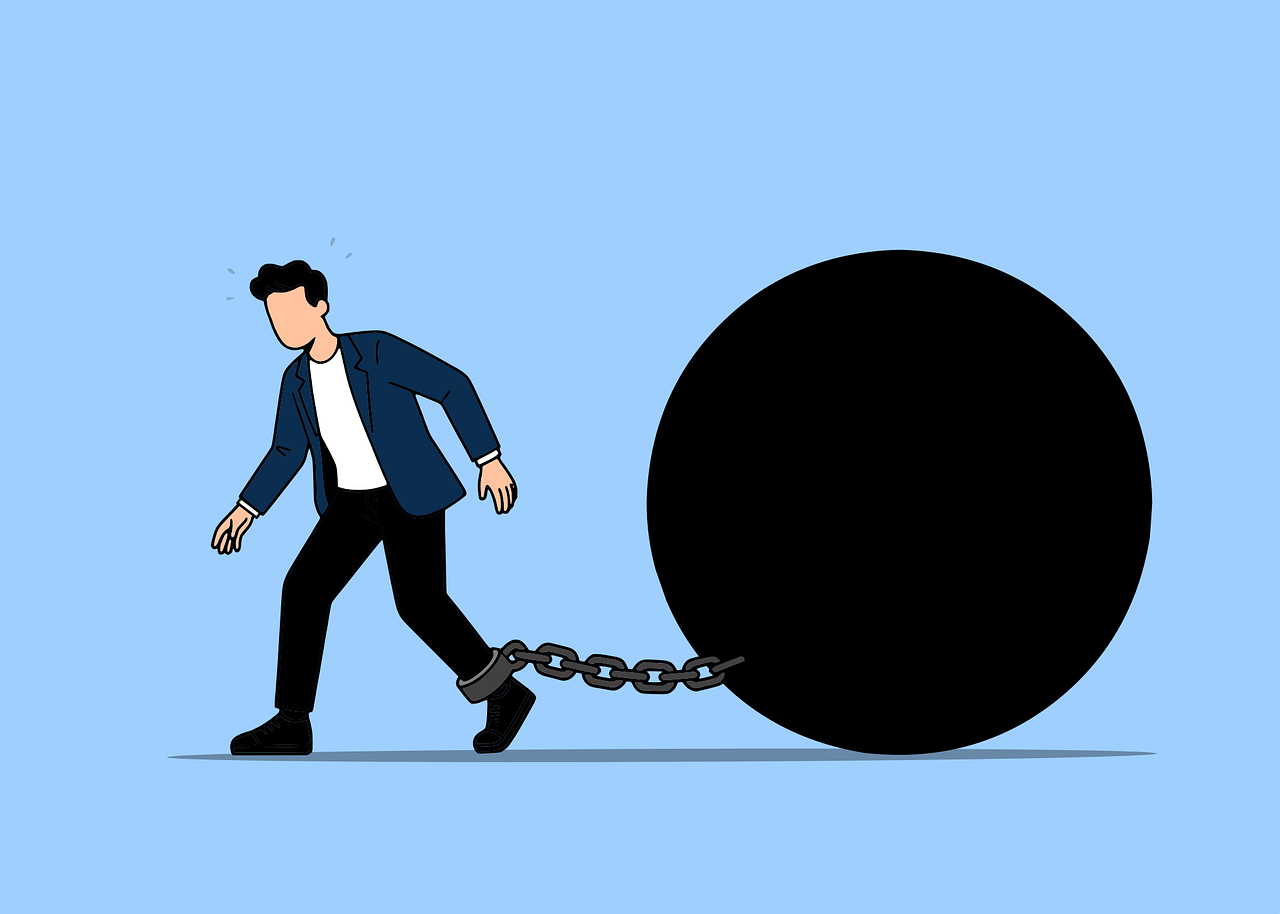

Is Stress a Barrier to Weight Loss? Myths Explained
Many people believe that stress directly prevents weight loss, giving rise to numerous misconceptions. Stress can indeed affect weight, yet the relationship is complex. The common myth claims that stress leads consistently to weight gain. In reality, while stress can result in overeating, it can also cause some individuals to lose their appetite and, subsequently, weight. Studies indicate that this varied response occurs due to physiological differences. Moreover, some individuals stress-eat, reaching for high-calorie comfort foods, which unintentionally counteracts their weight loss efforts. Alongside this myth persists the belief that managing stress through any means, such as eating or rapid dietary changes, guarantees weight loss. However, healthy weight management incorporates balanced eating and proper physical activity. Rather than seeking quick fixes, it’s crucial to adopt sustainable practices that foster a healthy lifestyle amid stressful situations. Educational resources and supportive communities should be utilized to challenge these myths and replace them with facts. It’s vital for individuals to recognize their responses to stress and explore healthier methods of coping instead of linking stress solely to weight loss barriers. This understanding can lead to empowered decision-making regarding health and wellness.
Other common myths suggest that stress is solely detrimental to weight loss, overshadowing its potential benefits. Moderate stress can invigorate focus, drive motivation, and boost performance temporarily all of which can create conditions conducive to weight loss. During balanced stress levels, adrenaline is released, which may help burn calories more effectively. Nevertheless, chronic stress has the opposite effect, leading to unhealthy eating detriments in more ways than one. This conversation often omits how different individuals respond to stress, as some thrive while others falter. Additionally, some individuals become more active in stressful circumstances, inadvertently promoting weight loss. The key component involves managing stress effectively, establishing routines that promote healthy lifestyles while acknowledging triggers that may lead to unhealthy habits. Recommendations include exercising regularly, maintaining proper hydration, and practicing self-care. Techniques such as yoga, meditation, or deep breathing can help reduce stress levels, allowing better choices concerning food and activity. By dispelling these myths, individuals may find navigating weight loss easier while fostering a healthier approach to life. Understanding that both stress management and weight loss intertwine promotes resilience, paving the way for ongoing mental and physical wellness.
Understanding Stress and Its Effects on the Body
The body experiences various physiological changes in response to stress, complicating the weight loss journey. Particularly, stress triggers the release of cortisol, the primary stress hormone. Elevated cortisol levels can prompt increased appetite and cravings for high-calorie foods. This hormone also influences fat distribution, traditionally leading to fat accumulation in the abdominal region. While cortisol has essential roles in body functions, chronic elevation fosters adverse effects. This scenario portrays a biochemical response where the body remains primed for survival during stress, often disregarding other functions, including metabolism. Resultantly, energy levels fluctuate significantly; fatigue becomes a familiar physical sensation. Understanding how stress manifests is crucial for individuals battling weight loss. Venturing into healthy practices like mindfulness can help counteract cortisol’s impacts by promoting relaxation and focus. Techniques such as journaling or talking with friends nurture emotional support, leading to better choices. Another approach consists of exploring stress relief methods like mindfulness meditation, which can enhance overall well-being. Empowering oneself with knowledge regarding body responses to stress also enables mindful reactions instead of engaging in unhealthy coping mechanisms, thereby fostering a healthier balance in life.
Distinctly, a prevalent myth states that stress needs to be eliminated for successful weight loss, whereas managing stress rather holds more wisdom. It’s vital to recognize that complete elimination of stress is virtually impossible and oftentimes unnecessary. Instead, learning effective strategies to cope with stress can lead to improved outcomes in a weight loss journey. Emphasis on stress management rather than avoidance encourages individuals to develop resilience against stressors. Building coping skills facilitates healthier responses to stress, without resorting to undisciplined eating or inactivity. Adopting methods like time management, relaxation techniques, or even professional counseling may prove effective. When individuals engage with stress in healthier ways, they help ensure sustained weight loss success. Research supports that individuals who connect stress management with weight management yield more successful results than those focusing solely on weight loss. These integrated approaches recognize the interplay between emotional and physical health, thus fostering holistic wellness. This perspective emphasizes ongoing self-care, enabling individuals to build supportive environments that promote both mental and physical health. Achieving a balanced life while navigating stress exemplifies how individuals can overcome misconceptions and thrive amid challenges.
Strategies for Managing Stress Effectively
In addressing stress’s influence on weight management, it’s essential to integrate effective strategies. Incorporating lifestyle changes can help mitigate stress impacts without compromising weight loss intentions. Regular physical activity plays a vital role in combating stress and promoting emotional well-being. Engaging in activities like jogging, cycling, or swimming can elevate mood while aiding weight management efforts. Additionally, adopting a balanced diet nourishes the body, sustaining energy levels throughout daily tasks. Emphasizing whole foods, ensuring adequate protein intake, and minimizing processed foods can create a solid foundation for health. Complementing physical activity, relaxation techniques such as yoga or meditation invite mindfulness, serving as robust outlets for stress relief. Using these strategies collectively nurtures a healthy lifestyle while counteracting detrimental stress effects. Support networks further enhance emotional resilience, offering encouragement or shared experience which can empower individuals to stay committed to their weight management objectives. Building a routine encompassing enjoyable activities, from hobbies to socializing, fosters balance in life and reduces stress accumulation. Successful stress management remains not only an ally in weight loss but also vital for holistic wellness and improved happiness.
Moreover, it’s vital to acknowledge personal achievements throughout the journey, regardless of size. Positive reinforcement encourages continued progress while dismantling myths surrounding stress and weight loss. Tracking achievements, be they related to stress management or weight goals, fosters a sense of accomplishment and motivation. Consider employing tools such as journals or apps collecting insights tailored to stress-relieving practices and weight management. Maintaining a positive outlook cultivates resilience, ensuring individuals maintain motivation while navigating challenges. Also, adopting a flexible mindset protects against discouragement during setbacks. Understanding that stress can ebb and flow creates space for learning rather than judgment. Embrace the journey as a continuous learning opportunity, flipping the narrative from pressure to potential. Celebrate small victories and engage in self-compassion, fostering motivation through challenging times. Creating a vision board encompassing goals offers a powerful visual reminder tied to ambitions, reinforcing intentions daily. As the brain internalizes these practices, individuals may encounter motivations transforming into habits benefiting overall wellness. Over time, this approach imbues confidence, persistently celebrating achievements nourishes a sustainable lifestyle amidst stress, ultimately ensuring successful weight maintenance.
Conclusion: Shifting Perspectives on Stress and Weight Loss
In conclusion, the relationship between stress and weight loss remains intertwined, with myths often clouding understanding. Recognizing that stress can both hinder and motivate requires a holistic approach to personal wellness. Embracing stress management as part of the weight loss journey fosters an empowered perspective. By debunking common misconceptions, individuals can develop healthier habits that encourage sustained weight management while nurturing emotional well-being. Effective stress management strategies include physical activities, mindful practices, a balanced diet, and supportive networks aimed at collective success. Encouraging engagement in fulfilling activities can help create a positive feedback loop reinforcing healthier choices during stressful times. Strategies focused on maintaining balance can transform the stressful experiences into manageable growth opportunities. Following a journey centered on individual experiences, contributors will begin to see the potential in emotional resilience, acknowledging its powerful role in health outcomes. The emphasis on integration highlights the importance of blending mental and physical health, thus elevating overall wellness. Ultimately, cultivating an environment conducive to health enables a more profound connection between stress and weight management, equipping individuals to navigate life while actively engaging with future challenges.
Ultimately, transforming the narrative surrounding stress and weight loss allows individuals to reclaim their health and reclaim joy throughout the journey. By shifting focus from stress as a barrier to an opportunity for growth, a healthier, more fulfilling lifestyle emerges. Individuals who understand the complexity of stress-related myths develop a more profound insight into their health. Recognizing the importance of lifestyle adjustments while accommodating stress ensures sustainable outcomes. Continuously learning about effective coping strategies empowers individuals to evolve alongside their challenges, thus endorsing long-term success in their weight loss efforts. This holistic understanding not only benefits individuals but also resonates within their communities and support networks, engendering a collective appreciation for wellness amidst stress. Celebrating one’s journey reaffirms personal agency, encouraging others to confront their struggles regarding stress and health. Integrating stress reduction with personal objectives transcends mere weight loss; it becomes a path toward holistic well-being and emotional resilience. By redefining success and connecting with supportive peers, individuals are more likely to experience ongoing motivation. Thus, addressing stress and weight loss interdependently opens new horizons, cultivating lives characterized by balance, fulfillment, and well-being.