
Gait Training for Post-Surgical Rehabilitation
Gait training is a vital component of post-surgical rehabilitation, especially after procedures affecting the lower limbs. It focuses on restoring normal walking patterns that may be disrupted due to surgery. Effective gait training can lead to improved mobility, balance, and muscle strength. Recovering individuals often face challenges such as stiffness, weakness, and pain that can hinder progress. Utilizing various therapeutic techniques helps in achieving rehabilitative goals. For example, partial weight-bearing exercises promote better joint function while minimizing stress. Additionally, physical therapists may incorporate assistive devices, like walkers or canes, to enhance stability as patients regain strength. Programs are tailored according to the type of surgery and the patient’s individual progress. Consistency is key; thus, dedicated practice leads to effective outcomes. Research indicates that engaging in daily gait training routines expedites recovery and enhances quality of life. Patients are encouraged to participate actively in their rehabilitation process. By doing so, they can set realistic goals and monitor improvements. This collaboration between patients and healthcare providers fosters motivation and successful rehabilitation.
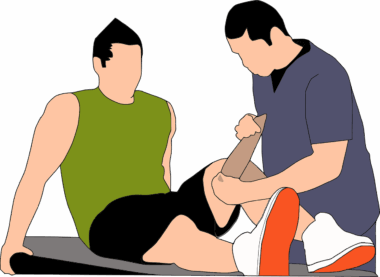
Post-surgical rehabilitation involves several phases, with gait training being a critical aspect. Patients often begin rehabilitation shortly after surgery, even when initially using assistive devices. The ultimate aim is to regain autonomous walking abilities, which directly impacts daily activities. The role of physical therapists is essential in guiding patients through exercises that progressively challenge their mobility levels. Techniques include strength training for the muscles used during walking and flexibility exercises to enhance joint range of motion. Additionally, balance training may be incorporated to prevent falls, enabling a smoother transition to walking without aids. A comprehensive evaluation of the patient’s prior function and the specifics of the surgery allows therapists to create effective programs. The incorporation of specific therapeutic modalities can also facilitate quicker recovery. Electrical stimulation, for instance, may be used to activate muscles that have weakened post-surgery. Maintaining an open communication line between patients and therapists ensures that adjustments are made as needed, promoting a personalized approach. Ultimately, this holistic strategy contributes significantly to achieving sustainable improvements in gait and overall confidence during mobility.
Benefits of Gait Training
The benefits of gait training are numerous and profoundly affect the recovery journey post-surgery. Firstly, it helps in reducing pain associated with movement, allowing individuals to engage in physical activity more comfortably. Restoring normal walking patterns is essential for psychological recovery, as patients often experience emotional distress related to mobility limitations. To address this, physicians emphasize the role of gait training in fostering independence. Strengthening the muscles around joints contributes to better stability, enabling safer ambulation. By practicing gait techniques tailored to their needs, patients develop confidence in their abilities. Another significant advantage is improved cardiovascular health, resulting from increased mobilization and activity levels. Enhanced blood circulation plays a vital role in healing tissues, ultimately shortening recovery time. Furthermore, gait training promotes social interactions, allowing individuals to participate in community activities. Incorporating a mix of exercises encourages diverse movement patterns, which are beneficial in preventing future injuries. As patients observe tangible improvements, they often feel more motivated to engage in their rehabilitation programs, leading to an upward spiral of positive reinforcement throughout their recovery.
With evolving techniques in gait training, technology also plays an exciting role in rehabilitation. Innovative devices, such as robotic exoskeletons, assist individuals in retraining their walking patterns more effectively. These advanced tools offer customized feedback and track progress in real-time, enhancing the rehabilitation experience. Furthermore, virtual reality applications create immersive environments that enable patients to practice gait in varying scenarios safely. This technology not only makes rehabilitation enjoyable but also encourages individuals to engage more actively in their sessions. Additionally, telehealth services have emerged, allowing therapists to monitor patient progress remotely while providing guidance. By utilizing these modern advancements, rehabilitation professionals can deliver more targeted therapies that adapt to each patient’s needs. This approach can be especially beneficial for those who may have limited access to in-person therapy sessions. The integration of technology in gait training can enhance the overall recovery experience, making it more accessible and tailored to the individual. It represents a significant shift towards more personalized rehabilitation solutions, nurturing independence and self-efficacy as patients regain their mobility.
Challenges in Gait Training
Despite its numerous benefits, gait training during post-surgical rehabilitation presents several challenges. One significant hurdle is patient compliance due to discomfort or fear of injury. This trepidation can hinder the willingness to engage in necessary exercises. Addressing these feelings through education is essential, reassuring patients of their capabilities and the expected positive outcomes. Another challenge is the variability in recovery speeds among individuals, influenced by factors like age and overall health. Tailoring programs to accommodate these differences is crucial. Furthermore, some patients may experience setbacks due to unforeseen complications, making it vital for therapists to remain adaptable. Effective communication about these challenges fosters trust and aids in managing patient expectations. Additionally, ensuring access to appropriate facilities and equipment can be a barrier, especially for those in rural areas. Therapists must strategize innovative solutions to keep patients motivated, such as home exercise programs. Finally, understanding the psychological impact of surgical recovery cannot be overlooked. Employing holistic techniques, including emotional support and motivating strategies, enhances adherence and fosters resilience as patients navigate their rehabilitation journey.
The role of family and caregiver support also plays a vital part in the successful implementation of gait training. Encouragement from loved ones significantly affects a patient’s motivation to adhere to rehabilitation routines. Emotional support can alleviate feelings of isolation that often accompany recovery. Family members can assist by participating in exercises themselves, fostering a sense of shared experience and accountability. Additionally, educating family members about the rehabilitation process ensures they understand what their loved one is going through, enabling them to provide appropriate support. Arranging group rehabilitation sessions can help create a supportive community, further contributing to the healing process. Peer interactions during these sessions often serve to motivate patients as they share their challenges and successes. As bonds are formed, patients feel less alone and more determined to achieve their rehabilitation goals. Moreover, caregivers often play a practical role by helping schedule appointments and facilitating transport to therapy sessions. The integration of a strong support system complements the objectives of gait training, ultimately leading to enhanced recovery outcomes. Bringing together family involvement can also open discussions about long-term mobility goals post-recovery.
Conclusion
In conclusion, gait training is a fundamental aspect of post-surgical rehabilitation, crucial for restoring independent mobility. Through individualized approaches tailored to each patient’s unique needs, therapists can effectively help individuals achieve their rehabilitation goals. Engaging patients in their recovery process is vital to maintaining motivation and commitment. The support of family and caregivers significantly enhances adherence to the rehabilitation plan, fostering a positive environment conducive to healing. It is essential to understand the challenges faced during this journey, addressing both physical and psychological aspects of recovery. By utilizing technology and modern techniques, therapists can deliver more effective interventions that resonate with patients. Overall, a comprehensive gait training program can result in improved physical function, enhanced psychological well-being, and increased quality of life post-surgery. As rehabilitation practices evolve, the integration of innovative modalities continues to provide exciting opportunities for patients and healthcare professionals alike. Ultimately, the harmonious collaboration between patients, therapists, and support systems paves the way for successful rehabilitation outcomes, allowing individuals to reclaim their independence and return to their daily lives.
As the emphasis on effective rehabilitation grows, continued research into best practices for gait training remains essential. Collaboration among professionals in various fields aids in refining techniques and outcomes. Investigating novel therapeutic approaches will provide new insights that can enhance existing programs. Engaging in interdisciplinary discussions ensures rigorous evaluation of current methodologies, fostering continuous improvement. By aligning efforts across rehabilitation, healthcare, and technology sectors, promising innovations can emerge. This dedication to progress not only enhances patient experiences but also contributes to the evolving landscape of rehabilitation practices. As these practices blossom, the ultimate goal remains clear: empowering individuals to regain functional mobility and lead fulfilling lives after surgery.