
Overcoming Negative Thoughts on the Volleyball Court
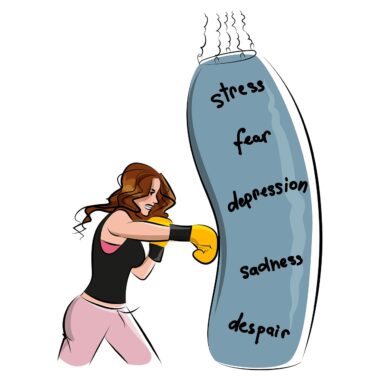
Negative thoughts are common among volleyball players, affecting performance on the court. Players often experience anxiety or doubt during matches, which can hinder their abilities to perform well. Recognizing these intrusive thoughts is essential for athletes looking to improve their mental game. Players should take a moment to reflect on when these thoughts arise. Is it during critical moments? At the start of the match? Understanding the trigger can help in managing these feelings. One effective strategy is to reframe negative thoughts into positive affirmations. Instead of saying “I can’t serve under pressure,” players should think, “I am prepared and can serve well.” Practicing this consistently can gradually alter the mindset. Another approach involves visualization techniques. Players can mentally envision themselves succeeding in high-pressure situations before they actually occur. This preparation can significantly reduce anxiety and build confidence. Players can also enlist support from coaches and teammates, creating a supportive environment that encourages open discussion about mental hurdles. Keeping a journal about experiences throughout the season can help track progress and identify patterns in thought processes that need addressing, ultimately enhancing focus and performance on the court.
Setting clear goals can also play a vital role in overcoming negative thoughts. Goals should be specific, measurable, attainable, relevant, and time-bound, commonly known as SMART goals. When players have clear objectives, they can maintain focus and motivation throughout training and games. Achieving small milestones can boost their confidence and diminish feelings of negativity. Furthermore, prioritizing mental resilience is crucial. Mental resilience allows players to manage stress and bounce back from setbacks effectively. Techniques like mindfulness meditation can build resilience by helping players stay present, enhancing both focus and performance. Engaging in breathing exercises can also assist in calming the mind and refocusing attention. Another essential aspect is maintaining a positive self-talk style. Replacing harsh self-criticism with kind and supportive language fosters a healthier mental space. Players should strive to treat themselves as they would treat a teammate in distress. Finally, maintaining a balanced lifestyle outside of volleyball is important. Engaging in hobbies, maintaining social connections, and practicing stress relief techniques like yoga can contribute positively to overall mental health, arming players with the tools they need to tackle negativity and enhance their performance on the court.
Importance of Mindfulness in Volleyball
Mindfulness is a powerful tool for volleyball players as it enhances their awareness during matches. By focusing on the present moment, players can better control their thoughts and emotions. Mindfulness practices may include techniques such as meditation, breathing exercises, or even mindful movement. Players can train their minds to maintain focus on immediate tasks rather than becoming overwhelmed by past mistakes or future outcomes. This shift in practice not only aids concentration but also helps reduce anxiety levels significantly. Incorporating mindfulness into training routines can facilitate more remarkable performances during games. It encourages players to accept their thoughts without judgment, allowing them to push through negative feelings. Players can practice mindfulness through simple exercises like deep breathing before each serve or point. Creating rituals before each game can prepare their minds and bodies for the challenges they will face. When surrounded by chaos in matches, returning to mindful practices can act as an anchor, helping them regain focus and confidence. Regular mindfulness meditation sessions can also improve overall mental clarity, making it easier for players to recognize and combat negative thoughts during intense moments on the court.
Developing a strong support network is critical for volleyball athletes. Having a reliable team environment creates a sense of belonging, helping players feel secure when facing challenges. Coaches who encourage open dialogue about mental aspects of the game contribute positively to a supportive atmosphere. Regular team-building exercises can foster trust and understanding among teammates. When players know they can share their experiences with others, it reduces the stigma around negative thinking. Furthermore, utilizing visualization alongside this support can elevate performance. When teammates visualize victory together or encourage each other during challenging drills, they amplify their shared determination. This collective effort not only strengthens team dynamics but also fortifies individual mental resilience. Teammates can help remind each other of their abilities and past successes, countering any self-doubt that might arise. Practicing gratitude within the team, such as acknowledging every member’s contributions, can also shift focus away from negativity. Ultimately, a robust community among players cultivates an environment where individuals can thrive and develop stronger mental fortitude, essential for overcoming obstacles that arise during games, especially during high-stakes moments on the court.
Creating Effective Training Habits
Effective training habits heavily influence mental resilience and the ability to overcome negative thoughts. Athletes should incorporate consistent routines that emphasize both physical and mental development. These routines aid in minimizing stress and establishing a focus-driven mindset. Scheduling training sessions that include mental exercises, such as visualization or reflective practices, contributes greatly to preparedness. Players benefit from progressively challenging drills that simulate high-pressure scenarios they might face in actual games. Embracing setbacks as growth opportunities is crucial; instead of dwelling on mistakes, players should analyze what went wrong for future improvement. Incorporating recovery days and light practices allows athletes to rest their minds, preventing burnout both mentally and physically. Additionally, maintaining a varied approach to training is beneficial. Incorporating multiple skills, like teamwork drills or solo practices, helps diversify experiences, alleviating the monotony. Encouraging fun competitions or friendly challenges can brighten the atmosphere, promoting excitement and engagement in training. Consistently revisiting goals and affirmations during practice can reinforce a positive mindset. This balance of structured training and an enjoyable environment nurtures a player’s mental game, equipping them with the tools to face competitive pressures effectively.
The role of nutrition cannot be overlooked in mental well-being for athletes. Proper nutrition fuels both body and mind, influencing overall performance. Players must focus on a balanced diet rich in protein, whole grains, and plenty of fruits and vegetables. Omega-3 fatty acids are particularly beneficial, shown to improve mood and cognitive function. Staying hydrated is equally essential, as dehydration can lead to fatigue and increased negative thoughts. Integrating healthy snacks before matches buries the urge to reach for unhealthy options. Nutrition is like conditioning; the better the fuel, the stronger the results. Athletes should schedule time after games to evaluate their food intake habits. This reflection can reveal patterns that lead to improvements, like reducing sugar consumption, which can impact mood swings. Supplements like vitamin D may also contribute positively, especially during off-season training when exposure to sunlight is limited. Players could benefit from consulting nutritionists who specialize in sports performance, receiving tailored advice best suited for their unique needs. Overall, maintaining a focus on nutrition is integral to gaining mental clarity, increasing energy levels, mitigating negative thoughts, and enhancing performance on the volleyball court.
Conclusion: Building Mental Strength
Building mental strength is essential for volleyball players striving to overcome negative thoughts. Achieving mental resilience requires discipline and a commitment to practices that enhance focus and positivity. By using strategies such as mindfulness, visualization, and supportive team dynamics, players can create an environment that fosters growth. Acknowledging the challenges that come with negative thoughts is the first crucial step. Players should feel motivated to confront these challenges head-on, employing their resources to shift their mindset toward success. With a combination of effective goal-setting, emotional support, and nutritional awareness, athletes can cultivate a robust mental game. These practices not only improve individual performance but also promote overall team success. Positive thinking must become a habitual process, reinforced through consistent training routines and mental exercises. As players build mental strength over time and learn to embrace their inner dialogue, they cultivate a culture of empowerment on and off the court. Ultimately, overcoming negativity becomes a shared journey that contributes to both personal improvement and team cohesion, paving the way for a more fulfilling and victorious volleyball experience for everyone involved.
This is another paragraph with exactly 190 words…