
Sports Vision Tests: Evaluating Visual Function in Athletes
In the realm of sports science, the evaluation of visual function plays a crucial role. Athletes rely heavily on their visual capabilities, from tracking fast-moving objects to understanding spatial awareness during intense games. Sports vision tests meticulously assess these functions, aiming to optimize performance and prevent injuries. These tests measure various aspects of vision, such as depth perception, contrast sensitivity, and visual acuity. Testing typically involves specialized equipment and protocols tailored to each sport, ensuring that the evaluation is relevant to the athlete’s specific needs. For coaches and trainers, understanding these visual components is essential. It allows them to develop training regimens that combine physical skills with visual strategies. Thus, these evaluations are not simply medical assessments; they offer insight into an athlete’s cognitive and perceptual capabilities. The overall impact of sports vision testing extends beyond performance metrics. It fosters increased awareness about the importance of visual skills in athletic achievement and provides actionable data that can guide training and recovery. This multifaceted approach ultimately supports athletes’ ambitions, helping them reach their peak performance levels while maintaining their health.
The Components of Sports Vision Testing
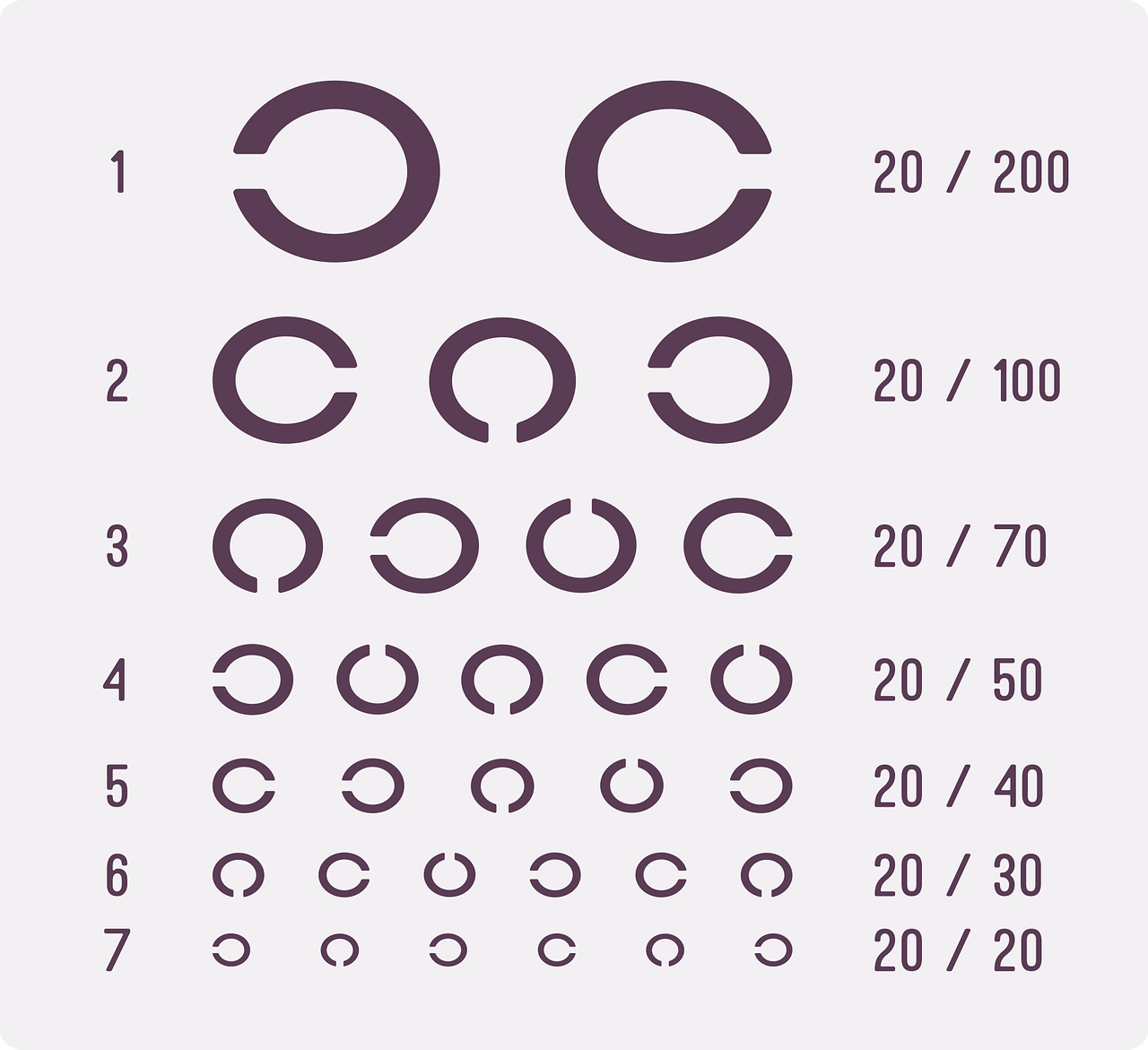
Sports vision testing comprises several key components, each designed to scrutinize essential visual functions. These components enhance an athlete’s capabilities through systematic assessments and interventions. Visual acuity is a primary measure, assessing how well athletes can see at various distances. Another critical aspect is depth perception, a vital function that enables athletes to judge distances accurately, particularly in sports involving coordination with other moving players. Furthermore, eye-hand coordination is evaluated, showcasing an athlete’s ability to synchronize visual input with motor responses effectively. Additionally, contrast sensitivity tests explore how well athletes distinguish objects from their backgrounds under varying levels of illumination. Visual reaction time is similarly tested, particularly vital in high-speed sports where decisions must be made quickly. These tests may be customized for specific sports, ensuring relevant metrics that lead directly to improved performance. Notably, vision therapy can be integrated into training programs when deficits are identified. Coaches should appreciate visual training as a significant factor in an athlete’s overall development, ensuring that their training encompasses both physical and visual domains. Comprehensive assessments result in targeted interventions for optimal athletic performance.
Another important consideration in sports vision testing is the use of technology. Innovations in testing equipment, such as virtual reality and motion analysis, have revolutionized how we assess visual performance. These technologies provide dynamic assessments that simulate game scenarios, giving athletes and coaches valuable insights. Virtual reality systems allow athletes to engage in realistic athletic situations while measuring their visual response to various stimuli. This approach fosters an engaging and interactive testing environment, which can lead to improved learning outcomes. By using cutting-edge technology, trainers can pinpoint specific areas for improvement, enhancing training effectiveness over time. Furthermore, the data collected through these advanced methods is invaluable for developing customized training programs. Coaches can analyze this data to understand better their athletes’ strengths and weaknesses. Consequently, athletes can receive targeted visual and cognitive drills tailored to their unique needs. Additionally, the integration of technology promotes continuous evaluation, allowing for adjustments in training methods as athletes progress. The ability to adapt is vital in sports, and leveraging technology achieves this flexibility. Consequently, technology significantly enhances the evaluation process, ultimately leading to improved athletic performance and safety.
The Role of Eye Care Professionals
Eye care professionals play a pivotal role in the sports vision testing process, providing expertise and guidance in optimizing visual function for athletes. Usually, these specialists assess visual health and function, identifying potential impairments that may affect performance. They conduct comprehensive eye exams to ensure that athletes’ eyesight is sharp and any underlying issues are addressed effectively. This thorough analysis encompasses both anatomical assessments and functional tests, ensuring that every visual aspect is considered. Following the testing, eye care professionals collaborate with athletes to develop individualized strategies to enhance visual skills. This may include vision training exercises, recommendations for specific eyewear, or systems to improve depth perception. Their expertise provides athletes and coaches continued insight into the significance of visual factors in performance. Additionally, eye care specialists contribute to injury prevention strategies, educating athletes on protective measures such as appropriate eyewear during practice and competition. They also guide athletes on the importance of regular eye examinations in maintaining optimal visual health. In doing so, they ensure that athletes maintain not only peak performance but also safeguard their long-term vision health across their careers.
Integration of visual training into an athlete’s regimen can yield significant improvements in sports performance. Visual training emphasizes developing skills like visual memory, dynamic visual acuity, and tracking abilities. With structured exercises, athletes can heighten their perceptual abilities, much like they enhance physical fitness through regular workouts. These training sessions may include drills designed to improve reaction times to visual stimuli or exercises focusing on enhancing eye coordination. Exercises could also focus on adapting to changing visual environments, which is crucial in many sports where conditions frequently change. Importantly, athletes who engage in visual training report increased confidence, improved decision-making in critical game moments, and reduced errors during competition. Additionally, visual training promotes mental acuity that transcends physical training alone. Coaches should consider incorporating visual exercises as a staple part of athlete development programs. Moreover, monitoring progress through consistent assessments keeps training dynamic and responsive to athletes’ evolving needs. The incorporation of visual training thus enriches an athlete’s overall skillset, transforming how they train and compete, enhancing both individual performance and team dynamics throughout competitive environments.
The Future of Sports Vision Assessment
As sports continue to evolve, so does the approach to sports vision assessment. Emerging research highlights the interplay between visual and cognitive functions in optimizing athletic performances. Scientists are now exploring the neurological aspects of visual processing, providing insights that could redefine how we evaluate athletes. Potential advancements involve using artificial intelligence to analyze athletes’ visual capabilities and reaction patterns beyond current testing methods. For instance, real-time performance analytics can yield rich datasets that underline trends in visual performance, thus informing tailored training strategies. These advancements elevate the practice of sports vision assessments, pushing it into a more data-driven, evidence-based future. As technology becomes more sophisticated, the integration of multi-sensory evaluations will enhance traditional visual tests. This means assessing how athletes interpret visual data along with other sensory inputs, creating a more holistic evaluation framework. By diversifying assessments, trainers gain a complete picture of an athlete’s strengths and weaknesses. Consequently, the future holds promise for creating more nuanced visual training programs that cater specifically to individual needs, preparing athletes not only for competition but for long-term career success.
The importance of sports vision testing cannot be overstated in shaping athletes’ destinies. Improvement in visual capabilities directly influences performance and injury prevention, highlighting its value in sports science. As such, a growing number of coaches and sports organizations are prioritizing these assessments as part of a comprehensive athlete development strategy. Engaging in sports vision testing ensures athletes stay ahead of the curve, continually refining their skills to maintain competitiveness. Leading sports organizations now emphasize the integration of vision performance metrics into overall fitness evaluations, making it a core aspect of athlete assessments. Furthermore, ongoing education for coaches about sports vision is vital, empowering them to incorporate effective visual strategies into training. As the industry continues to advance and adopt innovative methodologies, the potential for enhanced performance outcomes becomes immensely tangible. This paradigm shift fosters a culture where vision training becomes standard practice, equipping athletes with the tools needed to excel in their respective sports. Therefore, prioritizing comprehensive sports vision assessments becomes not merely an option, but an essential path toward achieving exceptional athletic success.
In conclusion, sports vision tests are key components in evaluating and enhancing the visual functions of athletes. Comprehensive assessments offer data that influence training approaches and improve performance metrics. The integration of technological innovations, coupled with the expertise of eye care professionals, transforms how athletes perceive and interact with their environment. As advancements continue to emerge, both coaches and athletes must prioritize vision training within their routine to maximize competitive edge. The journey from assessment to action enables targeted improvements, elevating overall capability in diverse sports disciplines. Engaging in dynamic visual exercises becomes fundamental, as does recognizing the intrinsic link between vision and athletic performance. By acknowledging the importance of sports vision assessments, the sports community fosters a more informed approach to improvement. Future research and developments in the field will undoubtedly unveil even more sophisticated approaches to testing and enhancing visual performance. Ultimately, this holistic dedication to athlete performance encompasses not only physical training but enhances cognitive skills synonymous with the elite level. Thus, by consistently refining both visual skills and cognitive functions, the potential for athletic excellence looms ever larger, creating a future ripe with possibilities.