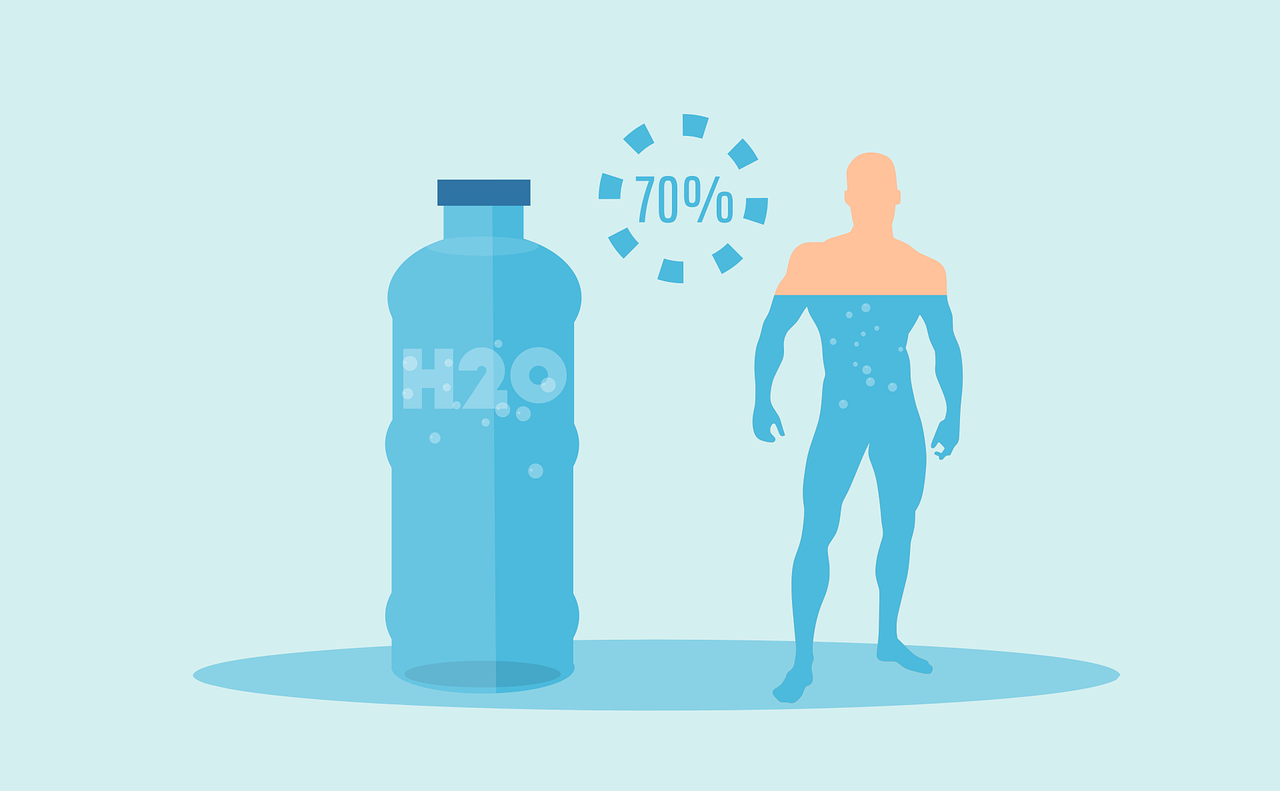

The Importance of Hydration for Safe Running
Every runner, whether experienced or new, must prioritize hydration for efficient performance. Hydration impacts endurance, recovery, and overall health, helping prevent fatigue, cramps, and injuries. When running, the body loses fluids through sweat, which can lead to dehydration. Dehydration affects not only physical performance but also cognitive function. It’s essential to start hydrating before your run by drinking enough water throughout the day. Always carry water during longer runs and consider sports drinks for electrolyte replenishment. Understanding your body’s hydration needs is crucial, as factors like temperature, humidity, and individual sweat rates vary. For runs over an hour, drink roughly every 15-20 minutes. After running, rehydrate and consume a balanced meal rich in fluids. Listening to your body is key; if you feel thirsty, you may already be dehydrated. Setting reminders to drink and planning hydration breaks can also help. For serious runners, aim to achieve consistent hydration levels through proper planning before, during, and after your runs to sustain optimal performance.
Understanding the signs of dehydration is essential for maintaining safety while running. Symptoms such as dizziness, headaches, and a dry mouth indicate that your body requires more fluids. Paying attention to urine color can be a helpful guideline; pale yellow means you’re adequately hydrated, while dark yellow signals dehydration. Additionally, physical performance can decline quickly when dehydration sets in, leading to decreased strength and endurance. Therefore, monitoring how you feel during runs is very important. Dehydration can impair your ability to concentrate, making you more prone to accidents or injuries. To prevent any adverse effects, you should always have a hydration plan beforehand. While pre-hydration is vital, don’t overlook post-run hydration; consuming fluids after a workout helps with recovery and replenishes lost electrolytes. For added electrolyte support, consider using electrolyte tablets or powders. Always listen to your body and adjust your fluid intake accordingly, especially during hotter months. Remember, proper hydration not only improves performance but is the cornerstone of safe running. By taking small, proactive steps, you can ensure that you stay hydrated and maintain your running goals.
Choosing the Right Hydration Strategy
Developing an effective hydration strategy can significantly enhance your running experience. Choose what fluids work for you, whether it’s plain water, electrolyte-rich beverages, or infused water with fruits. If you’re participating in longer runs or races, test different hydration strategies during training to figure out what works best for your body. Carrying a small bottle or wearing a hydration pack can be very handy during longer runs. The key is to find a method that keeps you comfortable and allows you to maintain pace. Additionally, runners should consider environmental factors, such as heat and humidity, which can increase fluid loss. Developing a personalized approach ensures that you can meet your hydration needs while addressing potential challenges. Always factor in the length and intensity of your run when planning your hydration. Frequent brief sips are usually more effective than drinking large quantities at once. Ultimately, experimentation and an attentive approach to hydration will lead you to find the most suitable strategy for enhancing your running performance. Remember, a well-hydrated runner is a happy and safe runner.
Incorporating hydration stations during races can also greatly contribute to maintaining fluid levels. Many races include stations at which you can grab water or sports drinks, so make a mental note of their locations. Practice approaching these hydration stations during training runs so you can minimize disruptions to your pacing. Knowing where to hydrate allows you to conserve energy while running. Always take advantage of these opportunities, especially in long distances, and stay hydrated throughout. Furthermore, developing an understanding of the average fluid requirements for different types of races helps you perform your best. For instance, longer races typically require more frequent hydration. Additionally, be mindful of the weather; cooler environments might require a different hydration approach compared to hot and humid conditions. Staying adaptable and planning your hydration according to your run’s specifics will lead to improved runs. Keep experimenting with what types of fluids work best for you, whether they are water, electrolyte drinks, or something else, and settle into a routine that fits your running style and preferences.
Hydration Myths Debunked
There are several common myths about hydration that can mislead runners. One such myth is that drink quantities should solely be determined by thirst. While thirst is a good indicator, relying only on it may not be enough, especially during intense activities. Many people don’t realize they are dehydrated until it’s too late. Additionally, another misconception is that all hydration must come from water. While it’s crucial, other beverages and foods can contribute to hydration. For example, fruits, soups, and sports drinks can also replenish lost fluids effectively. People often assume that more fluids are always better, but overhydration can lead to hyponatremia, a condition caused by excessive water consumption and low sodium levels. This can be dangerous, especially during long-distance events. Thus, striking the right balance is essential. Educating oneself about the science of hydration, listening to your body, and understanding individual needs are keys to enhancing running safety through proper hydration practices.
To promote safe running, consider creating a hydration checklist that you can review before each run. Include items such as timing for hydration, the types of fluids to bring, and reminders about monitoring your body’s needs. This proactive approach can help you remember critical hydration strategies. Scheduling regular hydration breaks may also help maintain optimal fluid intake during more extended runs. Share your hydration goals with training partners, encouraging accountability and motivation to hydrate properly. Connecting with other runners can foster a sense of community and support, making hydration a shared responsibility. Ensure you have a trusted water source or plan pre-run hydration. For organized runs, transition leads might motivate runners to stay hydrated. Explore local groups that host hydration workshops focused on educating participants about the effects of hydration on performance. Ultimately, staying informed about hydration’s essentials will instill confidence in your running habits, fortifying your commitment to staying healthy while achieving your running goals.
Conclusion: Emphasizing Hydration for Safety
Understanding and prioritizing hydration is crucial for every runner to ensure a safe and enjoyable experience. Implementing a structured hydration plan allows you to recognize your individual needs and adjust accordingly. The impact of proper hydration on performance, endurance, and health cannot be overstated and should not be overlooked. Always be conscious of how your body reacts during runs and be prepared to modify your routine based on environmental conditions or personal changes. Whether you’re a beginner or an experienced runner, hydration remains an essential aspect of responsible running. As you accomplish more challenging runs, your hydration strategies will become even more critical. Remember, even a small lapse in hydration can lead to noticeable declines in performance. By continually being mindful and dedicated to proper hydration practices, you can maximize your running potential while minimizing risks effectively. Join fellow enthusiasts in prioritizing hydration in your training regimes, and never compromise on your health when it comes to running. In conclusion, always carry water, listen to your body, and push your limits safely by staying hydrated.