
Pioneers of Inline Skating: The People Who Shaped the Sport
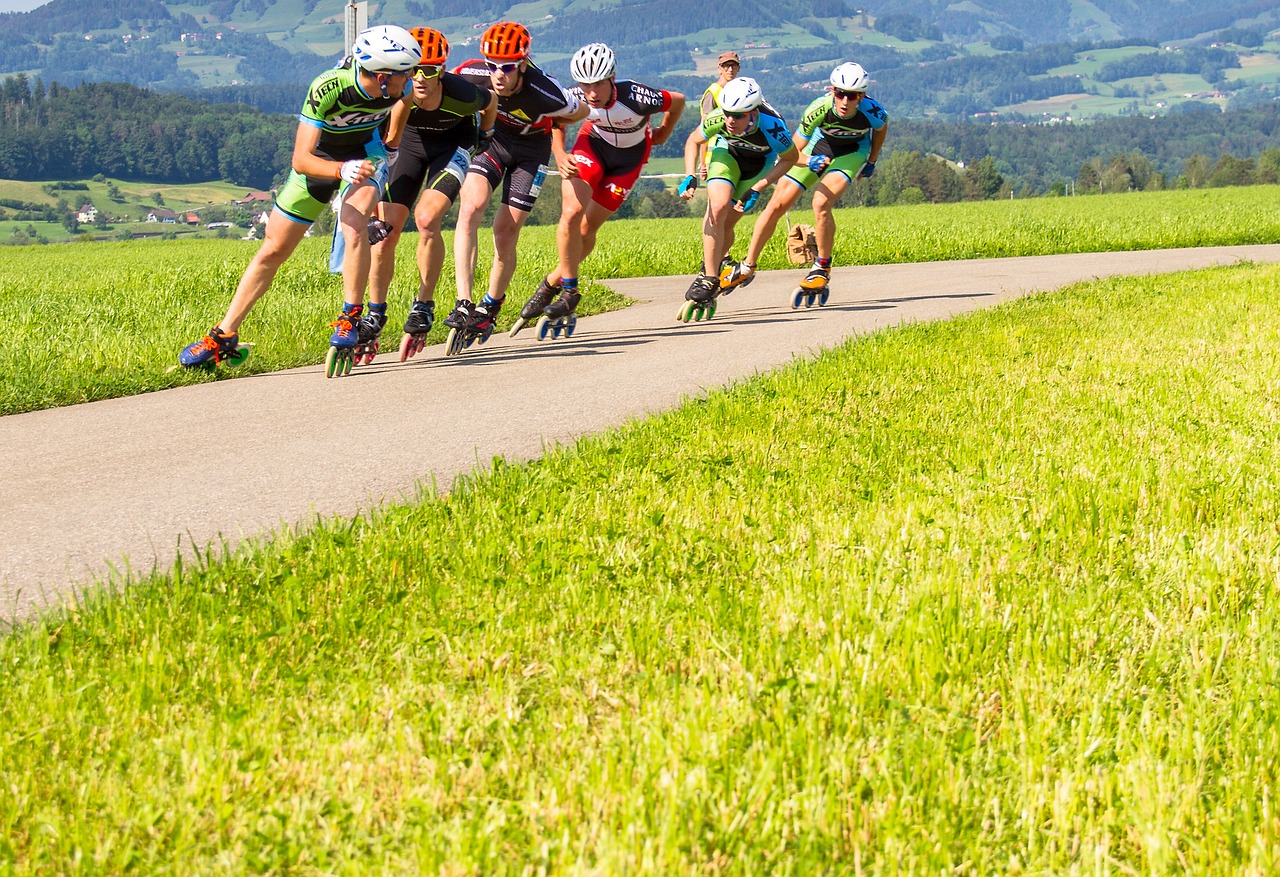
Inline skating, often enjoyed for its thrills and speed, has a history shaped by multiple innovators and passionate enthusiasts. In skating’s early days, people experimented with different designs to find ways to replicate the feeling of ice skating, even on hard surfaces. The original inline skates date back to the 18th century when enthusiasts in Europe attached wheels to wooden frames. Their inventiveness laid the groundwork for modern inline skating. If we look back, several pioneers emerge, infusing their unique styles and preferences into the sport. These trailblazers not only shaped the designs of skates but also established formal organizations that helped refine the sport’s techniques. One such individual, John L. McCulloch, contributed immensely in the 1960s by innovating with plastic wheels, enhancing performance and safety. Another notable figure, roller sports champion, Scott Stapp, championed inline skating in various competitions, helping it gain traction worldwide. Each of these individuals played a crucial role in developing inline skating into a recognized sport.
The 1970s and the Birth of Modern Inline Skating
The 1970s marked a significant turning point in inline skating history, leading to its commercialization. Visionaries like the Wright brothers released the first commercially produced inline skates, introducing them to a broader audience. These skates featured improved designs which facilitated better control and speed, capturing the imaginations of thrill-seekers everywhere. Within skating circles, this decade ignited an explosion of interest, leading to the establishment of competitive leagues and events. Inline skating quickly evolved from a mere novelty to a fully-fledged competitive sport. During this time, pioneers began forming skating clubs to promote their passion and skill development. This shift was immensely beneficial, helping to hone talent while structuring the competition format. Additionally, television broadcasts of events showcased talented skaters, drawing more spectators and aspiring skaters to the sport. The combination of innovative designs, competitive structure, and grassroots organizations spurred interest everywhere. Inline skating was no longer just a fun pastime; it became a thriving community that connected skaters across various regions and backgrounds. These developments laid the foundation for future advances, propelling the sport into the mainstream.
As the 1980s rolled around, inline skating took a further leap in popularity, spurred by a new blend of creativity and athleticism. Athletes began performing tricks and stunts, pushing their limits and encouraging an entirely new athletic culture. Roller hockey surged in fame, showcasing the agility and speed that inline skaters could achieve on the rink. This newfound influence invited more enthusiasts, leading to rapid growth in skate parks. Local skate parks provided a venue for skaters to hone their skills, practice tricks, and socialize. During this period, the X Games emerged, featuring inline skating as a staple event. This prestigious platform allowed elite skaters to showcase their craft, generating immense media interest. Iconic figures like Tony Hawk and inline skater Kirt Kovalik inspired countless individuals to pick up skates. Their influence was essential, as young skaters idolized them. The emergence of inline skating as a distinct sport further solidified its place in American youth culture. As the sport matured, skater-led initiatives and grass-root movements flourished, promoting a sense of community and encouraging growth. Enthusiasts organized competitions, exhibitions, and festivals celebrating their craft and fostering regional camaraderie.
The 1990s: High-Tech Innovations
The 1990s ushered in high-tech innovations that revolutionized the inline skating experience. Skate technology ventured into advanced materials, creating lighter and stronger skates. The shift enabled skaters to perform intricate tricks with greater ease and increased safety. Brands like K2 and Rollerblade began to dominate the market, each offering unique enhancements tailored to different skating styles. These modern skates featured sophisticated designs, such as adjustable boots and an emphasis on performance optimization. Sascha Matuschik, an innovator of the era, introduced the ‘Big Wheel’ concept, enhancing speed and stability. Inline skating gained wider acceptance, transitioning from a niche to a popular recreational activity enjoyed by diverse age groups. Various methods of inline skating, including freeskate or urban skating, attracted those seeking alternative styles and challenges. Skate parks continued to flourish, serving as essential hubs for skill development, fostering creativity, and community bonding. The rise of both casual skaters and athletes underlined inline skating’s prominence in the culture. These factors drove the sport forward and reflected how the landscape of inline skating was evolving, ultimately paving the way for new generations of enthusiasts and competitors.
Entering the new millennium, inline skating faced many changes fueled by technological advancements and a shifting landscape in sports culture. Youngsters gravitated toward extreme sports, where inline skating remained competitive, but new trends often overshadowed it. Consequently, innovators and advocates worked tirelessly to keep the sport alive and relevant. In this era, inline skating met the challenge through engaging competitions, workshops, and increasing visibility on social media. Events such as the, Inline World Championships showcased elite talent, captivating audiences worldwide. This rejuvenation led to a sense of unity within the community, with skaters supporting each other amidst outside pressures. Meanwhile, various styles, such as slalom and street skating, gained popularity, further diversifying the inline skating experience. Additionally, film and digital media brought fresh content to enthusiasts, showcasing breathtaking stunts and inspiring newcomers. Some even organized workshops to share their passions, sharing their knowledge and experiences. Skating evolved into a platform for personal expression, creativity, and community connection. As the sport focused on social responsibility, initiatives aimed to promote safety, inclusion, and accessibility flourished. Together, skaters worked to preserve the sport’s legacy while welcoming newcomers excited to join the fun.
Influence of Inline Skating on Youth Culture
The influence of inline skating on youth culture has been profound and enduring. This sport fosters skill development and promotes a sense of belonging among young skaters. From skate parks to organized competitions, the social aspect of inline skating has drawn young individuals seeking camaraderie and excitement. Inline skating breaks barriers, encouraging diverse participants to engage and collaborate, irrespective of their backgrounds. Pioneers of the sport have continuously emphasized this community spirit, reinforcing the notion of inclusiveness. The sport has often intersected with fashion trends, inspiring clothing lines and popularizing distinctive styles that reflect a skater’s individuality. Music has also played a crucial role, with many skater-inspired songs and videos captivating audiences. These intertwining elements create an electrifying culture that resonates with youth, as they express their creativity on and off their skates. Moreover, in an age dominated by technology, many parents recognize the importance of physical activities. Inline skating presents a fun, engaging way to stay active and socialize, fostering lifelong friendships. As a bonding experience, skating sessions often become cherished memories, ensuring that the passion for inline skating endures through the generations.
As we continue to navigate the ever-evolving world of inline skating, embracing the legacy of its pioneers is paramount. Their contributions have undeniably shaped the sport while inspiring countless individuals across generations. Each skater leaves their mark, influencing techniques, styles, and community initiatives. The modern era presents exciting new possibilities as innovators blend technology, fashion, and culture into the sport. Organizations that promote healthy environments and safe practices further empower skaters to take risks and explore new frontiers. Ongoing support for local competitions and youth programs fosters a robust pipeline of future talent. As pioneers continue to pave the way for progression, the spirit of collaboration and sharing remains vital. Encouraging a diverse community means supporting inclusivity, allowing all individuals to contribute meaningfully to the inline skating community. As we reflect upon the striking history of inline skating, we celebrate the individuals who shaped its narrative. Their stories inspire us to explore possibilities and keep the spirit alive. Inline skating is a history, a community, and a thrilling form of artistic expression. The legacy of these pioneers will undoubtedly inspire future generations of inline skaters who dare to push boundaries.
The Future of Inline Skating
Looking ahead, the future of inline skating appears bright, filled with potential as new generations embrace it. The beauty of this sport lies in its adaptability, with enthusiastic newcomers constantly refining techniques and exploring fresh ways to skate. Communities are rallying around intersectional initiatives that promote sustainability and inclusivity, ensuring that inline skating remains accessible. Moreover, technological advancements will likely continue shaping the sport, providing innovative gear designed for safety and performance. The rise of social media offers new platforms for skaters to connect, share experiences, and showcase their artistry, fostering a vibrant global community. Collaborations between skaters and brands will help optimize skate technology, resulting in an exciting line of advanced equipment tailored to various styles. A focus on also promoting health benefits can inspire more individuals to take up inline skating as a fun, enjoyable way to stay active. As challenges arise, skaters will respond with resilience, ingenuity, and passion, propelling the sport forward. The possibilities are limitless, and the journey of inline skating is far from over. Pioneers have paved the way, but it is the young skaters today who will truly redefine the sport’s future.