
Using Wearables and Apps to Optimize Lactate Threshold Training
Lactate threshold training holds immense significance for athletes aiming to enhance their performance. This training focuses on increasing the intensity of exercise at which lactate begins to accumulate in the bloodstream, which is crucial for endurance athletes. Wearable technology and fitness apps have fundamentally changed the way athletes approach their training. They provide real-time data on performance metrics such as heart rate, pace, and distance. By using this data effectively, athletes can pinpoint their lactate threshold and develop customized training plans. Moreover, the integration of wearables and apps fosters a deeper understanding of an athlete’s physiological responses. These tools can guide athletes through structured workouts that effectively stimulate improvements in their lactate threshold. Understanding these metrics allows for better pacing strategies during competitive events. Athletes can shift from guesswork to data-driven decisions, optimizing their performance significantly. Furthermore, communities that share their lactate threshold improvements deepen engagement and competitiveness. Athletes can follow trends and progress not just individually but collectively, pushing their limits further while utilizing technology. In conclusion, wearables and apps are essential in optimizing lactate threshold training.
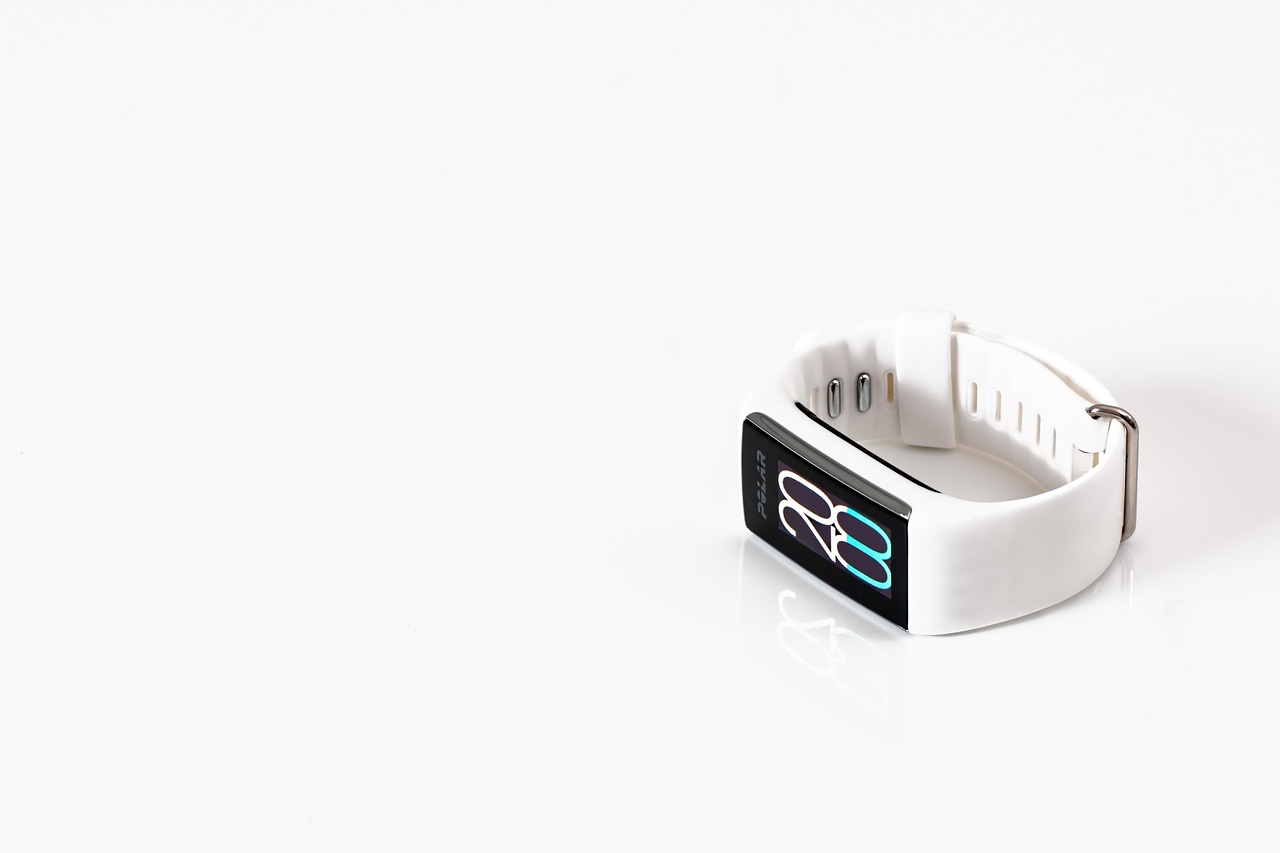
Incorporating heart rate monitors into training regimens can be transformative for athletes focusing on lactate threshold. These devices track heart rate variability, providing valuable insights into training intensity and recovery. An athlete can analyze when they reach their lactate threshold by monitoring heart rates during progressively intense workouts. Wearables often come equipped with alerts to notify users when they exceed pre-set heart rate zones. This is especially helpful to maintain optimal training intensity levels. Many heart rate monitors link seamlessly with various fitness apps, allowing for comprehensive data analysis. Athletes can visualize their performance metrics over time easily, leading to more informed training decisions. Equipped with this data, athletes can adjust their workouts based on daily performance rather than predetermined plans. For example, if an athlete observes consistently elevated heart rates at lower intensity runs, it could indicate inadequate recovery or the need for rest. Moreover, such adjustments are not just intuitive; they’re backed by data showing effectively generated results. Other metrics, such as sleep quality and nutrition, can also connect, providing a holistic view of performance. This comprehensive monitoring is vital for sustaining athlete motivation and ensuring continual progress.
Understanding Lactate Threshold Through Apps
Numerous fitness apps are designed specifically to assist athletes in understanding and improving their lactate threshold. These applications typically offer customizable training plans tailored to individual goals. After inputting personal data, such as age, weight, and fitness level, athletes receive specific guidance on workouts that will enhance their lactate threshold. Features like simulated race conditions and gradual intensity increases are prevalent, offering varied environments for effective training. Additionally, data visualization is a key component of these apps, which helps athletes grasp performance trends over time. Insights are often displayed in easy-to-understand graphs, clarifying how their performance improves. Some apps even provide social components, allowing users to share achievements and engage with friends or fellow athletes. This fosters a competitive atmosphere which can motivate users to push harder. Feedback loops provided by some advanced applications allow athletes to make continual adjustments to their training regimens. This iterative approach—being able to learn from data and refine strategies—is exceptionally effective. Hence, using dedicated fitness apps becomes fundamental for optimizing training plans based around lactate threshold metrics. Accurate tracking and gamification elements further enhance the overall training experience.
Another advantage of combining wearables with apps is the ability to track recovery over time. Some wearables offer advanced features that evaluate the quality of recovery after intense workouts. This is essential in lactate threshold training, as improper recovery can lead to decreased performance or injuries. By analyzing metrics such as heart rate variability and resting heart rates, athletes can identify whether they are sufficiently recovered before tackling strenuous workouts. These metrics can correlate strongly with an athlete’s current lactate threshold capabilities. Understanding recovery helps athletes avoid burnout, enabling them to train smarter, not harder. Additionally, recovery-focused apps often remind users to incorporate rest days into their schedules, encouraging a balanced approach to training. Coaches and trainers can also utilize data provided by wearables and apps to monitor athlete conditions, offering tailored guidance that aligns with recorded metrics. This collaboration transforms the coaching dynamic into a more informed and efficient partnership. Athletes who prioritize methodical recovery from rigorous training build stronger foundations for sustained success. They not only enhance their lactate threshold but also promote longevity in their athletic endeavors. Therefore, integrating wearables into lactate threshold training elevates athlete performance to new heights.
The Role of Data Analytics
In lactate threshold training, data analytics plays an essential role in the evaluation and optimization of an athlete’s performance. Advanced algorithms in wearables can analyze trends over time, offering insights into when and how thresholds improve. This informed approach enables athletes to adjust their training cycles strategically. Over time, the collection of data allows for predictive analysis, where athletes can understand future performance trends based on historical data. This information is invaluable for setting realistic goals and timelines, crucial for competitive athletes. Moreover, some sophisticated platforms even offer artificial intelligence recommendations, suggesting workouts tailored to an athlete’s current condition. Athletes can plan more effectively by synchronizing workouts with external factors such as competition schedules and personal commitments. Another aspect of data analytics is benchmarking against similar athletes, creating competitive motivation while providing performance comparisons. Using analytics comprehensively enables athletes to become attuned to their physiological responses. This knowledge ultimately leads to improved training outcomes and better race-day performances. By interpreting comprehensive reports, athletes can stay engaged in their training journey. Progress often becomes visible and measurable, transforming subjective experiences into objective data-driven narratives.
Community features incorporated within fitness apps further enhance the lactate threshold training experience. These platforms enable athletes to post workout results, challenges, and compete against peers, fostering camaraderie and support within the athletic community. The social aspect not only provides motivation but can also lead to collaborative training environments where members share insights and experiences. Connecting with fellow athletes showcases different training methods and approaches to lactate threshold improvement. Participation in virtual challenges that focus on lactate threshold training encourages friendly competition, stimulating performance enhancements. Leaderboards can illustrate progressive improvements, tracking user statistics over time and incentivizing athletes to push beyond their limits. Many users feel empowered by accountability, as they not only aim to meet their personal goals but also strive to surpass their peers. Shared victories become collective triumphs, strengthening community bonds. Furthermore, creating and joining groups based on experience levels, training goals, or specific sports enhances the experience. Athletes find themselves inspired by success stories and consistent progress updates from fellow users. As a result, these community features transform wearables and apps from simple tools into comprehensive platforms that motivate and engage athletes throughout their training journey.
Conclusion
In closing, the integration of wearables and apps into lactate threshold training delivers an innovative and effective training solution. These technologies empower athletes, offering them precise data that shapes their training strategies and enhances performance. From tracking heart rates to analyzing recovery times, athletes are better equipped to handle the demands of their sport. The ability to set personalized goals and engage with communities maximizes motivation and commitment to training regimens. Through consistent monitoring and feedback, athletes can develop a more profound understanding of their bodies and optimize lactate thresholds. As technology continues to advance, it holds incredible potential to elevate athletic performance even further. This modernization transcends traditional training methods, introducing convenience and accessibility. By embracing these tools, athletes can remain proactive in their development, consistently pushing past boundaries. Ultimately, wearables and apps foster both individuality in training practices and also enrich the collective experience of pursuing athletic excellence. The future of lactate threshold training looks promising as more athletes leverage technology to reach unprecedented heights in their performance. Thus, it’s crucial for athletes to incorporate these technological solutions into their training methodologies.
Ultimately, the combination of technology and knowledge will set successful athletes apart from their competition. As an ever-evolving field, staying updated with the latest in fitness technology is essential for ongoing success. Athletes who commit to continuous learning and adaptive training strategies based on their data will have a competitive advantage. Harnessing wearables and apps effectively can translate new insights into measurable improvements. They can identify potential weaknesses and optimize training cycles based on personal experience, advancing their lactate thresholds. Regular use of these tools will cultivate a tailored approach to training that promotes sustained performance increases. By enhancing the understanding of their lactate threshold, athletes can prioritize key workouts that yield substantial results. Integration of wearables into daily routines will also encourage mindful preparation for training sessions. This holistic approach will contribute to long-term athletic health and performance longevity. Furthermore, these technologies are not limited to elite athletes; they can empower a wide range of individuals aiming to enhance their fitness levels. Thus, the development of personalized training plans has become accessible to every aspiring athlete. The synergy between technology and athletic training signifies a new era of performance optimization, providing tools that foster continuous praise and achievement.