
How to Avoid Common Nutrient Deficiencies on a Plant-Based Weight Loss Diet
Embarking on a plant-based diet can be a transformative journey, especially for those aiming for weight loss. However, it’s crucial to ensure you are meeting your nutritional needs while pursuing this lifestyle. Many individuals on a plant-based diet may encounter common nutrient deficiencies if not careful. These deficiencies can impact your overall health and weight loss efforts. Common deficiencies include Vitamin B12, Iron, Omega-3 fatty acids, and Protein; all are often overlooked. Thankfully, knowledge and planning can combat these challenges effectively. Emphasizing a variety of foods is essential. Integrating fruits, vegetables, whole grains, legumes, nuts, and seeds into your daily meals will help ensure your nutrient intake is adequate. Furthermore, incorporating fortified foods can assist in meeting any lacking nutritional needs. For instance, plant-based milk and cereals are often fortified with Vitamin B12 and Vitamin D. Keeping a food diary can also aid in monitoring your nutrient intake and help you identify areas needing improvement. In short, a balanced and well-planned plant-based diet can indeed support effective weight loss without compromising essential nutrients.
Understanding Key Nutritional Needs
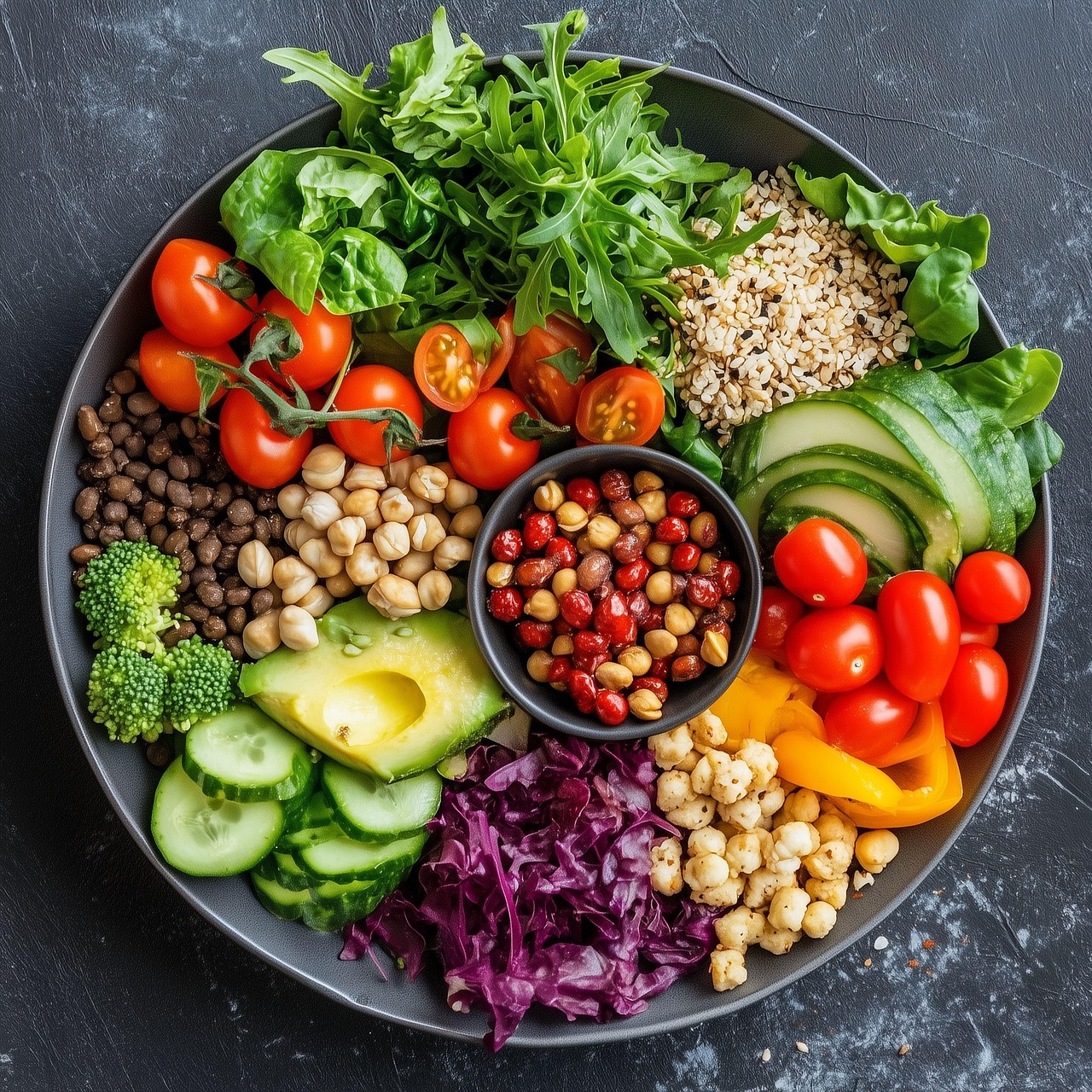
One of the most vital nutrients that require special attention in a plant-based diet is protein. Many people assume they cannot obtain enough protein without animal products; however, numerous plant sources provide adequate protein. Foods such as lentils, chickpeas, quinoa, hemp seeds, and tofu are excellent protein sources. Building a diet around these foods means you can achieve your protein needs without much effort. Omega-3 fatty acids also warrant consideration, as they are crucial for heart and brain health. It’s beneficial to include foods like flaxseeds, chia seeds, walnuts, and algae-based supplements in your diet. Additionally, Vitamin B12 should be carefully monitored, as it is primarily found in animal products. Vegetarians and vegans can opt for fortified foods or supplements for adequate intake. Iron is another important nutrient that can be lower in plant-based diets. Foods like spinach, legumes, and pumpkin seeds contain iron; pairing them with Vitamin C-rich foods enhances absorption. By focusing on these essential aspects, one can meet their dietary needs effectively while working towards successful weight loss.
The third critical nutrient is calcium, which is essential for bone health and muscle function. Many believe that dairy is the only source of calcium; however, this is a misconception. Numerous plant-based alternatives provide sufficient calcium, including fortified almond milk, tofu, collard greens, and bok choy. Ensuring a sufficient intake of these foods can aid in maintaining calcium levels. Moreover, getting adequate zinc is important for immune function and overall health. Beans, lentils, chickpeas, nuts, and pumpkin seeds are rich in zinc and can be easily included in meals. Taking note of your zinc intake can help prevent deficiencies and support weight loss. Another significant nutrient is Vitamin D. This vitamin is crucial for calcium absorption and bone health. For those on a plant-based diet, getting enough sunlight can help; however, supplementation may be necessary. In addition, including mushrooms and fortified foods in your diet can help. By considering these key nutrients and planning meals accordingly, you can ensure a balanced diet while focusing on your weight loss endeavors. Always remember, balance is the key.
Strategies for Meal Planning
Planning your meals can significantly bolster your nutrient intake. At the start of your week, create a meal plan that integrates a variety of foods. To start, incorporate different colored fruits and vegetables to ensure you receive various vitamins and minerals. Each color typically represents different nutrients. For instance, orange vegetables like carrots and sweet potatoes are high in beta-carotene, while green leafy veggies provide iron and calcium. Next, consider prepping protein-rich snacks; these could be roasted chickpeas, nut butter on whole-grain bread, or homemade energy bars using oats and seeds. Having nutritious snacks on hand will keep you energized and stick to your weight loss goals. Do not overlook the importance of healthy fats in your diet. Include avocados and nuts for satisfying dishes while also aiding nutrient absorption. Investigate new recipes that excite you; this can inspire creativity in your cooking. Websites and cookbooks dedicated to plant-based lifestyles offer ample resources. By understanding how to balance your meals and ensure diversity, you can efficiently avoid nutrient deficiencies during your journey.
Hydration plays a significant role in weight loss and overall wellness. It’s essential to maintain adequate hydration while on a plant-based diet. Sometimes, individuals may confuse thirst with hunger, leading to unnecessary snacking. Aim to drink sufficient water daily, and consider adding herbal teas or infused water for variety. Another point of interest is to monitor how you prepare your meals; cooking methods can influence nutrient retention. Steaming, for example, is a great way to preserve nutrients compared to boiling. While indulging in delicious hearty soups can be comforting, it’s important to minimize overcooking vegetables, which can lead to nutrient loss. If you’re using legumes, always experiment with soaking them overnight; this not only enhances their digestibility but also improves nutrient absorption. On top of that, consider varying your protein sources to avoid deficiencies. For instance, alternating between lentils, beans, and whole grains can provide a complete amino acid profile. Thus, being mindful of these aspects can dramatically enhance nutrient retention while supporting sustainable weight loss goals.
Importance of Supplements
In some cases, it may be beneficial to complement a plant-based diet with supplements, particularly for nutrients that are hard to obtain. Vitamin B12 supplements are necessary for those who strictly avoid animal products; they ensure that energy levels remain optimal. Likewise, Omega-3 supplements derived from algae can provide the necessary fatty acids without consuming fish. The use of multivitamins can also help fill in nutritional gaps. However, it’s imperative to consult a healthcare professional before adding supplements to avoid overdose or interactions. When considering supplements, quality matters; seek out well-reviewed and trusted brands. Additionally, keep tabs on your nutrient levels through regular blood tests, which can provide insight into any deficiencies that may arise. Understanding your body’s specific needs allows for better-targeted supplementation. Proper education regarding nutrition aids in making informed choices about which supplements to take. Moreover, nurturing a positive relationship with food while supplementing can help emotional and physical health. Therefore, awareness and intentionality are important while effectively navigating a plant-based weight loss journey.
Engaging with a community can also play a pivotal role in ensuring nutrient adequacy. Sharing experiences with others embarking on similar journeys can provide camaraderie and support. Whether online or local, various groups can assist with meal planning, recipes, and nutritional advice. Social media platforms and forums often provide a plethora of resources and shared knowledge to navigate challenges within plant-based diets. Furthermore, considering working with a registered dietitian specializing in plant-based nutrition may provide personalized advice tailored to your individual needs. Professional guidance can identify potential deficiencies and create a comprehensive meal plan. Online tools and apps can also serve as resources for tracking nutrients, making meal planning much easier. Integration of technology enables individuals to access recipes, track micronutrients, and discover new foods to enhance their diet. Remember, balance and variety remain essential for success. Take your time to explore various foods and flavors. Ultimately, a collaborative and informed approach enhances your chances of meeting your nutritional needs while effectively pursuing weight loss.
Final Thoughts on Plant-Based Eating
In conclusion, a plant-based weight loss diet can be delicious, fulfilling, and nutritionally balanced with a proper understanding of common nutrient deficiencies. Knowledge plays a vital role in navigating potential pitfalls in this journey. By including an assortment of nutritious foods and balancing macronutrients and micronutrients, achieving health goals is feasible. Hydration, cooking methods, and social support systems bolster the likelihood of success. Being proactive, planning meals, and seeking professional advice can further guide dietary choices. Remember to engage with the community and learn from others. Incorporating variety also keeps your meals exciting and prevents dietary monotony. Supplements when needed serve to counteract deficiencies and maintain energy levels. Ultimately, your approach should emphasize wellness, positive relationships with food, and enjoyment in your eating journey. Recognize that transitioning to a plant-based lifestyle is a continual learning experience. Be adaptable and embrace challenges with an open mind. By focusing on what nourishes your body and discovering new plant-based options, you can flourish in your weight loss goals while promoting overall well-being.