
Using Balance Boards to Improve Children’s Stability and Confidence
Balance boards have gained popularity as tools to enhance children’s stability and coordination. These boards are designed to challenge a child’s balance, promoting core strength and motor skills. When kids use a balance board, they engage various muscle groups, which is crucial for proper physical development. This activity not only improves physical capabilities but also boosts confidence. As they learn to control their movements, they develop greater body awareness. Incorporating balance boards into playtime can be as fun as it is beneficial. They can be used indoors or outdoors, creating versatile opportunities for exercise. Kids can perform various activities, such as squats or twists, while balancing. This versatility allows for creativity in use, making sessions engaging. Parents and educators can guide children to perform activities that keep them interested. Overall, balance boards present an exciting avenue for enhancing fitness. With regular practice, children will notice increased stability in their everyday movements as well. The joy of mastering new skills on a balance board can significantly contribute to a child’s self-esteem, promoting a lifelong appreciation for fitness and active play.
Balance boards are not just beneficial for individual skill development; they also foster social interaction among children. When multiple kids gather to use balance boards, they engage in cooperative play. This interaction cultivates teamwork and communication as children share tips and encouragement. They can challenge each other and celebrate milestones, strengthening friendships. Playtime on balance boards helps children develop important social skills necessary for their growth. Moreover, parents can participate in these activities, creating bonding moments while being active together. This shared experience not only motivates kids but also sets a positive example for lifelong fitness habits. The role of caregivers is important when introducing balance boards; they need to supervise and provide guidance. Choosing appropriate activities based on age and skill level is essential. Children should start with simple exercises, gradually progressing to more challenging tasks. Safety precautions, like using the boards on a soft surface, can help prevent injuries. As they become more confident, kids will find joy in mastering new moves and exercises. The social aspect of using balance boards serves to enhance their overall experience, making fitness enjoyable and beneficial for development.
Physical Benefits of Balance Training
Engaging in balance training through balance boards offers numerous physical benefits for kids. For starters, they help improve proprioception, which is the body’s ability to sense its position and movement in space. This enhances overall balance, making activities like running or jumping easier and more controlled. Furthermore, balance boards contribute to strengthening core muscles, essential for good posture and stability. A strong core reduces the risk of injuries during physical activities in children. As they practice, children develop better coordination, essential for engaging in sports and other physical activities. Improved coordination not only aids in athletic pursuits but also in daily tasks. These benefits transcend mere physical fitness; they bolster mental resilience as well. When children face the challenge of maintaining their balance, they learn to focus, enhancing their concentration and cognitive skills. Such experiences cultivate determination, as children work toward mastering new techniques and improving their performance. The physical improvements from using balance boards translate into many aspects of life, enriching children’s overall experiences and encouraging active participation in various activities.
Parents looking to incorporate balance boards into their children’s routines should consider creating a structured program. Regular sessions can instill discipline and enhance motivation. Structuring workouts or play can also help track progress and set achievable goals. Using games and challenges can keep kids actively engaged, ensuring that workouts are fun. Creative ideas, such as obstacle courses, can stimulate children’s interest in balance training. Moreover, incorporating themed activities, like character-themed workouts, can resonate with younger kids, further grabbing their attention. Involving children in the planning process fosters ownership and excitement about their fitness journey. Balance boards also provide a great opportunity for discussing health concepts. Educating children about the importance of balance, coordination, and exercise through interactive discussions can empower them. Benefits of having healthy habits are numerous and can be emphasized during sessions. Encouraging kids to document their progress reinforces a sense of accomplishment. With every step forward, children build a positive association with fitness, ultimately promoting a healthier lifestyle. Balance boards truly become effective tools when parents actively engage in the process along with their children, making fitness a shared journey.
Safety Tips for Using Balance Boards
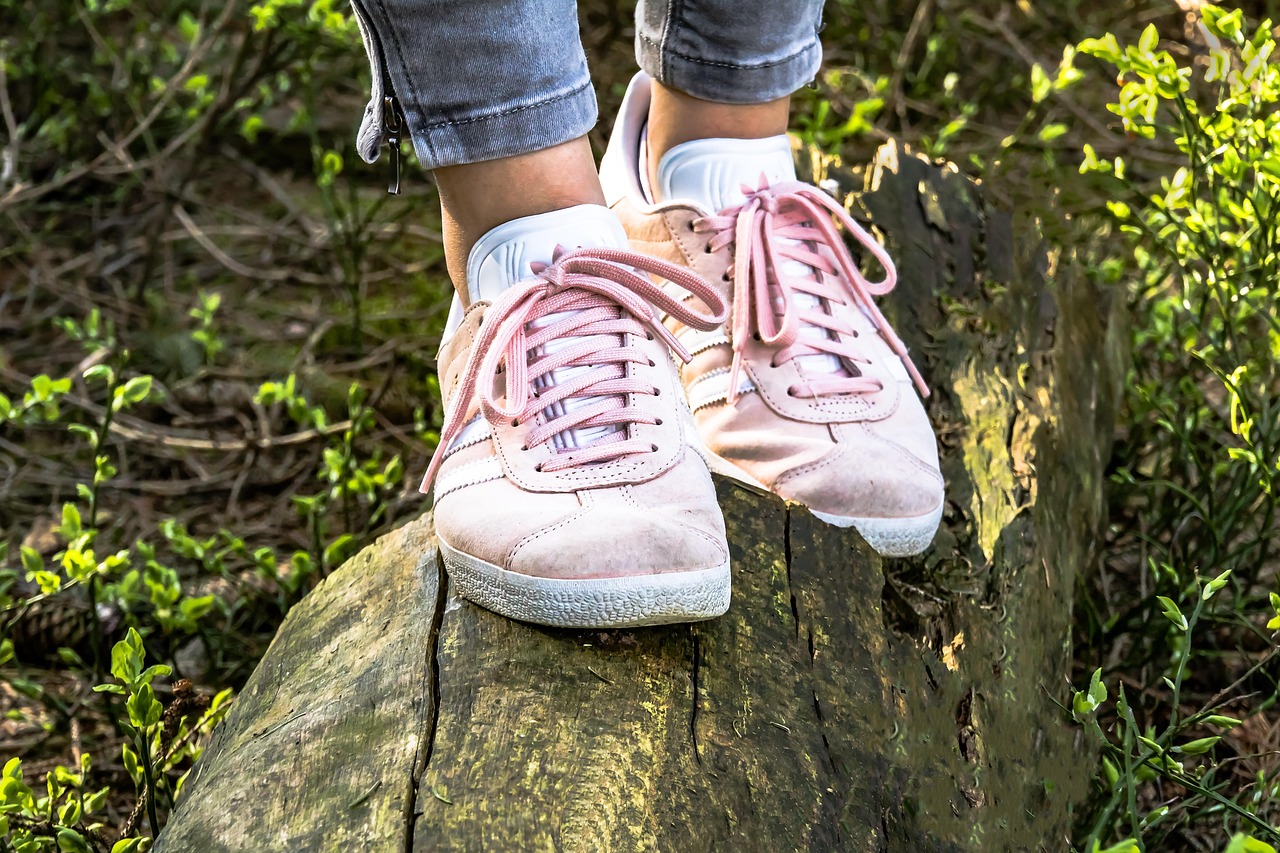
While balance boards offer exciting benefits for children, safety should always be a priority. Parents and educators must ensure that kids use the boards in safe environments. A suitable surface, such as carpet or rubber mats, can minimize risks of slips and falls. Children should be supervised whenever they are engaging in activities that involve balance boards, especially when trying new moves. Additionally, choosing the right size and type of balance board based on a child’s age and skill level is crucial. Starting with less challenging boards helps build confidence before transitioning to advanced ones. Wearing appropriate footwear can also contribute to safety; shoes with good grip reduce the chances of slipping. Parents can emphasize the importance of proper techniques to avoid injury. Teaching children safe dismounting methods is just as important. Children should learn to step off the board instead of jumping off to maintain stability. Having first aid equipment readily accessible can also be beneficial. By following these precautions, parents can ensure that their children experience all the positive aspects of balance boards while minimizing potential risks during fun activities.
As children become more experienced with balance boards, they can begin to diversify the activities they perform. This can include implementing balance routines into sports practices, gym classes, or even dance lessons. For example, gymnasts can benefit significantly from balance training as it enhances their performance in routines. Similarly, athletes in sports requiring agility will find such training invaluable for improving their game. Activities that combine balance with fun music can further enhance enjoyment and motivation. As an added benefit, integrating balance activities can lead to healthier and more energetic kids. These routines can be adjusted to fit different age groups and skill levels, ensuring everyone can participate. Incorporating technology, like apps that feature balance challenges, could also make sessions more interactive. Many children respond well to technology, so using these methods can be beneficial. The key to successful balance training is consistency; regularly practicing promotes faster improvements. Children often thrive when they see tangible progress, which can bolster their interest in continued participation. With diverse approaches, balance boards remain a versatile tool for developing children’s fitness, contributing significantly to their growth.
Conclusion: Encouraging Lifelong Health Habits
In conclusion, balance boards are versatile tools that pave the way for developing stability, confidence, and fitness. They offer children various physical and mental benefits that can encourage lifelong healthy habits. The journey through balance training opens avenues for individual growth and social interaction among peers. Caregivers play an essential role in this process, ensuring safety and nurturing an environment for fun and exploration. As children engage consistently, they build resilience, enhancing their overall well-being. Balance boards are more than just fun; they create a platform for children to challenge themselves in a supportive space. The joy in mastering their control and improving their abilities aids in shaping a positive body image. This approach toward fitness becomes even more rewarding when shared with family and friends. The lessons children learn today can translate into future pursuits, guiding them toward a healthy lifestyle. Balance boards can be an exciting addition to a child’s fitness regimen, offering lasting benefits. By encouraging kids to embrace active play through balance training, we’re helping them cultivate an appreciation for fitness that will serve them well throughout their lives.
Integrating balance boards into children’s fitness is crucial. The benefits they bring to stability and confidence enhance a child’s overall physical development. Regular practice leads to improved balance, coordination, and strength—essential traits in any activity. Balance boards nurture not only physical but also social skills when used collaboratively, fostering communication and teamwork. Parents can take part, creating a bond during fun activities, setting a positive example. Safety is paramount; children must be supervised, using appropriate boards matched to their skill levels. Ensuring a soft surface underneath the activity helps prevent injuries. With an enjoyable approach, children grow to appreciate these exercises, turning fitness into a fun and engaging experience. The creativity in balance training keeps kids focused and invested in their fitness journey. Progress should be documented to boost confidence and encourage a continued interest in balance-related activities. As balance boards complement various sports and movement disciplines, they instill essential concepts about health and fitness within a broader context. Overall, balance boards are an effective tool, contributing positively to children’s fitness journeys and fostering lifelong healthy habits.