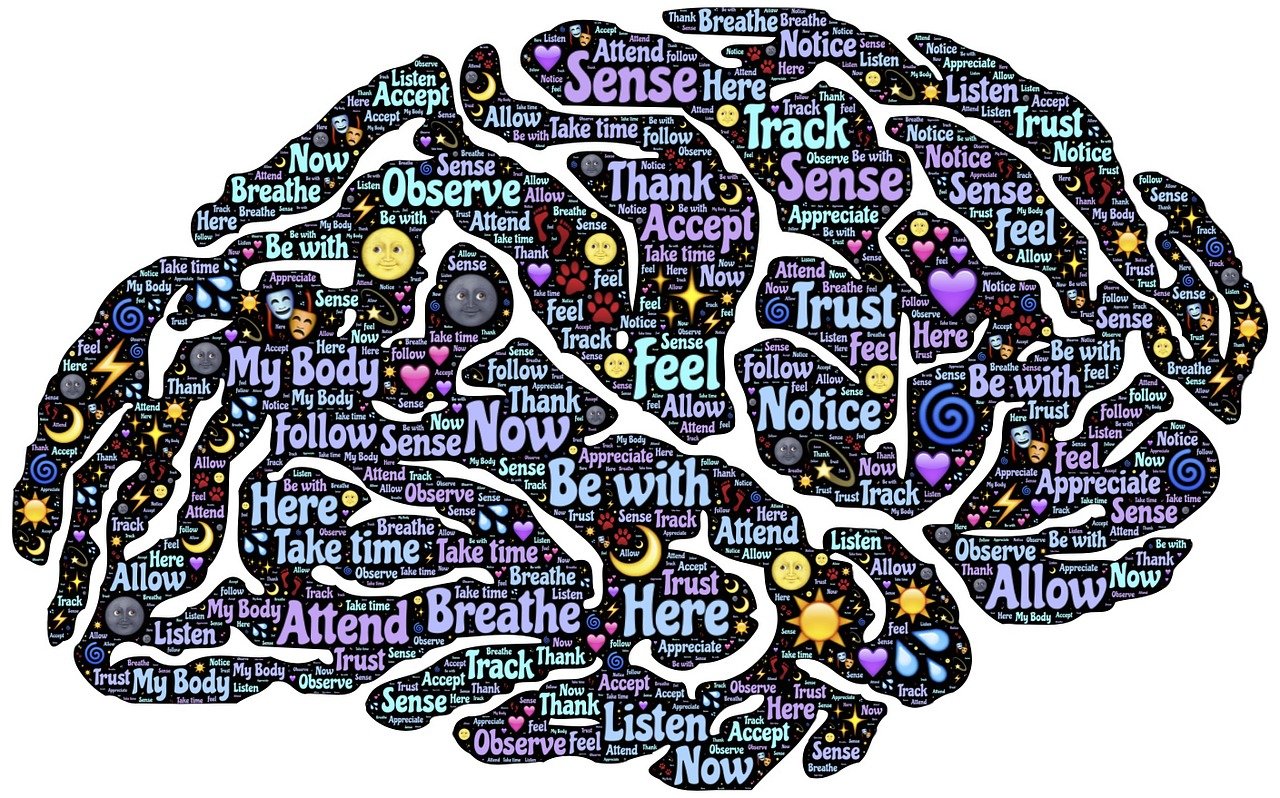

Mind-Body Connection During Warm-up and Cool-down
The mind-body connection is a crucial aspect of athletic performance, particularly during the warm-up and cool-down phases of exercise. Engaging both the mental and physical components prepares the body for strenuous activities while minimizing the risk of injury. When athletes increase their body temperature and heart rate through warming up, they naturally prepare muscles and joints for action. This primes athletes for better performance, as the mind anticipates the physical demands ahead. Engaging in mental exercises, such as visualization, can significantly enhance focus and readiness. By picturing successful movements, athletes create neural pathways that facilitate performance. Thus, a concentrated mind contributes greatly to physical prowess. On the contrary, incorporating calming techniques during cool-down assists athletes in transitioning out of high-intensity performance modes. This mental shift not only aids physical recovery but also promotes relaxation, which is essential for muscle repair. Both phases serve as reminders to connect intention and action, ensuring optimal results. Ultimately, understanding this connection allows athletes to enhance their approach to training, further improving their skills through intentional practice.
Various warm-up techniques allow athletes to improve flexibility and strength, increasing their performance potential. Dynamic stretches, sport-specific drills, and mobility exercises constitute effective warm-up strategies. By incorporating elements that stimulate the mind such as rhythm or deep breathing, athletes enhance their focus. For instance, performing movements synchronously with breathing patterns aids coordination, making the body feel lighter and more agile. Additionally, activating specific muscle groups that will be used in the activity helps establish a connection with the forthcoming movements. In contrast, the cool-down phase emphasizes recovery, which requires mindfulness. Methods such as static stretching not only promote physical flexibility but also encourage mental relaxation. Focusing on breathing deeply during stretches helps release built-up tension while promoting a smoother transition back to a resting state. This quality time allows athletes to mentally process their performance, reflecting on what worked well and what could improve. These stages flourish with an understanding of the mind-body connection and its impact on recovery and performance. Athletes who intentionally utilize these techniques can expect a more profound enhancement in their overall athletic experience.
Psychological Benefits of Mindfulness in Warm-up
Mindfulness has emerged as a powerful tool for athletes seeking to optimize their performance. Practicing mindfulness during warm-up enhances mental clarity and facilitates a more focused approach. Athletes who engage in mindfulness techniques consciously pay attention to their movements, fostering a deeper, more intuitive understanding of their body’s capabilities. By staying present, they become attuned to any discomfort or tension that might indicate an area needing further attention. As warm-up becomes a ritual infused with intention, athletes find they perform better and respond to sudden challenges with more ease. Moreover, focusing on breathing patterns during warm-up can significantly reduce pre-competition anxiety. Recognizing the breath’s rhythm and anchoring attention to it creates a sense of calmness. This state of equilibrium guides athletes through the warm-up process, increasing their confidence levels as they enter the competitive arena. The psychological aspect of being mindful prepares their mental game as rigorously as physical training does. Moreover, athletes who adopt this mindful approach develop resilience over time, ready to face unpredictable emotional challenges during competition without losing their composure.
Benefits of a Proper Cool-down
The importance of a proper cool-down cannot be overstated. This segment helps restore the body to its pre-exercise state, essential for muscle recovery and injury prevention. Engaging in cool-down sessions lowers heart rates gradually, ensuring that the body can adapt while facilitating detoxification through the elimination of built-up lactic acid. As muscles relax, static stretching becomes particularly advantageous, as it increases flexibility and reduces muscle tension. During this phase, incorporating reflective practices fostering gratitude or accomplishment benefits mental well-being. Athletes acknowledge their efforts, which can boost self-esteem and encourage positive associations with their training. Engaging in restorative hydration and nutrition further supports recovery. Hydration, enriched with electrolytes, plays a vital role in fluid balance after intense exertion. Nutrition post-workout also feeds the body needed minerals and nutrients, enhancing recovery. Moreover, mindfulness during the cool-down allows athletes to relish their performance, fostering a deeper connection with their training journey. Consequently, both mind and body harmonize during this important phase, leading to overall improved performance in future sessions and competitions.
Athletes can employ various techniques to integrate effective mindfulness strategies into their routine. For instance, warming up with guided breathing exercises using techniques like ‘box breathing’ fosters focus and purpose. Imagery plays a powerful role as well; picturing themselves performing at their best during warm-ups creates positive mental frameworks. During cool-down, employing visualization techniques shifts the focus to gratitude and relaxation, reinforcing a holistic view of the performance. Additionally, practices such as yoga can be incorporated, emphasizing breath work while strengthening flexibility and relaxation simultaneously. A combination of transition and reflection during these phases creates an ingrained habit, promoting superior mind-body synergy. This level of awareness cultivates a sense of personal ownership over training and performance, significantly enhancing mental resilience. The transition from high-intensity exertion to a relaxed state is seamless when both mind and body cooperate. This holistic approach ultimately prepares athletes not just physically but mentally for challenges ahead, enhancing their overall performance. By implementing these strategies consistently, athletes foster a culture around excellence that permeates their entire training philosophy.
Implementing the Mind-Body Connection
Creating an intentional routine around warm-up and cool-down helps embed the understanding of the mind-body connection in an athlete’s practice. Furthermore, athletes can collaborate with coaches and trainers to develop individualized warm-up protocols that address both physical and mental needs. Communication and feedback are key components of implementing these practices effectively. As athletes learn to express their sensations and perceptions, they develop greater body awareness, improving training outcomes. Workshops focusing on the mental aspect of performance are also beneficial. These workshops can include visualization, breathing exercises, and cognitive resilience training to empower athletes. Incorporating periodic assessments to gauge mental readiness and well-being can make this holistic approach well-rounded. The inclusion of these practices in workout plans creates a conducive environment where athletes can thrive. Reading books or listening to podcasts on mindset approaches similarly increases awareness that can positively influence warm-up and cool-down practices. Enhanced emotional intelligence becomes vital, enabling athletes to navigate their experiences with clarity and forethought, which can lead to remarkable changes in performance and enjoyment of the sport.
In conclusion, the importance of fostering a mind-body connection during warm-up and cool-down cannot be understated. Athletes who prioritize this connection experience improved physical and psychological benefits that enhance their overall athletic performance. Each stage serves distinct functions but ultimately intertwines to create a balanced experience, ensuring success in the competitive arena. Engaging mindfully in each exercise promotes readiness both physically and mentally. Moreover, implementing structured warm-up and cool-down strategies creates an effective routine that athletes can rely on. The psychological benefits gained from mindfulness practices during these phases extend beyond performance, helping athletes cultivate resilience and emotional stability. This comprehensive framework fosters connections with oneself and the sport, which can lead to enhanced motivation and satisfaction. As athletes become more in tune with their mind-body dynamics, performance enhances significantly. Whether one is a seasoned competitor or a beginner, understanding and practicing this mind-body connection opens a wealth of opportunities to improve skills and enjoyment in sports.
Ultimately, ensuring that every session incorporates these insights into warm-up and cool-down enhances the benefits gleaned from training. An engaged athlete transforms the way they view their training and performance. Through this perspective shift, athletes recognize the essential nuances that influence their performance outcomes. As they invest time in both physical preparation and mental clarity, they create a comprehensive approach to athletic development that rewards dedication and consistent effort. The journey into elite performance becomes more fulfilling when athletes appreciate the wholesome role of their mind-body connection. As more athletes embrace these principles, the sporting community as a whole evolves towards a healthier and more mindful future.