
Common Injuries in Horseback Riding and How to Prevent Them
Horseback riding is an exhilarating outdoor adventure, yet it is not without risks. Riders, regardless of their experience, can face various injuries ranging from minor to severe. Common injuries include fractures, sprains, and contusions that may arise due to falls or accidents. Falls are one of the primary causes of injuries in horseback riding, leading to broken bones or head injuries. Wrist, ankle, and collarbone fractures are the most frequent among novice riders who are still mastering their balance and coordination. Additionally, soft tissue injuries, such as strains and sprains, can occur when riders do not warm up before riding or when they fall awkwardly. Moreover, the horse’s unexpected movements can cause the rider to lose balance and fall. To mitigate such injuries, riders must adopt preventive measures, including wearing proper safety gear and ensuring the horse is well-trained. Recognizing the potential risks and understanding how to manage them is crucial for anyone engaging in this sport.
Essential Safety Gear for Riders
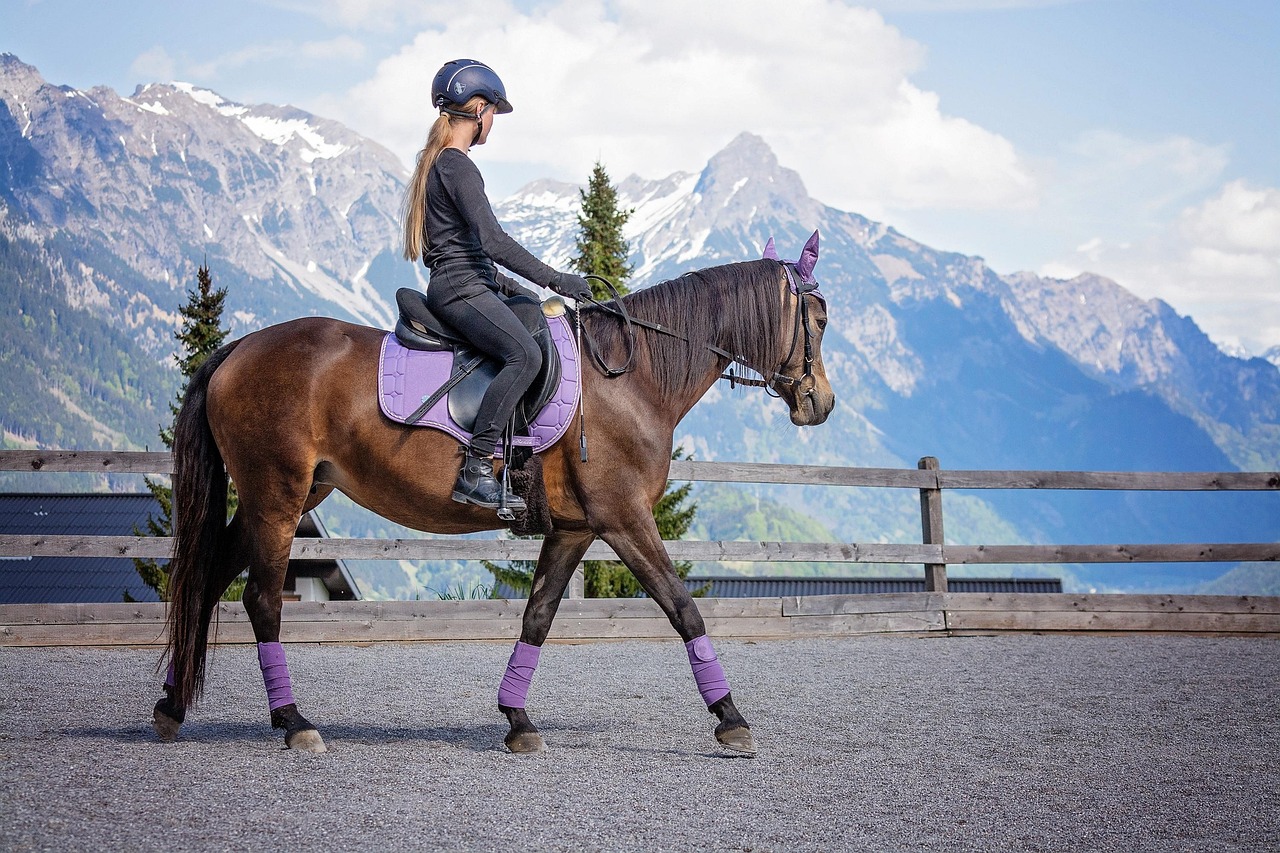
Wearing appropriate safety gear can greatly reduce the risk of injury while horseback riding. Essential equipment includes a properly fitted riding helmet, which is crucial in protecting the head from trauma during a fall. A riding vest adds an extra layer of protection, particularly to the torso, especially in eventing disciplines. It’s also wise to wear sturdy boots with a heel to prevent feet from slipping through the stirrups during sudden movements. Other beneficial items include gloves for a better grip on the reins and comfortable clothing that allows for an unrestricted range of motion. Riding in breathable materials is also advisable to maintain comfort during the ride, as it reduces the risk of chafing or overheating. When engaging in more adventurous riding, like trail riding or jumping, additional protective gear such as shin guards or body protectors may be beneficial. Riders must also regularly inspect their gear for any signs of wear or damage to ensure maximum safety. Investing in quality safety equipment enhances your riding experience significantly by providing peace of mind.
Among the various injuries, one of the most concerning is the concussion, which can lead to severe health complications. Riders often overlook the importance of a helmet, believing it is unnecessary, but statistics show that wearing one significantly decreases the chance of a concussion. Helmets equipped with modern safety features provide additional protection and comfort. In scenarios where the horse unexpectedly spooks or stumbles, a rider who wears a helmet is much less likely to suffer a serious injury. Falls can happen even to experienced riders, especially in challenging terrains or while performing specific maneuvers. Moreover, learning how to fall properly is a valuable skill. Riders should practice techniques on how to roll upon landing rather than brace for impact, which can lessen injury severity. It’s essential to also cultivate a strong bond and understanding with the horse. Spending time with the horse on the ground builds trust, essential for a successful ride. A well-prepared rider is always more alert and responsive, lessening the likelihood of accidents and injuries overall.
Tips for Preventing Common Injuries
Preventive measures are essential in minimizing the risk of injuries in horseback riding. First and foremost, riders should have proper training. Understanding horse behavior and body language can aid in anticipating potentially dangerous situations. Regular participation in riding lessons helps maintain and develop necessary skills, establishing a solid foundation for safe riding practices. Additionally, warm-ups before riding are crucial for both horse and rider. A thorough warm-up routine prepares the muscles, enhancing performance and reducing the risk of injury. Not only does it promote flexibility, but it also helps establish effective communication between the horse and rider. Additionally, riders should engage in strength training outside of riding sessions to improve muscle tone and balance. Building core strength is particularly beneficial, as it enhances stability while riding. It’s also important to select suitable horses for one’s skill level. Beginners should start with calm, well-trained horses to lessen the likelihood of accidents. Understanding limits and identifying when to stop for the day prevents pushing oneself too hard. All these tips are essential for a responsible riding experience.
Another common injury among riders is the ankle sprain, which can occur during mounting, dismounting, or if the horse moves unexpectedly. Riders should always take care when getting on and off the horse, ensuring that the horse is secured calmly while they perform these actions. Using mounting blocks can facilitate easy mounting and dismounting, minimizing the risk of falling. Proper footwear plays an essential role; boots should fit well and provide ample grip. Riders should also be aware of the riding terrain and adjust accordingly. For example, riding on hard or uneven surfaces can increase the likelihood of falls and injuries. Riders should develop better balance and coordination through regular practice in various riding disciplines. Enrolling in specialized riding clinics can further refine these skills. Resting adequately between rides is vital to prevent fatigue, as tired riders are more prone to accidents. Having a valid first aid kit easily accessible while riding can make a significant difference in an emergency. Understanding basic first aid practices can provide riders with the confidence needed to address minor injuries effectively.
Awareness of Horse Behavior
Understanding horse behavior is crucial in ensuring a safe riding experience. Horses, while often perceived as calm, can be unpredictable, especially in new environments or around unfamiliar objects and animals. Riders need to learn about their horse’s body language and behavior patterns, as this knowledge can be invaluable when responding to sudden changes in mood or action. Behaviors such as tail swishing or pinned ears can indicate discomfort or agitation. Riders must be proactive in recognizing these signs and taking appropriate measures. Regularly working with the horse on groundwork fosters a better understanding of each other’s signals. Additionally, desensitizing the horse to various stimuli, such as loud noises and moving objects, can help in preventing reactions that lead to accidents. Training sessions should be conducted in a calm and controlled environment to avoid stressing the horse. A well-trained horse is less likely to react unpredictably, thereby reducing injury risks for both rider and horse. Educating oneself in equine psychology can help riders form trusting relationships with their horses, enhancing the riding experience.
Lastly, staying informed about health and maintenance practices for horses is essential. Proper nutrition, regular veterinarian checkups, and adequate exercise for the horse contribute to its overall well-being and performance. Riding a healthy horse not only promotes a better experience but also decreases the chance of accidents arising from the horse’s discomfort or illness. Regular hoof care and maintaining good tack condition are equally important aspects. Riders should check for any signs of wear on saddles and bridles, ensuring they fit well and do not cause harm. Poorly fitted tack can result in behavioral issues or discomfort for the horse, leading to unpredictable reactions. Cooperation between rider and horse creates a safer environment and significantly reduces the possibility of injury for both parties. Riders should also encourage open communication with trainers and farriers to discuss the best care practices for their horses. By investing time and resources into both rider safety and horse welfare, individuals can enjoy an enriching horseback riding experience, free from unnecessary risks.
Conclusion: Emphasizing Safety First
In conclusion, horseback riding is a rewarding outdoor adventure that comes with inherent risks. By recognizing the common injuries that can occur and implementing preventive measures, riders can minimize their chances of injury significantly. Wearing appropriate safety gear, understanding horse behavior, maintaining both rider and horse health, and staying well-trained are essential components of a safe riding experience. Riders should foster trust and communication with their horses, ensuring that both are confident during every outing. Continuous education through lessons or riding clinics can enrich the riding experience and teach vital safety measures. Emphasizing safety first creates an enjoyable atmosphere for riders of all levels, whether they are beginners or seasoned experts. Any outdoor activity presents risks, but preparation, awareness, and precautions will lessen them. Every ride can become memorable for the right reasons with adequate preparation and care. Ultimately, taking responsibility for one’s safety and that of the horse will lead to countless enjoyable adventures without compromising health or safety. Riders should make informed decisions that prioritize wellness for themselves and their horses while enjoying this fantastic sport.