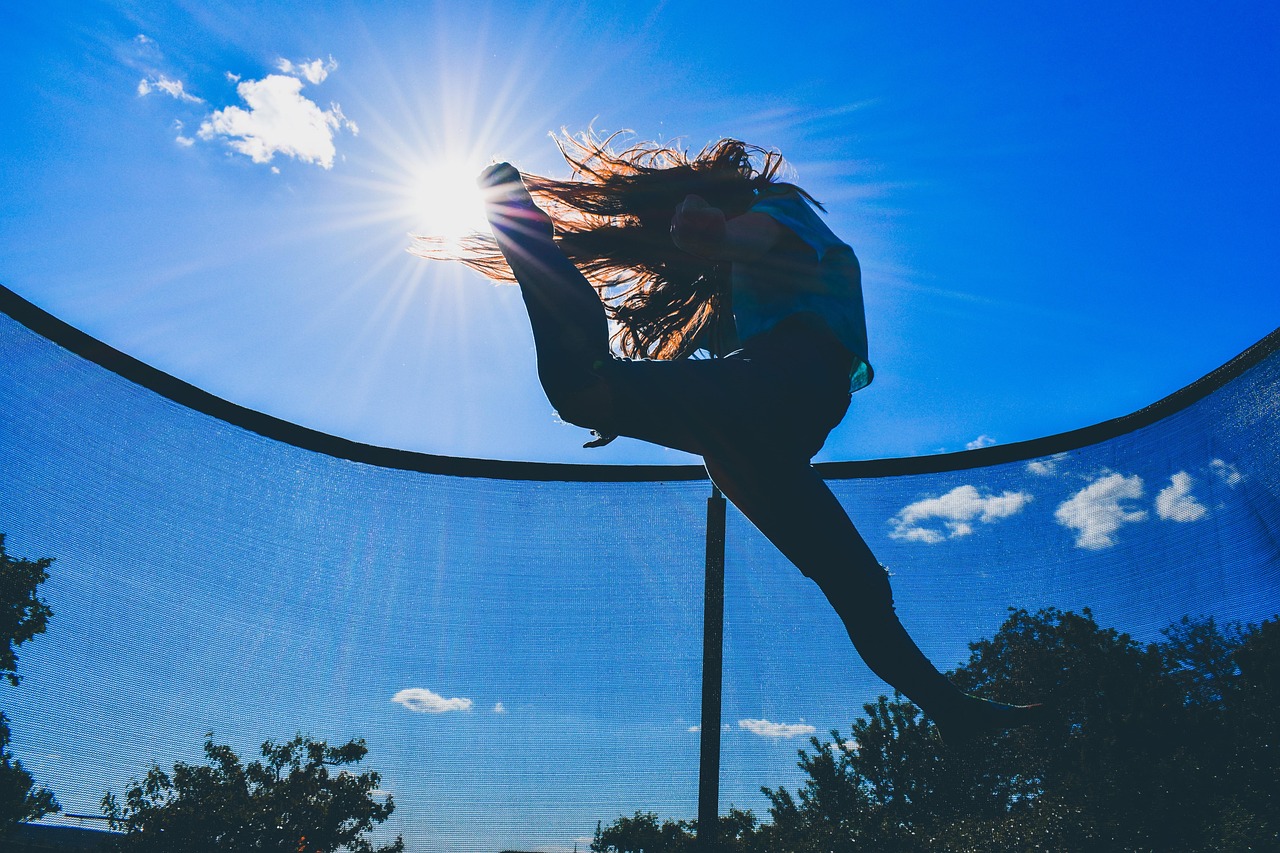

Balance Challenges to Improve Focus and Stability
Improving balance and coordination is essential for overall health, especially in children and the elderly. Balance challenges can enhance proprioception, which is the body’s awareness of its position in space. Engaging in balance activities leads to better stability and focus during daily activities, preventing falls and injuries. Consider incorporating various fun challenges, such as standing on one leg while performing a different task, or participating in balance games to develop these skills. Many of these activities can easily be adapted for all age groups and fitness levels. Simple tools like balance boards and exercise balls can provide additional support while offering increased difficulty. Games that involve hopping, skipping, or jumping can also enhance balance. Furthermore, teamwork is encouraged through activities that require players to work together toward a common goal, improving focus and coordination. By integrating balance exercises and games into routine fitness schedules, individuals can increase their physical literacy, ensuring safety and resilience in various physical pursuits, both recreational and daily. Overall, these challenges can serve as an engaging way to build essential life skills.
Fun Balance Games for Children
Children naturally benefit from engaging in play, making balance games an effective method to enhance their balance skills. Simple games such as the “Animal Walk” require kids to mimic the movements of different animals; for example, they can hop like a frog or waddle like a duck. These activities help develop coordination, strength, and balance. You can also introduce relay races where children must balance a small object on their head or shoulder while running from one point to another. Interestingly, these challenges not only promote confidence but also encourage teamwork and competitive spirit, fostering social skills. Another exciting option is the creation of obstacle courses incorporating various balance elements such as narrow beams, hopping sections, and crawling tunnels. Using hula hoops or balance discs can increase the intensity of these games. Importantly, children must maintain their focus to successfully complete tasks, which enhances their cognitive skills. Practicing these games regularly can help boost the children’s overall athleticism and agility, making them more adept at sports and other physical activities. Most importantly, they provide entertainment while improving necessary skills.
For adults, balance challenges can be equally effective and enjoyable. Engage in activities like yoga or tai chi, both of which improve stability and focus through controlled movements. Using balance tools like Bosu balls or stability cushions during workouts significantly enhances core strength, aiding in overall balance. Classes focusing on functional fitness often incorporate these elements, allowing participants to engage in enjoyable yet challenging routines. Encouraging friends or family to join creates a social atmosphere that fosters accountability and motivation. Group games, such as cooperative balance exercises where individuals hold a pose together, can also develop teamwork and enhance concentration. Challenge yourself by including dynamic movements, such as lunges or squats, shifting your weight while balancing on one leg to improve coordination. For a more competitive twist, consider participating in local balance challenges or community fitness events, which can be both inspiring and rewarding. This not only builds physical skills but fosters connections within the community. Regular participation and integration of diverse balance activities can lead to enhanced stability, preventing injuries and improving overall quality of life as one ages. It ensures a fun approach to maintaining fitness.
Simple Balance Exercises for Everyday Practice
Integrating basic balance exercises into your routine can prove highly beneficial in improving stability. Start with fundamental movements like the ‘Single-Leg Stand’ by balancing on one leg for a set duration. Gradually increase the hold time as you become more comfortable. Another valuable exercise is the ‘Heel-to-Toe Walk’, which involves walking in a straight line, placing the heel of one foot directly in front of the toes of the other. This focuses on precision and control while enhancing coordination. Implementing core stability exercises like planks or bridges will also fortify the muscles that support balance. A fun twist can include challenging yourself with a series of movements on an unstable surface, such as standing on a rolled-up towel or foam pad. Additionally, consider incorporating yoga poses, such as the ‘Tree Pose’, which actively engages core muscles and improves overall body awareness. These exercises provide variety while addressing focus and stability. Practicing consistently supports better results. To maximize benefits, aim for balance training at least two to three times per week. As you progress, try varied routines to challenge your abilities.
Incorporating technology can make balance training more fun and engaging, especially with the rise of apps and virtual workout programs. Utilizing fitness trackers or smart devices can allow users to monitor their progress in balance-related activities. These tools often include visual feedback, encouraging users to improve their performance over time. Virtual classes targeting balance challenges are widely available and can be accessed from the comfort of home. These online platforms provide interactive workouts that mix traditional exercises with exciting games to capture attention and enhance motivation. Many programs also include customizable features to help users tailor workouts to their preference and skill level. Additionally, social media platforms are full of balance challenges that encourage users to share their progress and connect with others. Participating in these communities can provide support and motivation, as well as introduce new ideas and activities to keep workouts fresh. Creative competitions can also arise from this online interaction, making fitness goals more enjoyable to achieve. Ultimately, embracing technology and community can amplify the benefits of balance training on personal fitness journeys.
Benefits of Improved Balance
Improving balance has numerous benefits that extend beyond physical prowess. Enhanced coordination significantly reduces the risk of falls, a primary concern for athletes and older adults alike. Additionally, better balance contributes to improved posture, which alleviates strain on muscles and joints. Balancing exercises promote body awareness, enabling individuals to engage more fully in physical activities. Enhanced focus during these activities can lead to an overall sense of well-being, reducing feelings of stress and anxiety. Furthermore, regular participation in balance activities cultivates resilience, as individuals learn to adapt and respond to changing environments. This is particularly important for athletes, who must often react quickly within dynamic situations. Engaging in balance challenges can also improve athletic performance, benefiting sports that require agility and stability, such as gymnastics or dance. Additionally, improved balance and coordination can lead to more enjoyable workouts, enhancing long-term commitment to fitness. Mind-body exercises, like yoga, positively impact mental health while bolstering physical attributes. Therefore, creating a balanced training routine stands as a cornerstone of wellness, offering holistic advantages for both the mind and body.
In conclusion, embracing balance challenges and games significantly enhances stability and focus, instilling essential life skills across age groups. These activities serve as enjoyable methods to improve balance while promoting social interactions among participants. From simple exercises to fun-filled games, the varied approaches provide something for everyone, making balance training an appealing aspect of fitness routines. Incorporating these challenges allows individuals to develop physical competence while building confidence, crucial for overall health. Moreover, utilizing technology and online resources can make balance training even more accessible, providing tailored experiences that fit individual needs. Encouraging family and friends to join enriches the experience and ensures a supportive environment for success. Above all, it is vital to have fun while challenging oneself, as enjoyment leads to consistency and long-term commitment. As skills improve, individuals gain a profound sense of achievement, motivating them to continue their fitness journey. Ultimately, a commitment to balance and coordination training lays the foundation for a healthier, more balanced life, enhancing day-to-day functions, athletic performance, and overall well-being.