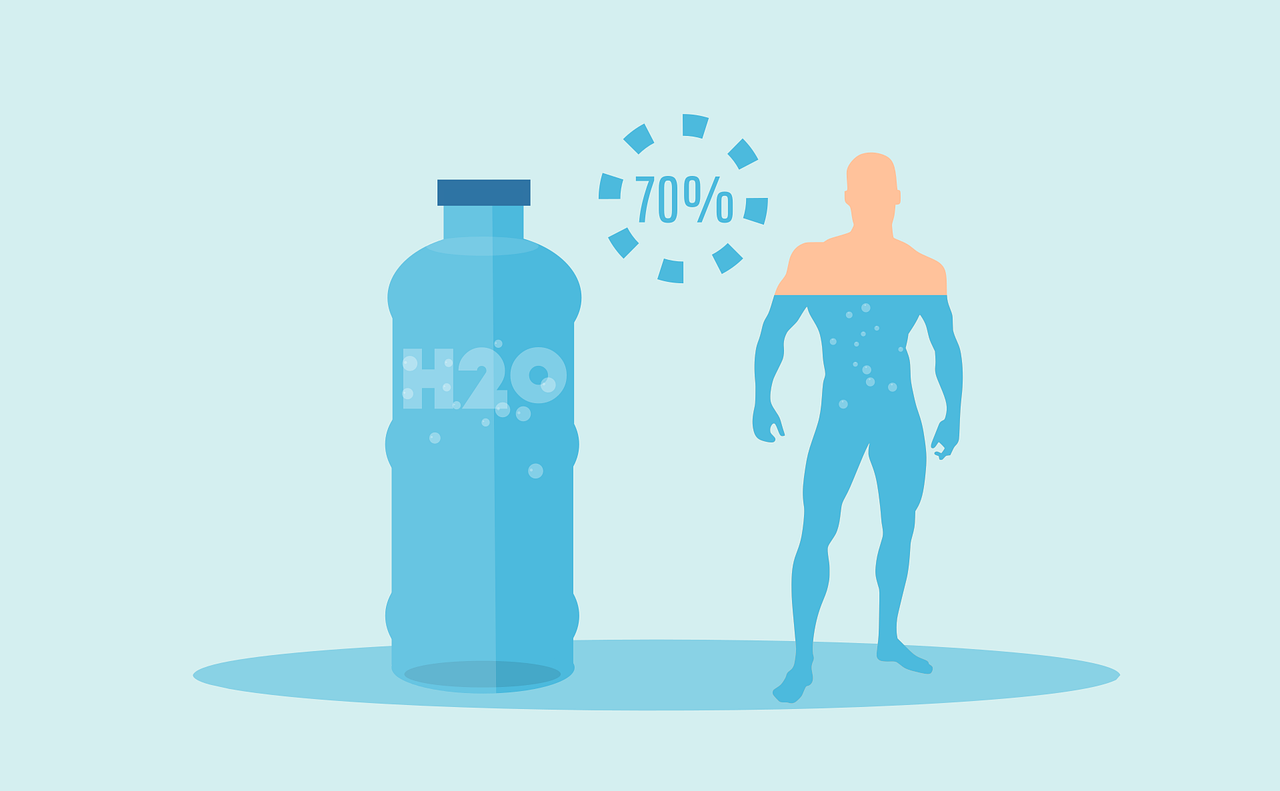

Hydration plays a critical role in human cognitive function. The brain is composed of approximately 75% water, and maintaining optimal hydration is essential for performing various cognitive tasks effectively. Research suggests that mild dehydration can lead to significant declines in concentration, alertness, and short-term memory. Therefore, continuously monitoring hydration status is necessary to support mental performance in everyday activities. Individuals involved in cognitive-intensive activities must especially prioritize hydration management to sustain peak cognitive performance. Understanding the hydration levels required by different populations can inform strategies tailored to their unique demands. For instance, athletes, students, and professionals may all have different hydration needs based on their activities. Implementing effective monitoring systems can help individuals identify their hydration status accurately, allowing them to make informed decisions regarding fluid intake. Utilizing tools such as electronic monitoring devices or mobile applications can enhance awareness of hydration levels. Regular assessment of fluid loss through sweat, urine output, and thirst cues can provide actionable insights into an individual’s hydration status. Ultimately, heightened awareness can foster a proactive approach to hydration, securing both cognitive function and overall health.
Maintaining proper hydration is critical for various age groups, particularly in elderly populations. Older adults may have a reduced thirst sensation, making them more susceptible to dehydration and its cognitive ramifications. Studies have shown that inadequate hydration can lead to confusion, reduced cognitive speed, and memory impairments. Consequently, monitoring hydration becomes vital for older adults living independently or within care facilities. Caregivers and healthcare professionals should be trained to recognize the signs of dehydration and encourage fluid intake among seniors. Regular encouragement to drink water, fruit juices, or other hydrating fluids is recommended to prevent cognitive decline caused by dehydration. Encouraging hydration can be achieved by making water more accessible and creating a routine that incorporates fluid intake throughout the day. Monitoring tools, such as hydration logs, can aid in tracking water consumption and ensuring adequate fluid intake. It is also beneficial to incorporate foods with high water content, such as fruits and soups, into meals. Furthermore, interventional programs that promote hydration awareness can mitigate the risks associated with dehydration, enhancing health outcomes among elderly individuals, while sustaining cognitive capabilities.
Impact of Hydration on Cognitive Tasks
Cognitive tasks require considerable neural resources, which can be adversely affected by insufficient hydration levels. As dehydration sets in, attention span, memory recall, and complex problem-solving abilities may begin to decline significantly. Students, professionals, and anyone requiring heightened cognitive function should recognize the importance of hydration to maximize performance. A study highlighted that individuals performing tasks under conditions of mild dehydration showed compromised cognitive speed and accuracy. Moreover, tasks that require sustained attention and executive function appear to be most impacted by dehydration. Simple techniques to combat this include setting reminders to drink water regularly. Another compelling strategy is to consume food items that contribute to overall hydration, such as watermelon or cucumbers. Furthermore, understanding personal fluid requirements based on activity levels and environmental conditions can enhance hydration strategies. Engaging in regular physical activity necessitates increased fluid intake to mitigate sweat loss, thus maintaining cognitive efficiency. Also, using hydration calculators can assist individuals in determining daily hydration needs based on their weight and activity levels, enabling personalized hydration strategies to optimize their cognitive function throughout their busy days.
Moreover, systematic assessment of hydration status can help prevent long-term cognitive decline and associated health issues. Various methods exist to evaluate hydration, such as urine color assessment, weight tracking, and employing hydration monitoring apps. These resources offer essential feedback regarding hydration levels at different times of the day. Urine color can serve as an immediate visual cue, indicating the need for additional fluid intake when dark yellow, suggesting dehydration. Daily weight assessments can provide insights into fluid balance, as significant fluctuations may hint at possible dehydration or overhydration. Apps designed to monitor hydration can help track intake habits and send reminders to encourage consistency throughout the day. By leveraging these tools, individuals can adopt a proactive approach to hydration management, particularly during physical activity or in hotter climates, where fluid loss is accelerated. Staying informed about hydration needs allows individuals to maintain optimal performance in both cognitive tasks and overall daily activities. Consequently, a well-monitored approach to hydration positions individuals to sustain mental agility and improve their overall quality of life, thereby enhancing functional outcomes.
The Role of Hydration Education
Education on proper hydration can bridge knowledge gaps about maintaining optimal cognitive function. It is essential to raise awareness regarding the importance of hydration across various life stages. Educational campaigns can promote the benefits of adequate fluid intake in enhancing memory, concentration, and mood. Informational workshops and seminars can be organized to inform community members of practical hydration strategies. Emphasizing the role of water in physical and mental well-being fosters a greater understanding of hydration’s importance. Additionally, schools can implement hydration education programs, teaching students about the value of drinking water regularly. Parents can be encouraged to model good hydration behaviors by including reminders in daily routines. Communities are also responsible for ensuring access to clean drinking water, which facilitates better hydration practices. Engaging local organizations in promoting public hydration awareness can create a ripple effect, enhancing collective health outcomes. Utilizing social media and digital platforms can further solidify the dissemination of hydration education to reach a broader audience. By prioritizing hydration education, society can holistically address cognitive function and health, creating an environment that fosters informed hydration practices among individuals.
Furthermore, comprehensive hydration education should integrate the role of electrolytes and how they support cognitive performance. Electrolytes, including sodium, potassium, and magnesium, help regulate fluid balance and nerve function. Inadequate intake of these essential minerals can lead to impaired cognitive responses. Understanding when to supplement with electrolytes, especially during intensive physical exertion, can enhance hydration strategies significantly. Activities such as sports, heavy physical labor, or prolonged exposure to heat can deplete electrolytes, necessitating their replenishment through drinks or food sources. Educational initiatives should teach individuals how to recognize signs of electrolyte imbalance, such as muscle cramps, fatigue, or dizziness. Communities can provide resources detailing how to incorporate electrolyte-rich foods, such as bananas, avocados, and nuts, into their diets. By addressing both hydration and electrolyte balance, education can create a holistic framework for cognitive support. Integrating hydration education into health curricula can promote lifelong habits that prioritize proper hydration strategies. Additionally, awareness of hydration’s broader health impacts will empower communities to take control of their cognitive health and well-being.
Monitoring Hydration Through Technology
Advancements in hydration monitoring technology are revolutionizing how individuals maintain optimal hydration. Various wearable devices and apps offer innovative solutions for tracking fluid intake, providing users with real-time data regarding hydration status. These technologies not only remind individuals to drink water but also analyze factors such as physical activity levels and environmental conditions to make personalized hydration recommendations. Some devices even measure sweat rates during exercise to suggest the best times to rehydrate and the amount of fluid needed. Barriers to adequate hydration can be mitigated through the use of technology, providing an easily accessible and customizable hydration plan for users. The incorporation of artificial intelligence in hydration apps has further enhanced their functionality, allowing insights based on individual trends and behaviors over time. Collectively, these technological tools can serve as a motivational factor in enhancing hydration habits and improving cognitive function. By embracing modern technology for hydration monitoring, individuals can create a structured approach to maintain balance and optimal health. Additionally, continued research into the effectiveness of these tools will underscore their importance in promoting cognitive well-being in various populations.
Lastly, as attention to hydration continues to grow, integrating hydration strategies into public health policies is essential. Government and health organizations should prioritize hydration awareness and establish guidelines that promote adequate fluid intake. These initiatives can be tailored to various organizations, schools, workplaces, and community programs. Public campaigns can advocate for better access to hydration facilities, offering free water stations and replacing sodas with water in vending machines. Additionally, nutrition guidelines should include recommendations for daily water intake based on individual needs and demographics. By creating policies that prioritize hydration, authorities can improve overall public health and cognitive function within the population. Ultimately, understanding the relationship between hydration and cognition holds immense potential for enhancing individual and collective health. Continued research will clarify the long-term benefits of maintaining proper hydration and how it relates to improved cognitive performance across diverse age groups. Through scientific insights and data-driven approaches, society can develop a comprehensive framework for hydration strategies that benefits everyone. Improving hydration status directly contributes to cognitive health and wellness, ultimately enhancing daily life outcomes through informed hydration choices.