
Beginner’s Guide to Resistance Bands in Yoga Practice
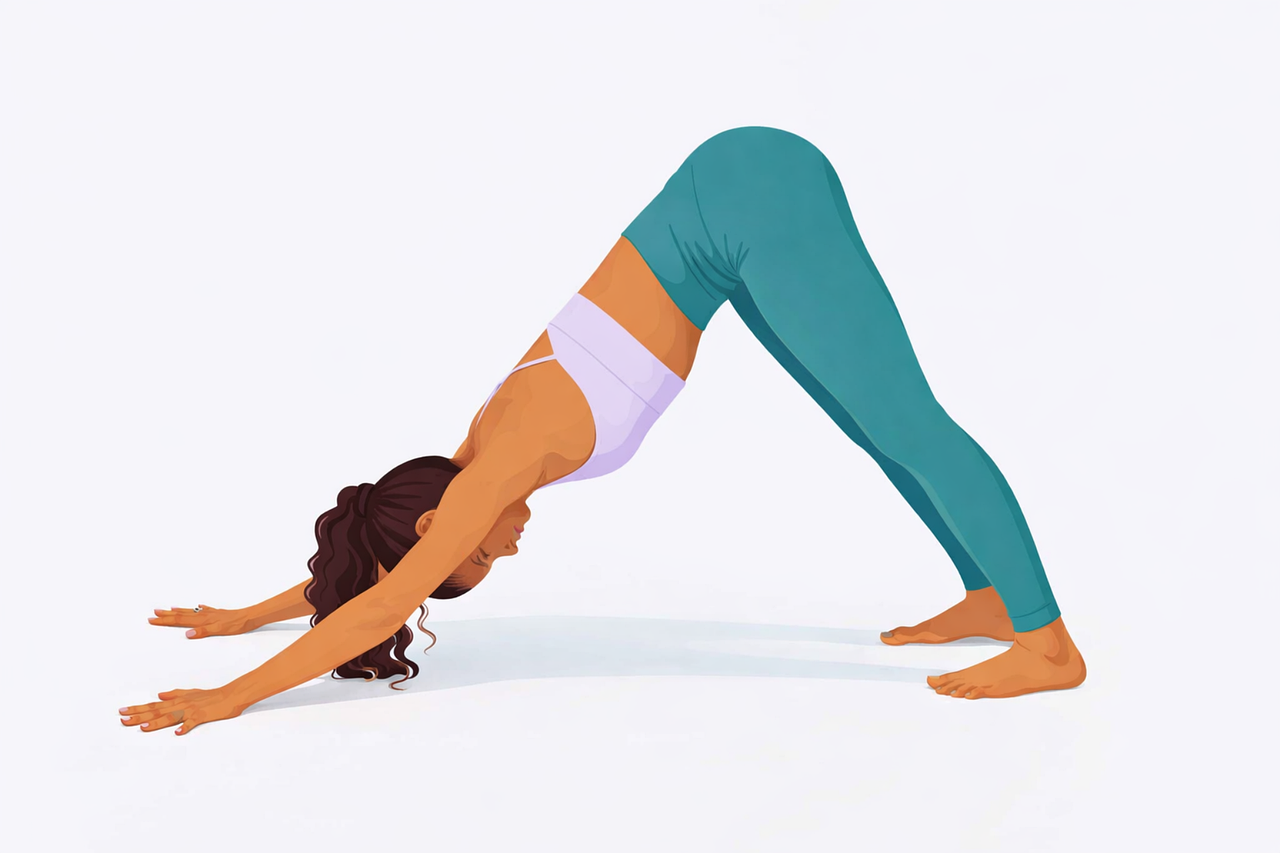
In today’s fitness world, resistance bands are incredibly popular tools that can significantly enhance your yoga practice. These bands offer a unique way to incorporate resistance training into traditional yoga routines. The benefits of using resistance bands include increased flexibility, strength, and stability. When starting with resistance bands, it is important to choose the right type and resistance level that suits your fitness level. Beginners should opt for lighter resistance bands to prevent strain and focus on mastering the forms. One key benefit of resistance bands is that they provide continuous tension, allowing for better muscle engagement throughout each yoga pose. Not only do they aid in warming up your muscles, but they can also deepen stretches and improve alignment. To explore the full benefits of resistance bands in yoga, it’s essential to incorporate them into your routine gradually. Understanding how to use them effectively will lead to a more rewarding practice. Aim to integrate them into basic yoga poses such as the Downward Dog or Warrior II. Doing so can help develop muscle strength while retaining balance and fluidity in your movements. Try to maintain proper form and control while using bands.
Incorporating resistance bands into yoga offers various exercise options. The Versatility of these bands means they can be used for stretching, balance work, or strength training exercises. For instance, using bands during Warrior poses can significantly enhance your alignment and strength. Begin by placing the band securely under your front foot. Grab the other end with the opposite hand, extending it overhead. This setup creates resistance, making the pose more challenging and effective. Additionally, adding bands to movements such as Bridge Pose helps deepen engagement of the glutes and hamstrings, leading to improved stabilization. Resistance bands allow for progressive workouts, helping you achieve both strength and flexibility, vital components in yoga. It’s essential to listen to your body and adjust the resistance according to your comfort level. Perform each pose with mindfulness and breathe deeply, maintaining connection to your body. Furthermore, incorporating gradual increases in resistance will improve your overall strength in time. Continue to explore various band placements to see what works best for your personal practice, ensuring optimal engagement and effectiveness as you advance.
Benefits of Resistance Bands in Yoga
Utilizing resistance bands effectively provides numerous advantages, aesthetics being only one aspect. Incorporating them into your regular yoga practice increases the dynamic range of each pose. Bands stimulate muscles and enhance strength, especially in less engaging positions. This is particularly advantageous for beginners, allowing them to focus on foundational strength. Incorporating bands helps create awareness of proper alignment and muscle engagement. Additionally, they assist in maintaining balance while attempting challenging poses. This added support fosters confidence to try advanced asanas. Moreover, bands are lightweight and portable, making them easy to transport for outdoor yoga or traveling purposes. Practicing yoga with bands also caters to rehabilitation. They offer gentle support during recovery, making it easier for practitioners to regain strength after an injury. Enveloping bands around different body parts during yoga allows modified positions, making various styles accessible for everyone. The cost-effectiveness of bands adds to their appeal, as they are an inexpensive fitness tool. In summary, incorporating resistance bands into yoga provides effective strength building, supports recovery, and aids in improved performance within poses.
Safety should always be a prime concern when using resistance bands in yoga. Start slowly and learn how to manage your limits. Overextending can potentially lead to injury, especially if you’re not accustomed to resistance training. As a beginner, maintain awareness of your body and allow yourself time to adjust. It is equally important to carefully select your bands for both length and resistance. Ensure the bands are in good condition, free of any tears or significant wear, as damaged bands can snap unexpectedly. Adapting poses may help them remain safe and comfortable as you transition into band use. Focus on controlled movements to prevent any sudden strain on your joints or muscles. Emphasize breathing and mindfulness to foster greater body awareness during your practice. Staying attentive to how your body reacts to resistance will guide you in adjusting your techniques accordingly. It is advisable to consult a fitness professional or experienced instructor when integrating new equipment into your routine. They can offer tips and modifications to ensure a smooth transition. Prioritizing safety throughout your practice is essential for reaping the many benefits of resistance bands.
Basic Resistance Band Exercises for Yoga
To get started with resistance bands in your yoga practice, try incorporating basic exercises into your routine. Begin with exercises such as Standing Row. This involves placing the band under your feet while pulling the ends to your chest. It’s excellent for engaging back muscles while enhancing posture. Next, explore Shoulder Press. Stand with the band secured underfoot and press upward, which helps build upper body strength and stability. The Seated Twist can also benefit from bands. By wrapping the band around your feet and holding onto each end, you can deepen the twist while maintaining resistance. Additionally, try Hip Openers. Loop the band around your thighs during pigeon pose for added tension, improving mobility. Another productive exercise is the Band-Assisted Downward Dog. Secure the band around your wrists to create extra support, making this pose more accessible. Incorporating these exercises regularly will enrich your yoga practice, providing enhanced strength, balance, and flexibility. Don’t forget to focus on controlled breathing during these movements, enriching your experience further.
Creating a personalized routine with resistance bands can support continuous improvement in your yoga practice. Combine static and dynamic movements for balanced workouts and aim for versatility in your training sessions. A well-structured routine might include a warm-up phase, main exercises targeting strength and endurance, and a cooldown phase with gentle stretches. Focus on gradually increasing the intensity of your workouts as you become more comfortable with resistance bands. Tracking progress is essential, as it allows you to observe improvements and make necessary adjustments. Setting specific goals can motivate you. You might aim to perfect a challenging pose or increase the resistance level over time. Additionally, varying your band workouts regularly can prevent monotony and keep your sessions engaging. Explore opportunities to join group classes where band work in yoga is taught. Networking with like-minded individuals can provide inspiration and useful tips for improvement while fostering community connections. Continually evaluate your techniques to ensure you reap maximum benefits as you progress. These adaptations not only challenge your practice but can introduce excitement and innovation, making each band-assisted yoga session unique and rewarding.
Conclusion and Next Steps
Embarking on the journey of incorporating resistance bands into your yoga practice can enrich your experience significantly. Understanding the functional benefits of these bands supports creating an effective routine tailored to your needs. Begin by familiarizing yourself with basic exercises, ensuring form and safety remain priorities during your practice. Listening to your body and integrating gradual adjustments will enhance your journey. Aim to keep your workouts dynamic and engaging, relying on the versatility of resistance bands and the potential to explore various yoga styles. Establish specific goals to help guide your focus and maintain your motivation. You may also wish to consider joining workshops or classes focusing on resistance bands in yoga. There’s immense value in sharing insights with others who are simultaneously exploring this type of practice. Always remember to give yourself time and space to grow within your practice, allowing the resistance bands to complement your flow. Eventually, the inclusion of bands can lead to a transformative experience in your yoga journey, allowing for improved strength and flexibility. As you experiment and explore, most importantly, enjoy the process and celebrate the small victories along the way.
Each journey into resistance bands in yoga presents opportunities for exploration and growth. Whether you are a beginner or experienced yogi, notice how resistance bands enhance your practice uniquely. Challenging traditional postures can help refine your technique and create versatility. Stay curious and experiment with different band types, lengths, and resistances to discover what best serves your practice. You might find new poses more accessible or elevate complex movements with added support. Remember that yoga is about self-exploration and finding joy in your body and movements. As you cultivate strength, flexibility, and stability using resistance bands, celebrate each step of the journey. Ultimately, your practice should feel rewarding and fulfilling. Keep track of your familiarity and improvements, as each session will contribute to your overall growth. Continue to adapt, modify, and evolve your routine, ensuring challenge and engagement is maintained. Sharing experiences with others interested in enhanced yoga practice can also provide insights and tips to incorporate effective use of resistance bands. As you progress on this path, embrace the opportunities that arise, and foster a genuine passion for your enriched practice.