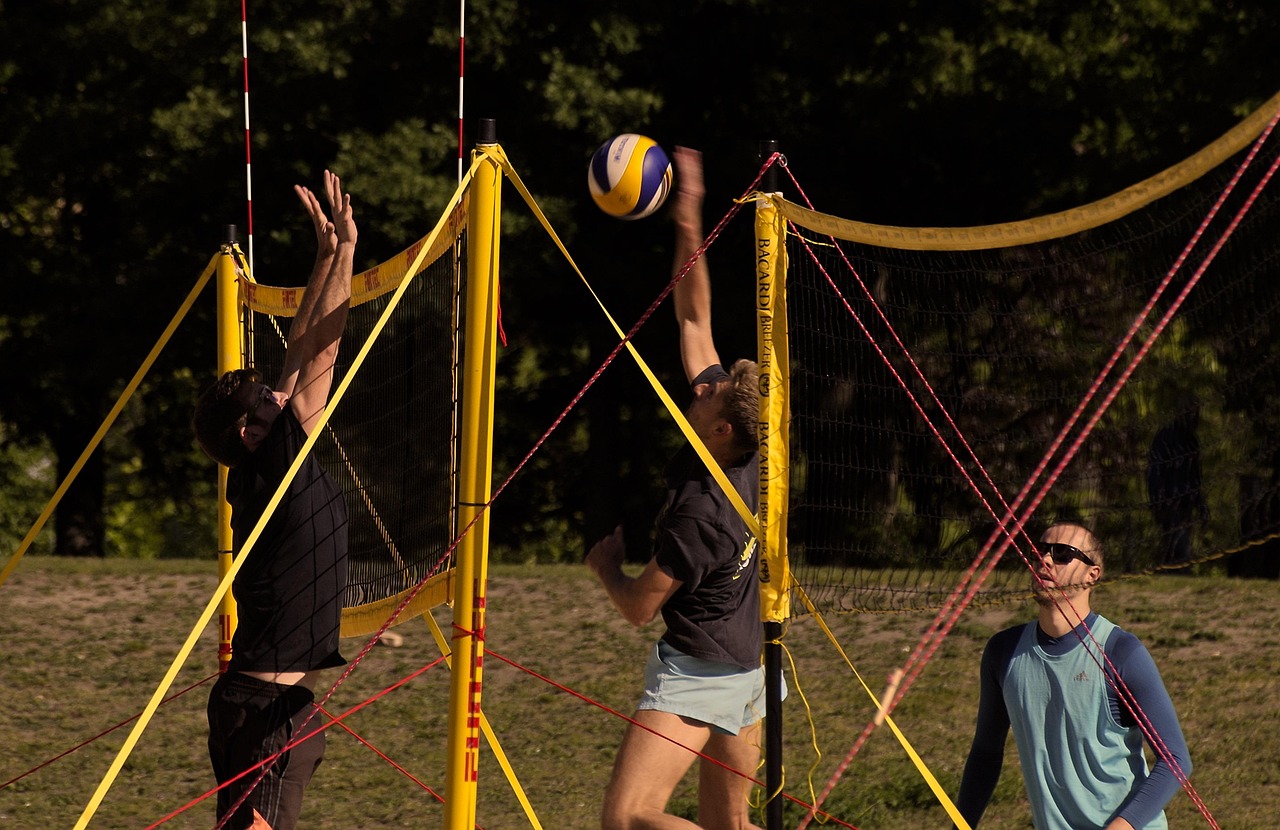

Aligning Team Sport Goals with Shared Values
In team sports, aligning goals with shared values is crucial for achieving success and fostering a positive environment. Shared values serve as the foundation for cohesive teamwork and can motivate individuals to perform at their best. When athletes and coaches work together towards common objectives, it enhances the group’s ability to navigate challenges. Therefore, understanding personal values, as well as shared values among team members, plays a vital role in this alignment process. Furthermore, incorporating these values into the goal-setting framework can significantly increase engagement and commitment. By articulating clear expectations that reflect both individual and collective values, teams can craft a compelling vision that inspires everyone involved. Sports psychologists often emphasize the significance of this alignment. They encourage teams to create an environment where open dialogue and mutual respect flourish. When everyone feels valued and understood, the likelihood of achieving shared goals increases exponentially. Ultimately, cohesive teams that prioritize aligning goals with shared values often achieve both personal and collective success, establishing a legacy that can inspire future generations in their journey within sports.
Beyond mere performance, the alignment of goals with values cultivates resilience, which is vital in team sports. Athletes face multifaceted challenges, such as competition pressure and injuries. By establishing goals that resonate with their core values, athletes can draw strength from within during tough moments. This resilience often translates into better decision-making processes, particularly under pressure. It also encourages athletes to support one another, fostering an atmosphere of camaraderie. Players who share values, such as integrity, teamwork, and perseverance, are more likely to rally together during difficult times. In these situations, having a collective vision becomes essential for maintaining morale. Teams that consistently refer back to their shared values find they are better equipped to face setbacks. Establishing strong interpersonal connections among team members reinforces their commitment to each other and their shared objectives. Coaches can facilitate this by celebrating instances where athletes demonstrate adherence to these shared values. Recognizing these moments not only reinforces the importance of aligning goals with values but also signals to athletes that their commitment really matters. This ensures that individuals are working together harmoniously towards common aspirations.
Creating Consensus on Goals
To effectively align goals with shared values, teams must first create consensus on what those values are. This process often involves discussions, workshops, or team-building exercises that help to identify and clarify values that resonate deeply with all members. Engaging team members in choosing these values fosters a sense of ownership and accountability. When individuals feel that their own beliefs are reflected in the team’s objectives, it creates a stronger bond and deeper commitment to those goals. Additionally, establishing ground rules around how the team embodies its values can serve as a guiding compass for individuals. Regular check-ins to assess alignment can also be beneficial. Periodic reflections enable teams to revisit their shared goals and values, ensuring they remain relevant and embraced by everyone. Often, athletes can articulate what they believe the team’s shared goals and values to be. Using this feedback can help coaches reframe or adjust goals to maintain alignment with the team’s ethos. It’s an ongoing process of reflection and engagement that ensures everyone remains focused and inspired, fostering a culture of adaptability and strength in pursuit of goals.
Moreover, incorporating individual reflections into group discussions can enhance the alignment process. Athletes should be encouraged to express how their personal values align with the team’s purpose. This openness not only enriches the dialogue but can also reveal insights about individual motivations and aspirations. As a result, it creates opportunities to further personalize goals, making them stronger and more engaging for each athlete. Coaches play an important role in facilitating this dialogue, providing frameworks that support open communication and trust. Effective coaching ensures that everyone’s voice is heard, which can help clarify differences and commonalities. By affirmatively addressing these aspects, teams can create a more inclusive and cohesive environment. Furthermore, it can help identify latent conflicts or misunderstandings about the team’s direction and aspirations, allowing them to be resolved before they escalate. As shared values form the basis upon which team goals are built, the unity of purpose keeps members motivated through the highs and lows of competition. This collaborative mindset ultimately translates to improved performance on the field, thereby increasing the chance for victory and success in the sporting arena.
Big Picture Goal Setting
In the broader scope of sports participation, understanding how individual aspirations fit into the larger vision is essential. Athletes often have personal goals that may vary significantly from team objectives, creating potential conflicts. Addressing these discrepancies openly allows for a comprehensive understanding of how individual efforts contribute to collective success. Goals should not be set in isolation but rather in context, allowing each athlete to see how their personal achievements support the larger mission. By tying individual goals back to shared values, a sense of unity emerges, reinforcing the spirit of teamwork. Such strategies require that everyone understands what the team ultimately stands for and aims to achieve. Among sports teams, there is often a drive towards excellence that extends beyond just winning; it involves personal growth and the nurturing of valued interpersonal relationships. Individual athletes are encouraged to formulate their own goals while being mindful of how they complement the team ethos. This synergy ensures that expectations are aligned at all levels, optimizing their potential for success both individually and as a unit, cultivating long-lasting relationships founded on respect and commitment.
Additionally, effective communication is crucial in maintaining this alignment. Regular team meetings should be scheduled, where members can share updates on individual progress and seek feedback on their goals. Creating an agenda centered around shared values can facilitate meaningful conversations about how personal ambitions intersect with team objectives. By fostering a culture of inquiry and openness, teams can explore how to navigate differences in goals creatively. Furthermore, establishing a format to celebrate both individual and team achievements reinforces this alignment. Celebrations can be a powerful reminder of the shared journey towards goals that respect individual values. Coaches should also cultivate an environment where discussing setbacks is viewed as an opportunity for growth rather than criticism. This perspective shifts the narrative from failure to learning, emphasizing the value of resilience. Harnessing such an environment can lead not only to improved relationships among teammates but also improved performance. As communication strengthens, so does the clarity around goals, leading to better overall outcomes for athletes. The combined effect of clarity and collective effort is instrumental in achieving shared aspirations.
Maintaining Alignment Over Time
Maintaining alignment over time requires continuous effort and adaptive strategies. Sports teams blossom in dynamic settings, where changing circumstances can influence team dynamics and individual aspirations. Regularly revisiting the team’s shared values becomes essential as athletes grow and evolve within their sport, which can lead to shifts in priorities. Scheduling semi-annual or annual vision casts can help teams reevaluate their goals and values, ensuring they reflect expectations for everyone involved. This practice acts as a touchstone for collecting feedback and facilitating discussions about progress and direction. Ensuring that team goals remain relevant creates a space for athletes to remain engaged and committed. Additionally, celebrating milestones along the way helps to reinforce this alignment by serving as reminders of progress. By acknowledging individual and team achievements, players build confidence, fostering a stronger bond with one another and with their shared mission. Such celebrations can vary from formal ceremonies to spontaneous recognitions during practices. By committing to an evolving discussion around values and goals, teams cultivate a culture of continuous improvement and shared ambition that fuels success. Such enriching environments are paramount in guiding teams toward sustained performance excellence.
Finally, the integration of shared values into goal setting should not only be a one-time exercise. Continuous reinforcement through various means, such as visual reminders or discussions in training sessions, can help to engrain these concepts deeper within the team’s culture. Coaches can create visual aids that emphasize both shared values and team goals, which can serve as daily reminders of inspiring aspirations. Actively referring back to these values during team huddles, meetings, and training sessions reinforces accountability among members. This practice demonstrates that achieving aligned goals is an ongoing endeavor that requires vigilance and dedication. Carrying reminders of their collective journey reinforces teamwork, enhances camaraderie, and supports individuals in performing at their best. Whether through integrating values into daily motivations or highlighting exemplary behaviors, commitment must remain high among athletes. This kind of culture promotes resilience, teamwork, and individual growth. The journey toward achieving team goals is often as valuable as the end results. Reflecting on shared values throughout illustrates what truly binds a team together in pursuit of common aspirations.