
Flexibility and Balance Exercises to Reduce Fall Risk in Seniors
Maintaining flexibility and balance is vital for seniors to prevent falls. As we age, the body experiences changes that can impact physical capabilities, making it essential to engage in targeted exercises regularly. By participating in flexibility and balance exercises, older adults can develop better coordination, enhance their joint range of motion, and fortify muscle strength. These improvements significantly reduce the incidence of falls, which can lead to serious injuries. Additionally, focusing on balance helps seniors navigate their surroundings more confidently. Simple activities like tai chi, yoga, and specific stretching exercises can be easily incorporated into daily routines. It’s important to structure these activities to suit each individual’s level of ability, allowing for gradual advancement. Engaging in community classes can further enhance motivation and provide social interaction as well. This article will explore various exercises aimed at improving flexibility and balance among seniors, emphasizing key routines and their benefits for overall health and safety. Consistent participation will ultimately empower seniors, creating a more independent and active lifestyle while minimizing fall risks. Let’s begin by examining some effective exercises to introduce into your routine.
Benefits of Flexibility Exercises
Flexibility exercises offer numerous benefits for seniors, helping to maintain functional ability and overall health. First, improved flexibility enhances the range of motion in joints, helping seniors perform daily activities. Activities such as bending, reaching, and twisting become easier with increased flexibility. Secondly, flexibility exercises help to alleviate muscle tension, preventing injuries from strain or overexertion. This is particularly important for older adults, as muscle stiffness can pose significant risks during physical activities. By integrating stretching or pliability exercises into a routine, seniors can minimize discomfort associated with joint stiffness or muscle tightness. Third, dedicated flexibility training can improve posture, which is crucial for balance and coordination. Good posture helps to center body weight and improves stability while walking or standing. Lastly, a well-rounded flexibility regimen enhances the cognitive function of older adults, as physical activity is linked to better mental health and reduced risk of cognitive decline. Encouraging seniors to make stretching part of their routine not only supports their physical well-being but also fosters mental health, improving their overall quality of life. It’s essential to approach these exercises with care and patience for optimal results.
Incorporating balance exercises into a regular fitness regimen is equally crucial for seniors. These exercises help to stabilize the joints, enhance body awareness, and build strength in the core and lower body. Engaging in daily balancing activities leads to improved stability and reduces the likelihood of falls. Popular exercises such as single-leg stands, heel-to-toe walking, or balance beam walking are effective and can be adjusted according to individual abilities. Utilizing supportive structures like a chair or wall can ensure safety while performing these exercises. For seniors with limited mobility, seated balance exercises offer a fantastic alternative. Another excellent way to improve balance is by incorporating agility exercises that challenge stability. Senior-friendly agility drills include side shuffles and step-ups, which can be done using low steps or platforms. These exercises enhance coordination, improve cognitive processing speed related to movement, and help seniors react better in unexpected situations. Consistency is key to fostering improvement, so setting achievable goals will encourage persistence. Seniors should consider combining balance practices with flexibility training for a comprehensive approach to fitness. Addressing these components holistically enhances health and lifestyle.
Effective Flexibility Exercises for Seniors
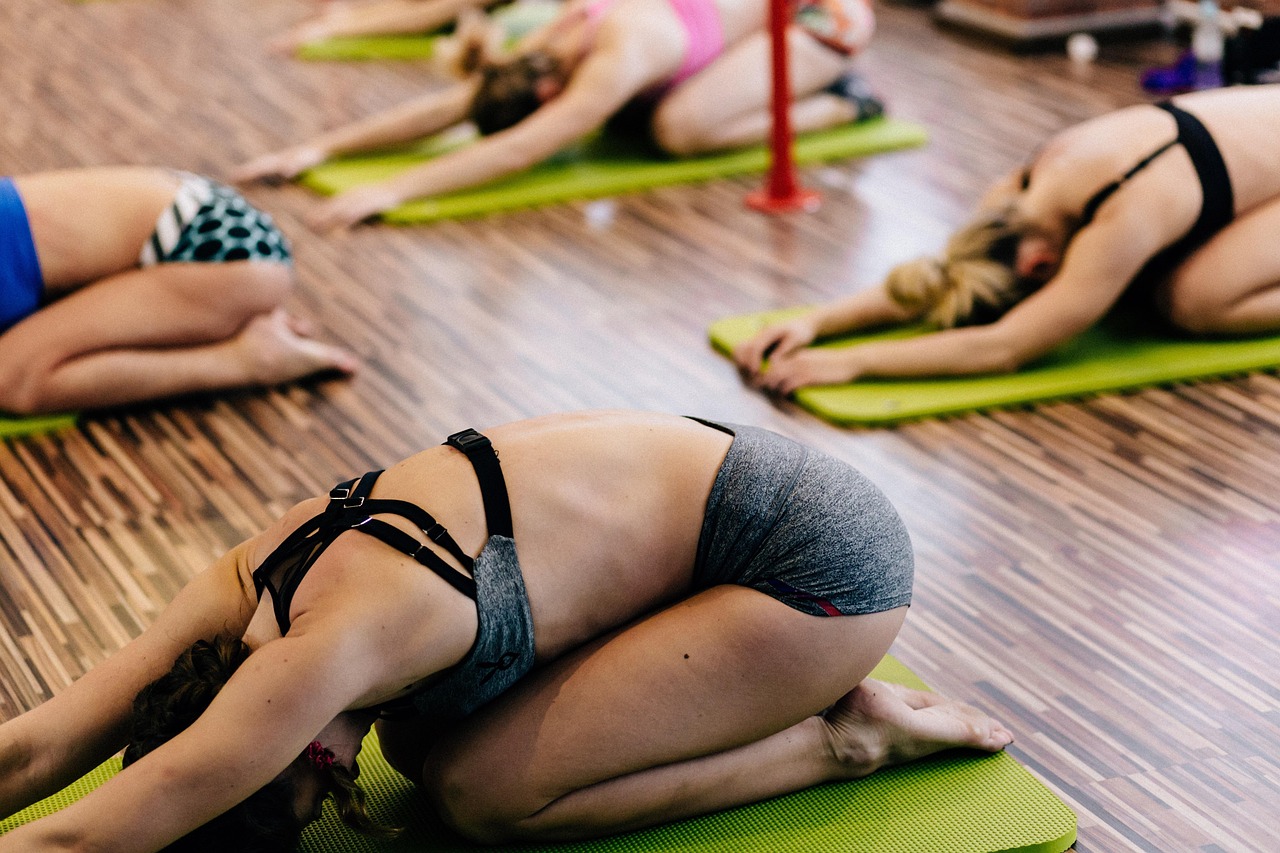
Several effective flexibility exercises can significantly benefit seniors by improving their range of motion and overall mobility. One of the simplest stretches is the seated forward bend, where seniors sit with legs extended and reach for their toes. This exercise gently stretches the hamstrings and lower back. Another effective stretch is the standing quadriceps stretch, where seniors can hold onto a wall or chair while pulling one foot towards their glutes, effectively stretching the front of the thigh. For the upper body, arm circles help maintain shoulder flexibility and can be done standing or seated. The standing side stretch targets the lateral muscles and helps improve side flexibility. Practicing these stretches for 10 to 30 seconds each, a few times a week, can yield outstanding results. Furthermore, yoga poses such as the cat-cow stretch and child’s pose can enhance flexibility and relaxation simultaneously. While performing these exercises, seniors should be mindful of their body’s limits, ensuring they achieve a gentle stretch without discomfort. Adopting a consistent practice allows seniors to cultivate flexibility, resulting in improved balance, posture, and a greater sense of confidence in daily activities.
Balance exercises can be simple but effective. They are essential for enhancing stability and reducing fall risks among seniors. One popular exercise is the single-leg stand, where seniors hold their balance on one leg for a set period. This can significantly build strength in the ankle and promote core stability. Incorporating movements that shift body weight, such as chair stands or mini squats, strengthens the lower body, reinforcing balance capabilities. Integrating balance beams, if available, provides a safe yet challenging environment to practice balance. Tai chi is also an excellent low-impact option for seniors. Its slow, controlled movements improve coordination and focus while enhancing balance through practice. Incorporating family or friends into these sessions can improve motivation and enjoyment, creating a supportive workout environment. It’s crucial to ensure that seniors perform these exercises in a safe space free of obstacles, with supportive equipment within reach. Maintaining regular practice of these balance techniques will enhance stability, strength, and overall confidence when navigating different environments. Building these skills will empower seniors to stay active, engaged, and independent.
Creating a Routine for Flexibility and Balance
Establishing a regular routine that incorporates both flexibility and balance exercises is essential for seniors to reap the benefits mentioned. The foundation of an effective program is to assess current fitness levels and individual capabilities. By understanding your starting point, you can develop personalized goals tailored for improvement. It’s recommended to mix balance and flexibility exercises throughout the week. For example, dedicating three days a week to flexibility training while performing balance exercises on alternate days will ensure variety and engagement. Adult fitness classes or programs specifically geared towards seniors can offer guided instruction and promote socialization. Additionally, write down goals for motivation and track progress to stay committed. Starting sessions with a warm-up of gentle movements, followed by targeted flexibility exercises and balance routines, ensures safety and efficiency. Ending with cooldown stretches solidifies gains achieved during the workout. Incorporating short sessions, such as 20-30 minutes, will be manageable and beneficial. Given the focus on encouraging longevity and independence, a tailored approach to physical activity will cultivate balance and flexibility within seniors’ lifestyles, ultimately reducing fall risks and enhancing quality of life.
In conclusion, making balance and flexibility exercises a priority in seniors’ lives is imperative to reducing fall risks and enhancing overall health. As highlighted throughout this article, integrating effective flexibility exercises fosters improved range of motion, while balance exercises reinforce stability and coordination. Creating a balanced routine that incorporates both elements yields greater benefits. Community engagement and support provide a social avenue that can enhance adherence to these activities. Encourage seniors to begin with simple exercises, gradually increasing their intensity as comfort grows. Developing a consistent practice will empower seniors, ensuring they remain active, engaged, and confident in their ability to navigate their environments. Emphasizing the significance of safety while practicing these exercises is paramount. The choice to incorporate wellness-focused fitness can lead to an enriched lifestyle, unhindered by fear or limitations. Tailoring a plan that respects individual capabilities will yield the best results. Whether through classes or home routines, the payoff is a healthier, happier, and more independent lifestyle. Therefore, embrace these exercises to foster longevity and well-being. Leading a life with reduced fall risks enhances not only mobility but also overall mental enrichment, providing fulfillment during the golden years.
A comprehensive lifestyle approach will enhance the quality of life for seniors.