
Top Drills to Improve Your Float Serve Accuracy
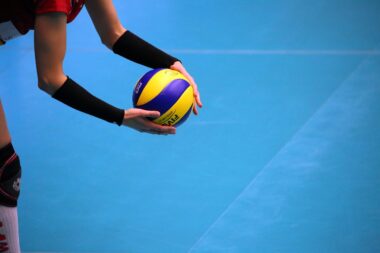
Improving your float serve accuracy is crucial for volleyball players aiming to dominate the court. One effective drill involves practicing targets on the opposite side of the net. Place cones or markers to represent zones where you want the serve to land. Initially, focus on the serving motion without worrying about the target, aiming to develop muscle memory. As your confidence grows, gradually incorporate aiming at these targets, fostering precision. Start with stationary serves, allowing you to concentrate on your grip, stance, and follow-through. Gradually increase the difficulty by adding movement or different ball heights for added challenge. Additionally, consider incorporating peer feedback during this training. Have teammates stand behind the target areas to provide real-time tips on your technique. They can also offer additional motivation, pushing you to wreck your limits. Consistency is key in mastering the float serve. Repeatedly practicing will help strengthen your serving skills and boost overall performance during matches. Tracking your accuracy statistics, like successfully hit targets versus total attempts, can fuel your improvement as you set goals for future training sessions.
Another excellent drill for enhancing float serve accuracy is the “Target Practice” drill. Gather a volleyball and some visual markers, like small hoops or hula hoops, and spread them across the opposite court side. Your objective is simple: hit as many targets as possible during each session. Start with the closer targets, gaining confidence in your serves, and gradually move to farther ones, which can significantly develop your precision over time. For each successful hit on a target, give yourself positive reinforcement. This keeps motivation high. Vary the holds on your serving hand to see which grip allows for better accuracy and control. It’s also beneficial to engage in a competition among teammates, creating an engaging environment. You might even consider recording your sessions; reviewing footage can lead to valuable insights regarding your form and technique that you might overlook. Furthermore, challenge yourself by increasing the distance and difficulty progressively as your skills enhance. The spirit of competition can help everyone involved focus better and strive for improvement. Such friendly challenges can foster team spirit, which is essential during practice for overall team coordination.
Incorporating Footwork Drills
Footwork plays a substantial role in executing an accurate float serve. To focus on your footwork, the “Quick Feet” activity can be beneficial. Set up an agility ladder or use tape to create lines on the court. Practice quick foot movements through the ladder or over the tape, emphasizing speed and precision. Improving footwork enhances your stability and balance, ultimately leading to more accurate serves. You can carry this exercise further by integrating your float serve. Begin by performing the footwork drill, then transition to your serving position each time you reach the end of the agility drill. This adaptation ensures you’re trained to serve accurately despite the quick movements, replicating match scenarios more accurately. As you become more proficient, you can increase the pace of your footwork exercises, encouraging coordination along with speed. Additionally, alternative methods such as jumping rope or shuttle runs can help boost foot speed and agility. Through these intricate drills, you can effectively develop the necessary skills required for precision serving, making your float serve a formidable weapon in competitive matches, thereby elevating overall performance.
Another vital drill focuses on developing your timing and rhythm which positively influences your float serve accuracy. The “Rhythm Serving” drill is an excellent way to concentrate on these components. Employ a metronome or even count out loud to establish a regular rhythm as you serve the ball. Consistent timing can fundamentally affect how you make contact with the ball, helping ensure a stable serve trajectory and improving your accuracy over time. Start at a slower pace, allowing you to really grasp the timing before gradually increasing speed as you become more comfortable. Execute consistent practice serves at different tempos, observing how each rhythm change impacts your float serve’s effectiveness. Purposefully implementing variable counts can help simulate match conditions and prepare you for unexpected rhythm changes during competitive games. Additionally, recording your practice sessions while focusing on rhythm changes provides an opportunity to analyze your progress further. By concentrating on timing and developing personal benchmarks, this drill aims to enhance the overall effectiveness of your float serve, ultimately contributing to your proficiency on the court during crucial gameplay situations.
Feedback and Adjustment
Feedback is essential in refining your float serve skills. Enlisting a coach or experienced teammate can help identify strengths and areas requiring improvement during practice sessions. They can observe your technique, providing insights on grip, toss height, and follow-through—all critical elements influencing accuracy. Implementing their feedback can help avoid repetitive mistakes and enhance development speed. Furthermore, utilizing video analysis allows you to visually assess your own serving technique, offering insights that verbal feedback might miss. Look for videos featuring professionals executing a float serve smoothly, serving as a model for your training. By observing their mechanics, you can make informed adjustments to your own technique. Additionally, it’s crucial to keep an open mindset about receiving feedback. Adaptability creates opportunities for consistent improvement and long-term success. Remember that communication is also vital; if there is confusion about any particular feedback, clarifying with your coach or peer can ease the learning curve immensely. Regularly revisiting crucial notes and maintaining an open dialogue while training can ensure you’re on the right path to elevating your float serve to higher standards of precision and performance.
In conjunction with these drills, incorporating a variety of serving techniques outside the float serve can enhance performance. Understanding and practicing different serve types offers a comprehensive serving skill set to apply in matches. Incorporate drills that focus on jump serves, topspin serves, and even underhand serves, as they help develop the precision required across diverse situations. Each serve requires distinct techniques that can introduce essential body mechanics skills transferable to the float serve. Practicing jump serves, for example, helps accentuate timing and body positioning. Learn the key mechanics of different serves, ensuring a well-rounded skill set enhances overall serving gameplay. Regularly alternating between serve types during practice sessions keeps them dynamic and less monotonous, engaging both players and coaches alike. Consistent practice in varying conditions, such as different court surfaces or locations, can help simulate real-game scenarios, allowing you to adapt more efficiently to unforeseen conditions. This variety enhances your adaptability and prepares you for different opponents and settings while increasing familiarity with serving diverse styles required during matches, ensuring that you’re equipped to handle any surprise that may arise during competition.
Final Thoughts on Float Serve Training
Ultimately, enhancing your float serve accuracy lies in consistent practice and a willingness to learn. The variety of drills discussed aims to provide a holistic approach to serving accuracy development. Regularly incorporating these drills into your training routine will foster continuous improvement and confidence during matches. Keep challenging yourself by setting goals, such as improving hit percentages and targeting specific areas of the court during practice. Remember to continue asking for feedback from trusted teammates or coaches, ensuring you’re always aware of potential adjustments to improve your serving performance further. Engaging in friendly competitive exercises can significantly boost motivation and concentration, providing an extra layer of excitement to every training session. Most importantly, be patient with yourself as you develop these new skills; every volleyball player has experienced gradual improvements. Alongside diligent training and preparation, staying focused on your journey will cultivate long-term excellence in your float serve. Enjoy every opportunity to develop your skills and integrate fun into your practice sessions, as enthusiasm fuels success. Trust the process; with persistence, your accuracy and effectiveness in float serves will reach remarkable levels.