
Functional Training Success Stories of Marathon Runners
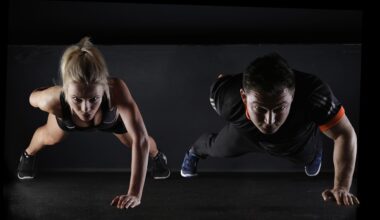
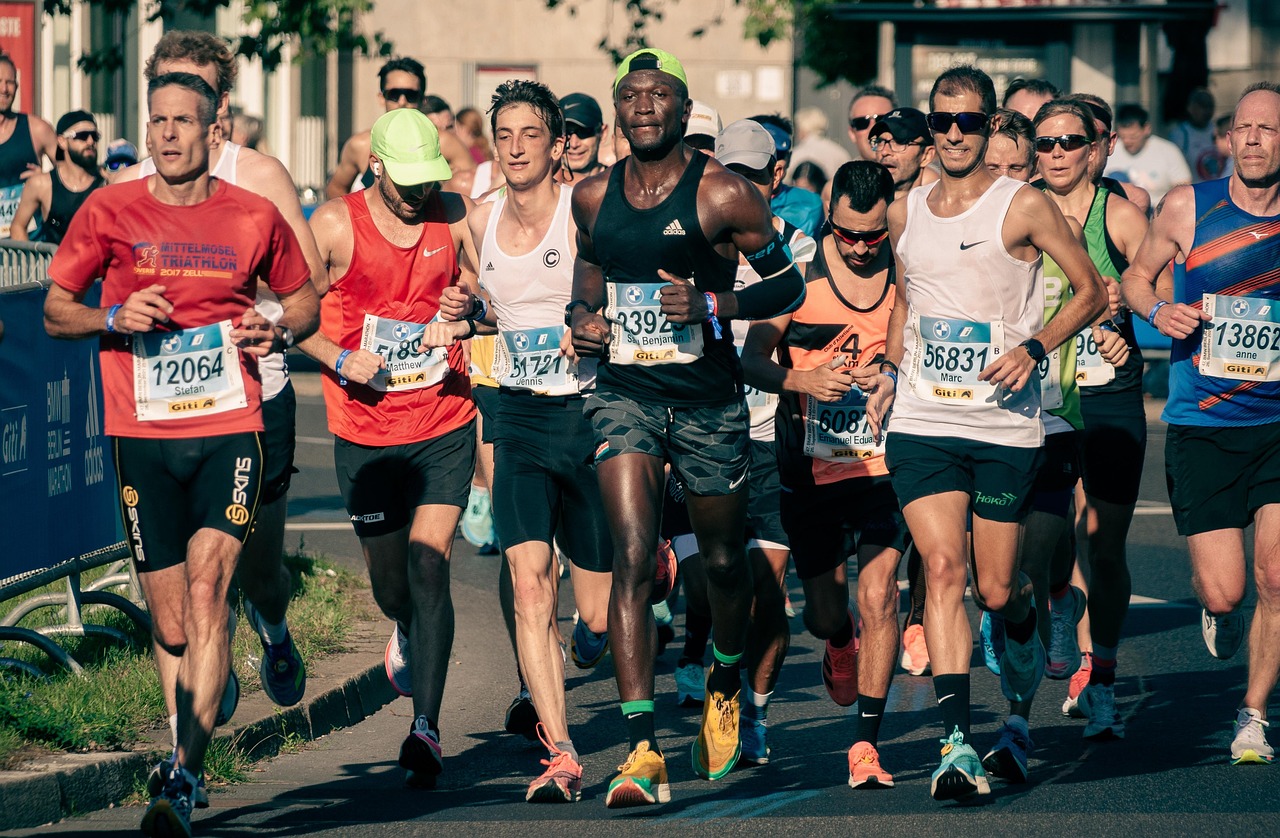
Functional training is becoming increasingly popular among runners, especially marathon athletes. These individuals have discovered the immense benefits of integrating functional movements into their training regimens. Specifically, functional training focuses on improving strength and mobility in everyday movements, which correspondingly translates into exceptional performance during running. This method emphasizes core stability, flexibility, and proper biomechanics, which are essential for enduring long-distance races. By emphasizing movements that replicate the mechanics of running, athletes can reduce the likelihood of injuries. Many marathon runners attribute their successful race finishes to their dedication to functional training exercises that help strengthen vital muscle groups. Moreover, this training type enhances endurance and promotes recovery, allowing athletes to perform at optimal levels. Success stories abound illustrating how personalized functional training programs have transformed runners’ abilities. These programs often include a combination of strength training, agility drills, and balance work. Furthermore, marathon runners who share their journeys highlight substantial improvements in race times and reduced injuries. Overall, functional training offers a pathway for runners looking to enhance their performance and longevity in the sport.
One remarkable story comes from a marathon runner, Sarah, who significantly improved her performance through functional training techniques. After suffering from recurring injuries, she decided to incorporate a functional training program aimed at strengthening her core and lower body. By focusing on critical movements such as squats, lunges, and planks, Sarah quickly noticed a difference. Not only did she recover faster, but her running times improved exceptionally. She was able to lower her marathon time by over fifteen minutes within one year, a testament to the effectiveness of functional training. Sarah also emphasizes the importance of a good coach in guiding her through the specifics of her functional training plan. Her story is just one of many demonstrating how tailored training can positively impact performance in long-distance running. This approach allows runners to build resilience against common overuse injuries while enhancing their strength and speed on race day. Training with a focus on body mechanics has helped Sarah achieve her long-time goal to qualify for the Boston Marathon. Besides physical benefits, she mentions the mental boost that functional training provides during training.
The Impact of Functional Training on Performance
Another success story involves Mark, a seasoned marathon runner who had always struggled with endurance. He decided to seek out a functional training approach to help overcome his challenges. Mark began prioritizing compound movements that targeted multiple joints and muscle groups to maintain a versatile body capable of withstanding long runs. This training significantly improved his stamina and overall adaptability during races. He credits functional training for allowing him to tackle steep hills and uneven terrains during marathons. By advancing his core strength, upper body stability, and overall flexibility, Mark experienced a noticeable boost in performance. The shift towards functional training not only enriched his workouts but led to a more enjoyable running experience. He emphasizes the diversity that functional training brings, as routines can vary from day to day, preventing boredom. Furthermore, adopting mobility drills has alleviated tightness and tension in his muscles that can come with long-distance running. Mark’s inspiring journey showcases the power of integrating functional training in preparing for significant races while achieving personal bests.
Functional training is also playing a crucial role in the journey of Jessica, who took on her first marathon this past year. Initially a novice, she was keen to increase her strength and stamina. Jessica’s trainer introduced her to functional workouts, and they quickly discovered the effectiveness of movements such as kettlebell swings and medicine ball exercises. She learned that these exercises not only built strength but also mimicked the specific demands of running. Over several months of consistent training, Jessica saw her endurance levels rise dramatically. She finished her marathon and achieved a time beyond her expectations. The camaraderie within her training group further motivated her to push through challenging workouts. Moreover, Jessica learned about the importance of recovery and the role it plays in athletic success. This led her to prioritize stretching and mobility work, ensuring she remained injury-free. Her success illuminates the transformative effect functional training can have on aspiring runners. Ultimately, Jessica now feels equipped and excited for her next marathon challenge, showcasing the life-changing nature of these training strategies.
Building a Community through Functional Training
For Tom, a former college athlete turned marathoner, functional training opened up new possibilities for lifelong fitness. After transitioning into marathon running, he felt unprepared for the unique physical demands of the sport. He discovered a local running club that emphasized functional training as part of their weekly routines. By participating in this community, Tom benefitted from shared experiences and motivation. The social aspect of functional training offers an uplifting environment where athletes encourage one another to excel. Tom highlights how diverse workouts created an engaging and challenging atmosphere that kept them all committed. He saw improvements in balance and proprioception through functional exercises like single-leg deadlifts. This helped him during his races, particularly when navigating winding paths. Even more, Tom appreciates the support system developed within his group, where they openly share tips about nutrition, recovery, and injury prevention. The collaborative nature of training led to lasting friendships among members who push each other toward new personal records. Tom’s story illustrates how functional training can not only enhance performance but foster community amongst athletes.
Emily’s journey serves as another inspiring example of the power of functional training, particularly for marathon runners. After years of competing, she found herself at a plateau in performance due to persistent injuries. Emily decided to embrace functional training as a systematic approach to break free from her limitations. By focusing on mobility, she addressed muscle imbalances that had emerged over time. Incorporating exercises targeting her hip flexors and glutes helped alleviate pain while improving her overall running form. Emily’s structured approach involved working closely with a trainer to develop customized functional workouts that met her needs. Within weeks, she noticed improved flexibility and strength, leading to more enjoyable and productive runs. Her commitment paid off when she successfully trained for and completed her next marathon without injury. This accomplishment not only reignited her passion for running but also educated her about the importance of cross-training. Emily has become a speaker in her local running community, passionately sharing her story and encouraging fellow runners to explore functional training.
Conclusion: Embracing Change for Future Races
In conclusion, the success stories of marathon runners integrating functional training reveal its effectiveness in transforming performance. Personal accounts from athletes like Sarah, Mark, and Jessica highlight immense improvements in not just speed, but resilience and injury prevention. Functional training has emerged as a critical aspect of contemporary marathon preparation, allowing runners to adapt to both changing terrains and distances. By emphasizing strength and stability, runners can address the physical challenges that marathons present. Furthermore, it fosters a supportive community where athletes share their journeys and insights. These inspiring stories encourage others to consider how functional training could enhance their performance. Adopting this approach signifies a commitment to a healthier, more robust running lifestyle. Encouraging others to engage with functional training highlights the importance of adapting to meet personal goals. Through shared experiences, runners can discover the transformative nature of this training style. By integrating new strategies, these athletes pave the way for future successes. Each story serves as a beacon of inspiration and motivation for new and seasoned runners, embarking on their exciting marathon adventures ahead.
Whether you’re just starting out or looking to push your limits, functional training can be that game-changer you need in your marathon training. Embrace these techniques and watch your running evolve.