
Is Guided Meditation Better Than Meditating Alone?
Meditation, a practice embraced by many, raises numerous questions about its various forms. One key inquiry is whether guided meditation is superior to meditating alone. Guided meditation typically involves an instructor leading an individual through the meditation process, offering direction and support. This process may appeal to beginners since guided meditation can provide clarity and focus, making it easier to enter a meditative state. With a voice to follow, participants may feel less overwhelmed. Additionally, such structured sessions can introduce different techniques and principles, enriching the meditator’s experience. In contrast, meditating alone allows for personal exploration and the opportunity to connect deeply with one’s own thoughts and feelings. Alone, meditators can tailor their practice to fit their needs. However, both methods have pros and cons, and the effectiveness often depends on individual preferences and goals. Many practitioners find value in mixing both approaches, utilizing guided sessions occasionally while developing their independent practice. Combining the best of both worlds may lead to a more fulfilling meditation experience overall, helping individuals improve their mental well-being and mindfulness skills.
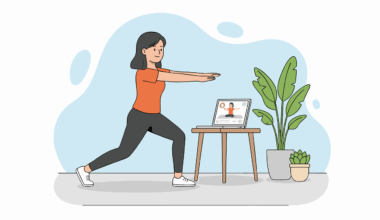
One of the benefits of guided meditation is accessibility. Many resources are available online, including apps, videos, and audio recordings. These platforms make it easier for new meditators to access guided sessions without needing prior experience or knowledge. Conversely, novice meditators may feel intimidated when meditating alone, lacking a clear structure or direction. A guided meditation can help lay the groundwork for an independent practice, giving individuals the tools they need to explore their minds more freely. Additionally, the soothing voice of a guide often serves to calm stress and anxiety, enhancing relaxation. Some meditation apps, such as Headspace or Calm, also offer specialized sessions for various purposes, from reducing stress to improving sleep. These tailored experiences can support users in achieving specific goals. However, while guided sessions are helpful, not all individuals resonate with a guide’s voice or style. Therefore, it is important to experiment with different guided meditations to find a suitable fit, ensuring a more comfortable experience for all meditators. Individuals should regard their unique preferences when determining their meditation approach, promoting a healthy and enjoyable practice.
The Role of Individual Preference
Individual preference plays a significant role in determining whether someone gravitates towards guided meditation or prefers the solitude of independent practice. Some individuals thrive on external direction and respond positively to structured environments. For these individuals, guided meditation may provide the necessary framework to foster relaxation and mindfulness. Others, however, may feel liberated by the freedom that comes with meditating alone. This freedom encourages personal exploration and growth, leading to deeper self-discovery. As with most things, personal experiences shape meditation choices. Acknowledging one’s own style can optimize meditation practices while maximizing overall benefits. Meditation, in essence, is a deeply personal journey, so tailoring the experience to fit individual needs is crucial. Achieving a balance between guided and solo meditation can be beneficial, allowing practitioners to enjoy the advantages of both practices. As people progress in their meditation journey, they may shift preferences or incorporate elements of both styles to enhance their practices. Embracing adaptability fosters growth and self-discovery, allowing practitioners to navigate the changing landscape of their meditation experiences effectively.
Some studies suggest that guided meditation is more effective for beginners and those struggling with focus. Directed sessions help consolidate attention, making it easier to achieve desired states. As practitioners develop concentration skills, they may transition to meditating alone over time. This leaves room for deeper exploration and personal insights. Slightly more experienced individuals can experiment with various techniques learned during guided sessions. Those who have cultivated sustained focus may find solo meditation more rewarding. The autonomy allows for complete immersion in personal thought processes and emotional experiences. Guided sessions can sometimes introduce outdated or rigid practices, hindering individual creativity. Practitioners should assess their progress honestly and know when to shift from guided to independent meditation. This conscious choice empowers meditators, enabling them to focus on aspects that resonate with their experiences. Ultimately, finding the right balance stems from clear communication with oneself, allowing an organic evolution of the practice over time. Recognizing when to stick with guidance and when to take the plunge into solo practice fosters a dynamic relationship with meditation.
Understanding Mindfulness Techniques
The exploration of guided versus solo meditation leads to a discussion of varying mindfulness techniques incorporated into both practices. Guided meditations often include specific instructions on breathing techniques, visualization, and body scans. These techniques provide essential tools for new meditators to develop mindfulness skills effectively. Additionally, guided meditations may introduce diverse methods that extend beyond simple focusing on the breath, promoting a broader understanding of mindfulness. On the other hand, meditating alone cultivates the opportunity to discover unique techniques that resonate deeply with an individual’s personal journey. By delving into self-guided practices, meditators can tailor techniques to their specific needs, enhancing the overall experience. This freedom supports creativity and facilitates deeper insight. Furthermore, solo practice can lead to implementing various mindfulness strategies that emerge organically during meditation. Ultimately, both approaches foster growth as practitioners gain clarity on which techniques work best. Over time, meditators may blend or alternate methods—a symbiotic relationship between guided and solo practices rooted in personal discovery. Cultivating mindfulness techniques is a lifelong journey of understanding oneself and encouraging emotional and mental well-being.
The choice between guided meditation and meditating alone confronts distinct obstacles and challenges. Guided meditation may lead some practitioners to become overly reliant on external direction, potentially hindering their ability to cultivate independence and self-awareness. When practicing alone, individuals may struggle with distractions or find themselves questioning their ability to maintain focus. Emotions can rise, and thoughts may wander, leading to frustrations that discourage ongoing practice. Learning to navigate distractions becomes an essential skill for solo meditators. Two vital strategies include returning to the breath and notice your thoughts without attaching meaning. Acknowledging these hurdles as growth opportunities fosters resilience and further cultivates mindfulness, despite possible setbacks. It is essential for meditators, both guided and solo, to maintain patience and compassion throughout their journey. Recognizing that obstacles are part of the process encourages perseverance and long-term commitment to meditation practices. Through connection with oneself and the willingness to embrace challenges, practitioners can evolve and transcend difficulties. Therefore, overcoming barriers increases self-awareness, ultimately promoting balance in life while enhancing overall well-being.
Conclusion and Personal Journey
In conclusion, whether guided meditation or meditating alone is better largely depends on an individual’s unique preferences and meditation goals. Both approaches hold valuable lessons and insights that contribute to a comprehensive understanding of oneself. Guided sessions can offer structure and support, which may be essential for beginners or those experiencing challenges. On the other hand, meditating alone allows for personal creativity, deep reflection, and self-discovery. Practitioners should explore both methods, considering how their needs evolve over time. Cultivating adaptability is vital, allowing for a harmonious relationship between guided and solo practices. The ultimate goal of meditation remains the enhancement of mental well-being and mindfulness. Enthusiastic practitioners often discover that combining both approaches yields optimal results, granting them the benefit of guided instructions while remaining true to personal journeys. Regardless of the path taken, meditation serves as a valuable tool that can foster insights, emotional growth, and mental clarity. Practitioners should honor their inner voice and let intuition guide their practice. This delicate dance between guided and independent meditation will continue to shape the dynamic landscape of one’s meditation experience.
In addition to the discussion around guided meditation and solo practices, the benefits of regularly incorporating meditation into your life cannot be overstated. Through consistent practice, individuals can experience lasting positive changes in their mental and emotional well-being. Setting aside time each day for personal reflection cultivates a more profound sense of inner peace and balance. Introducing a daily meditation practice, whether guided or independent, fosters the development of mindfulness skills that extend beyond the meditation cushion. As practitioners learn to navigate their thoughts and feelings, they gain greater control over their emotional responses in daily life. This control leads to enhanced resilience when faced with stressors and life’s challenges. Research has shown that regular meditation can improve focus and clarity, significantly impacting productivity levels in personal and professional spheres. Engaging in a meditation practice can serve as a powerful supplement to therapeutic practices, enriching one’s journey towards self-actualization. Ultimately, mindfulness practices, including meditation, empower individuals to embrace the unique tapestry of their experiences, fostering a deeper understanding of life’s mysteries and connecting to a more profound sense of purpose.