
Building Team Spirit Through Youth Cycling Activities
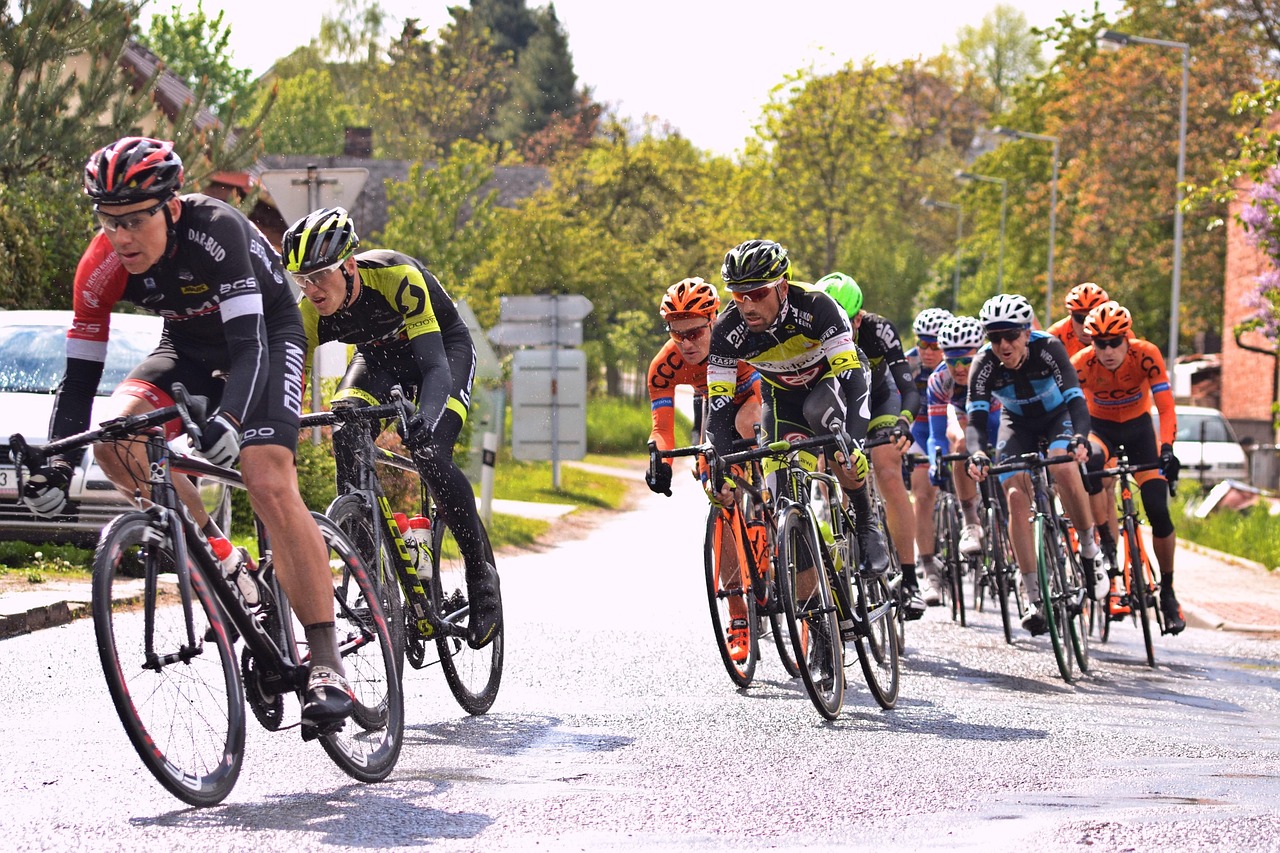
Youth cycling activities are more than just recreational pastimes; they foster teamwork, discipline, and resilience among young individuals. Engaging in biking as a group helps youths develop vital social skills, allowing them to learn how to communicate and collaborate effectively. Through team-oriented cycling events, youths not only gain physical fitness but also experience a sense of belonging. This connection to a team cultivates a supportive community where members encourage one another to achieve shared goals. Organizing cycling rallies, races, and group training sessions offers the chance for members to bond while tackling challenges together. Moreover, these activities foster a positive mindset, as young cyclists celebrate each other’s accomplishments, reinforcing the idea that everyone plays a crucial role. By participating in these events, participants notably improve their self-esteem and enjoy a support system that lasts well beyond the cycling experience. Youth cycling activities can also include optional workshops that teach maintenance skills and safe riding practices. Overall, this multifaceted approach benefits individuals, instilling values that can translate to academic and personal successes as well, making cycling instrumental in youth development.
Team building in youth cycling not only promotes physical prowess but also develops leadership skills. When youths are exposed to team dynamics, they naturally take turns guiding one another, which introduces them to responsibility and accountability. Leading a group ride, for instance, teaches them how to make decisions that consider the team’s safety and enjoyment. In cycling challenges, roles such as the lead rider or the navigator can rotate, enabling a deeper understanding of varied perspectives within the group. This experience allows participants to learn how to respect and appreciate each individual’s contribution, enhancing the collective team spirit. Regular practice creates trust among members, as they become familiar with each other’s strengths and weaknesses. In competitions, the critical understanding built over time can effectively enhance the team’s performance. Youths begin to realize that they are stronger together than apart, encouraging them to rely on one another for success. Additionally, the friendly competition promotes a healthy rivalry, motivating each individual to push their limits. Thus, youth cycling serves as a catalyst not just for fitness but for personal growth, leadership experience, and fostering lifelong friendships.
The Importance of Communication
Clear communication is essential in youth cycling activities, as it ensures safety and aids in effective teamwork. Participants must share their intentions and observations, such as when signaling for turns or warning about obstacles. Teaching young cyclists how to communicate properly on the road enhances their awareness of their environment. Implementing fun practice sessions that incorporate communication can solidify these skills. For instance, practicing synchronized riding while instructing the team to call out important information can be beneficial. Furthermore, these communication exercises can lead to increased understanding, as youths learn to express their feelings about rides together. It creates a comfortable environment where young cyclists feel free to discuss their challenges and achievements. To enhance engagement during rides, organizing game-like activities that require teamwork and communication can be an exciting way to reinforce these skills. This aspect mirrors real-life scenarios where communication is key in daily interactions. By fusing enjoyment with learning, youths will recall their experiences, reinforcing the importance of expressing themselves appropriately in any setting, strengthening their bonds, and maximizing team performance during competitions.
Another vital element of youth cycling is the importance of inclusivity. Ensuring that every participant feels welcome and valued within a cycling group enriches the overall experience for all involved. Programs that cater to varied skill levels allow every youth, regardless of their cycling ability, to join in on the fun. This encourages individuals to strive for improvement without feeling intimidated by advanced riders. A welcoming environment cultivates a culture of acceptance and promotes camaraderie, as youths support each other regardless of experience. Establishing mixed-ability group rides enables faster participants to mentor beginners, fostering interdependence. Moreover, creating events that celebrate diversity, like themed rides or cultural celebrations, can further encourage inclusivity. It’s essential to recognize that every cyclist brings unique perspectives and strengths to the team. By celebrating achievements, whether small or large, each member can thrive in their individual journey. Creating a safe space where everyone can express themselves freely promotes mental well-being and social connections. Ultimately, fostering inclusiveness will ensure that young cyclists build lasting relationships and enjoy cycling throughout their lives.
Benefits of Physical Fitness
Youth cycling also emphasizes the significance of physical fitness, which benefits both mental and physical health. Cycling promotes cardiovascular health, increases leg strength, and improves overall endurance. By encouraging regular cycling practices, youths develop healthy habits that contribute positively to their long-term well-being. In addition, participating in cycling activities provides an excellent outlet for stress relief. As adolescents navigate various pressures, especially in educational environments, cycling allows them to clear their minds while enjoying the outdoors. Being part of a cycling group further motivates youths to stay active, as accountability inspires consistency. Engaging in physical activities like cycling forms a foundation for a healthy lifestyle that extends beyond childhood. Moreover, regular exercise through cycling reduces the risk of obesity and related health issues. Studies show that youths who engage in regular physical activities are more likely to maintain a healthy weight and a balanced lifestyle into adulthood. Thus, incorporating cycling into daily routines is a powerful tool for youths to prioritize their physical health, build resilience, and boost self-confidence, demonstrating the profound impact of nurturing healthy habits at a young age.
In organizing events related to cycling, there are ample opportunities to educate participants about environmental awareness. Youth cycling activities can be designed to include eco-friendly components, such as group rides that emphasize the benefits of cycling as a sustainable alternative to cars. By exposing participants to these principles, youths develop a strong sense of environmental responsibility. Workshops could be conducted on bike maintenance and repair, highlighting practices that reduce waste and encourage sustainable living. Incorporating clean-up initiatives at local parks or bike trails creates a tangible connection between cycling and preserving the environment. By lending their time and efforts to these projects, youths learn the role they play in promoting sustainability within their communities. Additionally, sharing success stories about how cycling can reduce one’s carbon footprint inspires others to consider cycling as a primary transportation mode. These activities serve a dual purpose: promoting cycling while enhancing awareness of environmental conservation. Ultimately, instilling this knowledge in youth cyclists will result in mindful riders who recognize the impact of their actions on the world around them.
Conclusion
The overall experience gained through youth cycling activities is invaluable and multifaceted. It encompasses teamwork, communication, inclusivity, and environmental awareness while promoting physical fitness. By participating in cycling events, young individuals learn the importance of collaboration, leadership, and fostering a supportive community. Competitions provide an exciting platform for youths to challenge themselves and grow together as a cohesive unit. Furthermore, the life skills practiced during these activities prepare them for future challenges they may face in both personal and academic endeavors. Communities should prioritize the development of youth cycling programs to facilitate these enriching experiences. Supporting local cycling clubs and organizing events tailored for diverse participants can ensure that cycling remains accessible to all youths. Collective efforts can ignite a passion for cycling, resulting in a generation that values healthy living, teamwork, and environmental responsibility. Ultimately, these experiences will lay the groundwork for a future where cycling is celebrated as a means to build community and promote overall well-being. Investing in youth cycling initiatives today will yield significant benefits for individuals and society as a whole.
By encouraging youth cycling, we embrace a pathway to a brighter, healthier future for all.