
Adapting Functional Training for Pediatric Rehab Patients
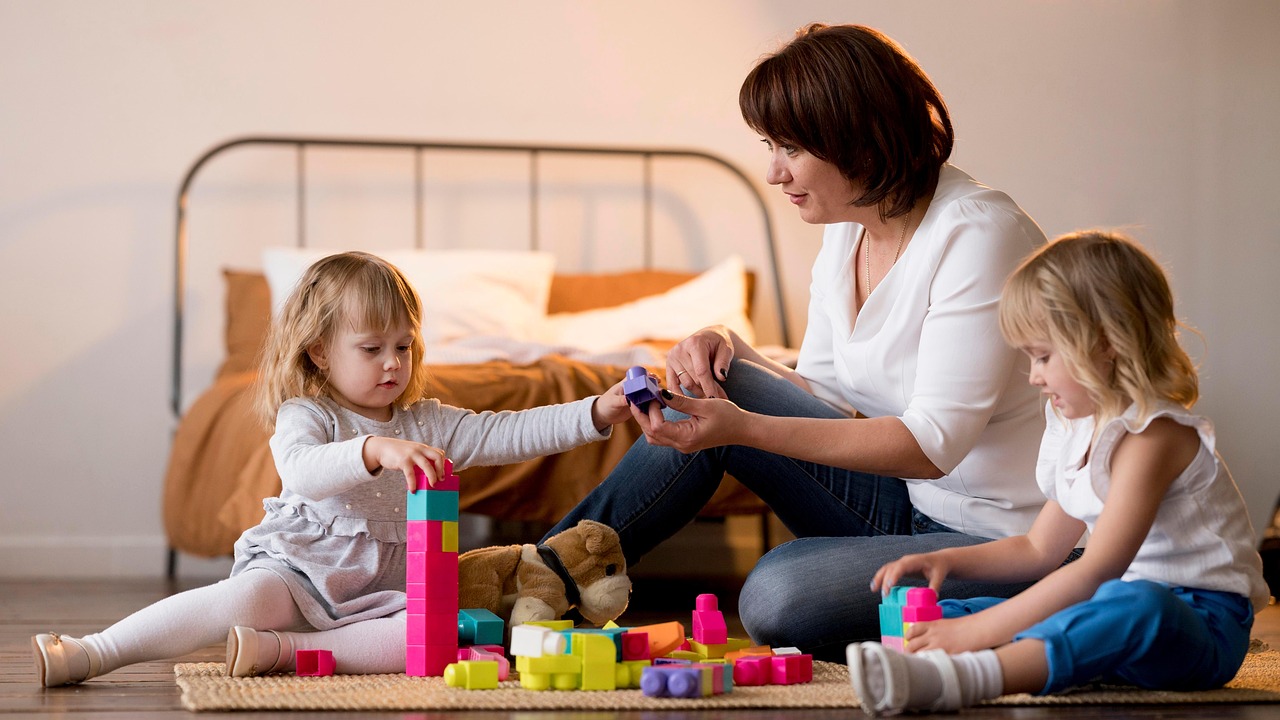
Functional training in pediatric rehabilitation focuses on engaging children in exercises that enhance their daily living skills. Unlike traditional methods, this approach encourages movement patterns that mimic real-life activities, thus providing a more enjoyable experience for young patients. By blending play with training, therapists can create an effective rehabilitation process that captures a child’s attention while promoting physical recovery. Developing age-appropriate exercises ensures that the rehabilitation process remains accessible and enjoyable, which is essential for motivation. Incorporating games and fun challenges can significantly improve the children’s willingness to participate fully in their treatment sessions. Tailoring interventions to the unique needs of each child is critical, as it fosters a supportive environment that builds trust and encourages perseverance in regaining mobility or strength. Involving caregivers and peers in the rehabilitation process can also enhance the therapeutic experience. Collaborating with parents helps reinforce the exercises outside of designated sessions while creating a well-rounded support system. By prioritizing engagement and enjoyment, functional training can effectively address the needs of pediatric rehab patients, leading to improved outcomes and greater rehabilitation success.
Pediatric rehab often integrates various modalities alongside functional training, focusing on holistic recovery. This multidimensional approach allows therapists to assess not just physical abilities but also cognitive and emotional needs. For instance, children may be encouraged to engage in problem-solving activities during physical training to improve cognitive function. Strength training exercises can be modified to suit the individual abilities of each child, ensuring they can perform them safely and effectively. Balancing strength development with flexibility and endurance activities is paramount for overall rehabilitation. Establishing a routine that includes diverse functional movements helps children improve their motor skills and reduces the risk of future injuries. Parents can participate by encouraging their children to practice functional exercises at home, turning therapy into a family activity. Creating challenges that involve daily tasks, such as picking up toys or climbing stairs, can reinforce skills while bringing a sense of accomplishment. Furthermore, celebrating small victories during training can motivate children to stay committed to their rehabilitation journey, giving them the confidence to overcome challenges. Leaving room for creativity in the training process facilitates better engagement and helps children view their recovery as an exciting challenge rather than a burden.
Incorporating sensory elements into functional training for pediatric rehab can significantly enhance the effectiveness of interventions. Children with physical impairments often require various sensory inputs to better engage with their environment and tasks, thereby improving motor learning. Using textured surfaces, colorful objects, or even sounds can create a stimulating training atmosphere that captures children’s interest. For example, conducting exercises on slides or pivoting on uneven ground introduces proprioceptive feedback, which aids in developing balance and coordination. These sensory elements can transform ordinary rehabilitation activities into playful challenges that feel less like traditional workouts and more like games. By creating a multisensory approach, therapists can foster a stimulating environment that caters to children’s unique learning styles and preferences. Additionally, gradually introducing challenges helps build confidence as children accomplish progressively more complex tasks. To increase motivation, therapists can incorporate reward systems, such as stickers or earning praise, which facilitate a positive reinforcement environment. As children observe their progress and accomplishments, they gain motivation to push themselves further in their rehab journey. Strategies that blend sensory experiences with functional training can lead to improved participation and better overall satisfaction for each child in rehabilitation settings.
The role of technology in enhancing functional training for pediatric rehab cannot be understated. Integrating tools such as virtual reality, motion capture, and gamified applications fosters an engaging rehabilitation environment. By utilizing these advanced methods, therapists can offer interactive experiences that captivate children’s attention and transition them away from ordinary training methods. Games designed to develop various motor skills can simultaneously challenge the child while remaining enjoyable and less intimidating. For example, virtual platforms may encourage children to perform essential movements while immersed in a fun and imaginative scenario. Furthermore, technology enables therapists to collect and analyze real-time data about patient progress, which can inform tailored adjustments to treatment plans. By tracking both rehabilitation progress and engagement levels, healthcare professionals can refine interventions to yield the best outcomes. Continual use of these technological tools can also promote competition and social interaction among peers, further motivating them toward collective progress. While the integration of technology in therapy poses challenges and requires adaptations to traditional methods, its impact on rehabilitation effectiveness is undeniable, leading to exciting new possibilities in pediatric rehab.
Creating a Supportive Environment
Establishing supportive environments within functional training for pediatric rehab is crucial for generating positive outcomes. Encouragement from family, therapists, and friends contributes to children’s mental well-being and assists them in overcoming challenges associated with their rehab goals. A nurturing approach that focuses on building relationships allows children to feel safe, respected, and valued as they progress in their journey. Peer support programs can also provide opportunities for children to share experiences and learn from each other, boosting their motivations and fostering camaraderie. Therapists must remain attuned to the children’s emotional needs, as anxiety or frustration can hinder their willingness to participate in sessions. Utilizing motivational interviewing techniques, therapists can guide conversations that empower children to express their feelings regarding their rehab experiences. When children feel heard, they become more engaged and are motivated to pursue their goals earnestly. Maintaining strong communication among parents and healthcare professionals ensures everyone is aligned on the child’s needs, which reinforces the child’s confidence in their rehabilitation plan. A supportive environment shows the importance of collaboration among caregivers, therapists, and communities in enhancing successful rehabilitation outcomes for children.
Therapists must employ a variety of assessments to determine how functional training can be tailored to children’s capabilities and limitations. Regular evaluations enable healthcare professionals to create individualized treatment plans that cater to each child’s unique needs and goals. These assessments should encompass physical capabilities, emotional and cognitive states, as well as social interactions. By considering the complete profile of the child, therapists can customize functional training exercises that resonate with them. For example, incorporating favorite activities or sports into the training will enhance the likelihood of engagement. Knowledge of a child’s personal interests can significantly improve motivation, as they view the rehab process with excitement instead of apprehension. Additionally, incorporating rewards and recognition into training helps reinforce participation, steering children toward positive behaviors. Encouraging children to set their own goals and milestones fosters self-efficacy and boosts their confidence during rehab. Consistent communication with children about their progress creates a sense of ownership over their recovery journey. As children become active participants in their rehabilitation process, they develop a more positive and proactive outlook towards overcoming challenges and achieving their personal goals within therapy.
Ultimately, ongoing education for therapists regarding the latest advancements in functional training methods for pediatric rehabilitation is fundamental for successful interventions. Attending workshops, conferences, and training programs allows professionals to stay current with evidence-based practices and methodologies. Engaging with peers in collaborative settings fosters knowledge exchange and skill development that can greatly benefit pediatric patients. Learning to integrate new technology and therapeutic approaches can invigorate existing strategies and broaden the scope of methods available for functional training. Furthermore, staying informed about new research can empower therapists to confidently adapt interventions in line with best practices for each patient. Clinical supervision and mentorship can enhance practical knowledge, bridging the gap between theory and real-world application. Fostering a culture of continual learning improves the quality of care therapists provide while increasing their job satisfaction and professional development. For children facing rehabilitation challenges, having informed and skilled therapists can make a significant difference in their journey towards recovery. Creating a therapeutic environment that emphasizes learning and adaptability ultimately breeds innovation, leading to long-term improvements in pediatric functional training and rehabilitation.
In closing, adapting functional training for pediatric rehab requires a comprehensive approach that prioritizes engagement, creativity, and collaboration. The effectiveness of interventions is amplified when therapists consider individual needs and preferences, utilizing the principles of functional training to promote recovery. By blending enjoyable activities, supportive environments, and innovative approaches, professionals can create an enriching experience for both the therapist and child alike. Continuous assessments and adaptive strategies play a vital role in maintaining motivation and progress, paving the way for successful outcomes. As healthcare professionals strengthen their knowledge and skills surrounding functional training, they will further enhance their ability to provide care that resonates with young patients. Encouragement from families, peers, and communities fosters a holistic process that incorporates diverse forms of support. As newer methodologies emerge, it is essential that therapists stay committed to learning and evolving their practices to assure the best outcomes are achieved. Ultimately, a child-centered approach to rehabilitation serves not only to rehabilitate but also to empower children to believe in their abilities and value throughout their recovery journey.