
How to Meditate Effectively in a Busy Lifestyle
Meditation is not just a practice reserved for those with ample time; it can be effectively incorporated into busy lifestyles seeking balance. Initially, understanding what meditation entails is crucial. Meditation involves focusing the mind to achieve a mentally clear and emotionally calm state. One should identify their primary motivations for meditating. Are you looking to relieve stress, improve focus, or enhance overall well-being? By establishing a clear intention, you’re more likely to stay committed to your practice while managing your busy schedule. Finding a specific time of day to meditate consistently can also enhance your experience. Morning meditation may prepare you for daily challenges, while evening meditation could serve as a tool for relaxation. Setting aside even just five to ten minutes daily significantly impacts your state of mind, creating a habit that fosters more peace amidst chaos. If you’re new to meditation, consider starting with guided sessions. Use apps or online resources, as these can help structure your practice, facilitating immediate immersion into meditation, thereby maximizing its effectiveness.
Creating a Suitable Space for Meditation
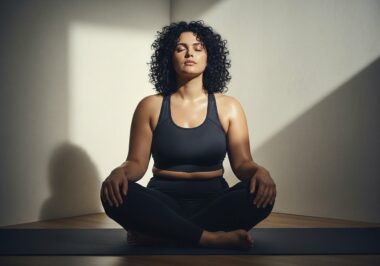
Creating a calming environment is essential for effective meditation. Identify a peaceful location in your home or office where distractions are minimal. Ensure this space is free from noise, clutter, and interruptions, as such elements can disrupt your focus. Decorate it with calming elements: soft pillows, soothing colors, and indoor plants can contribute positively to your experience. Additionally, consider incorporating soft lighting, which can enhance the overall atmosphere of the meditation space. Having visual aids, such as calming images or affirmations, can help maintain your mindfulness during sessions. When you’re ready to meditate, begin by taking a moment to appreciate this dedicated space. Sit comfortably, and let your mind settle. It’s crucial to feel relaxed yet alert; therefore, adjusting your seated position can be beneficial. Remember, this is your sanctuary dedicated to achieving stillness. With practice, your mind will start associating this space with tranquility. Adjust the space as needed until it feels perfect for you. Finding the right environment can make a significant difference in your meditation practice, particularly when time is limited.
Consistency is key in establishing a meditation practice. Even with a busy lifestyle, aim to meditate regularly to experience its benefits fully. Instead of lengthy sessions, incorporate short, focused practices throughout your day. For instance, practice mindful breathing during breaks, or try meditative walking while running errands. Utilize every opportunity, whether you’re commuting or waiting in line at the grocery store, to engage in brief mindfulness activities. You can also integrate meditation into your existing routines. For example, while brushing your teeth or showering, focus on your breath and sensory experiences. Over time, these small practices accumulate and significantly impact your overall mindfulness. Creating a habit tracker can also promote consistency; by noting your progress, you cultivate a deeper understanding of how meditation complements your busy lifestyle. Remember, the ultimate goal is not to reach a perfect meditative state, but to cultivate a sense of awareness and presence in your daily life. Embracing flexibility and creativity when fitting meditation into your schedule ensures that it enhances, rather than complicates, your life.
Utilizing Technology to Enhance Meditation
With the rise of technology, various tools can enhance your meditation practice. Mobile applications offer guided meditations, reminders, and tracking capabilities to keep you engaged. Whether you’re at home, work, or traveling, these apps bring convenience to your fingertips, making meditation more accessible. Popular meditation apps such as Headspace and Calm offer practices tailored for diverse lifestyles and preferences. Many of these applications provide a range of techniques, from mindfulness meditations to specific visualizations crafted for stress relief and relaxation. Additionally, you can access online platforms offering video and audio resources where experienced guides share their expertise. Engaging with online communities through forums or social media groups can also provide motivation and inspiration. Here, members share experiences, tips, and encouragement, making the journey enriching. Try setting notifications on your devices to remind you to take mindful breathing breaks throughout the day. By leveraging technology wisely, you can harmonize your meditation practice with your busy lifestyle, transforming it into a tool for resilience and mental clarity.
When meditating in short bursts, it’s essential to maintain focus amidst inevitable distractions. Use strategies like setting an intention before each session. Mentally preparing yourself can create clarity about the purpose of your practice that day. Breathing techniques are also effective; start by inhaling slowly and deeply, holding the breath for a few seconds before exhaling gently. This method promotes relaxation, helping to clear your mind from distractions. If other thoughts arise during meditation, acknowledge them without judgment and redirect your focus back to your breath. Recognizing distractions is a part of the practice, not a failure. By practicing this presence, you cultivate the ability to respond to daily stresses without becoming overwhelmed. Remember, while it’s ideal to experience stillness, the journey often involves navigating through thoughts and emotions. Each session contributes to your mindfulness development. Trauma and anxiety passed to us can inhibit your focus, so be mindful of your feelings. Lastly, try visualizing a friendly, accepting presence welcoming you into stillness. This can create comfort during your practice, easing you into a productive and calming meditative state.
Overcoming Barriers to Meditation
Many individuals face barriers to regular meditation practice, including time constraints, distractions, and self-doubt. It’s critical to acknowledge these hurdles rather than feel defeated. Recognize that you’re not alone in having difficulty integrating a new habit into a busy life. Start by addressing one barrier at a time, focusing on changing your mindset about meditation. One common misconception is that meditation requires hours of commitment. Instead, challenge yourself to meditate for just a few minutes to begin. This manageable approach lowers entry barriers while yielding benefits. Distractions can be mitigated by practicing in designated spaces; over time, you’ll establish an association between the environment and calmness. When self-doubt arises, acknowledge it, yet remind yourself of the positive changes that meditation can bring. Overcoming these barriers involves patience and practice; be kind to yourself on this journey. Social support can also prove beneficial; discussing your goals with friends can keep you motivated and accountable. Embrace the learning process, accepting imperfect meditative experiences while searching for what works best for you.
Finally, reflecting on your meditation journey can deepen your practice. Take time after each session to journal your feelings and thoughts that arose during the process. This reflection encourages self-awareness, allowing you to observe your emotional states over time. Identifying patterns can help you understand how meditation positively influences your daily life. Consider exploring different techniques, such as loving-kindness meditation or body scan practices, as this variety can keep your sessions interesting. Each technique offers its own set of experiences and benefits, so be open to experimenting. Engage with guided sessions that speak to your heart, making it more likely for you to return to the practice. Additionally, consider setting achievable goals for your meditation journey, such as aiming for a longer session or trying a new technique weekly. Celebrate your progress, no matter how small, as this reinforces positive reinforcement in your practice. Remember, meditation is a personal journey, and finding what resonates with you is crucial for effectively integrating it into your busy life.