
Fitness Tracker Apps Compatibility: Which Accessory Works Best?
When considering fitness wearables, compatibility with apps is crucial for maximum functionality. Diverse fitness tracker brands often come equipped with unique features, making it essential to choose accessories that align with your daily routine. For instance, Garmin and Fitbit devices are popular for their advanced tracking options. Yet, sometimes, users might encounter compatibility issues with third-party apps. Understanding how these accessories integrate with various platforms can significantly enhance your workout experience. It is also worthwhile to examine the app features before committing to a specific device. Some applications provide exclusive metrics not found on others, which can influence your final decision. For example, Strava is revered among cyclists, benefiting those with wearables that sync seamlessly. Thus, analyzing the quality of the app should happen alongside the physical attributes of the accessory. Furthermore, check user reviews to see how well different devices perform with your preferred app. Learning about other users’ experiences can inform your decisions and may even introduce you to accessories that you hadn’t considered, thereby elevating your fitness journey and adherence to health goals.
As we explore the compatibility of various fitness tracker apps, it is necessary to highlight specific brands. For instance, let’s examine Fitbit, renowned for its diverse range of wearable products. Fitbit trackers are fully compatible with numerous fitness apps, enhancing the overall user experience. Integrating devices with applications like MyFitnessPal can streamline nutrition tracking and weight loss. Furthermore, applications like Google Fit offer holistic health insights, providing an impressive edge to your fitness regime. However, while Fitbit excels in compatibility, some users find its proprietary app somewhat restrictive compared to competitors. On the other hand, the Apple Watch features excellent integration with the iOS ecosystem. Apple Health aggregates data from third-party apps, thus expanding users’ ability to track various health metrics seamlessly. This versatility is essential for those who appreciate a comprehensive view. Nevertheless, choosing the right wearable accessory doesn’t just center on brand benefits; understanding individual needs and app contacts remains paramount in achieving fitness goals.
Understanding Bluetooth and App Integration
Bluetooth connectivity is a significant factor in wearable accessories. Effective synchronization between your fitness tracker and mobile device relies heavily on the quality of Bluetooth technology. Most modern fitness devices utilize Bluetooth Low Energy (BLE), offering efficient energy usage without compromising performance. However, discrepancies between the smartphone operating system and the fitness tracker could lead to frustrating connectivity issues. Therefore, it is vital to review specifications before purchasing any wearable device. Notably, Android users might face more limitations compared to their iOS counterparts. Tracking apps may not integrate as smoothly with some Android devices, creating a potential barrier. Before investing in a fitness accessory, check compatibility lists provided by manufacturers as well as user feedback. This scrutiny may save you unnecessary hassles. Additionally, exploring forums and dedicated fitness blogs can provide insights into real-world performance, shedding light on common issues reported by users. As a result, informed decisions can boost your overall satisfaction with your chosen fitness accessory.
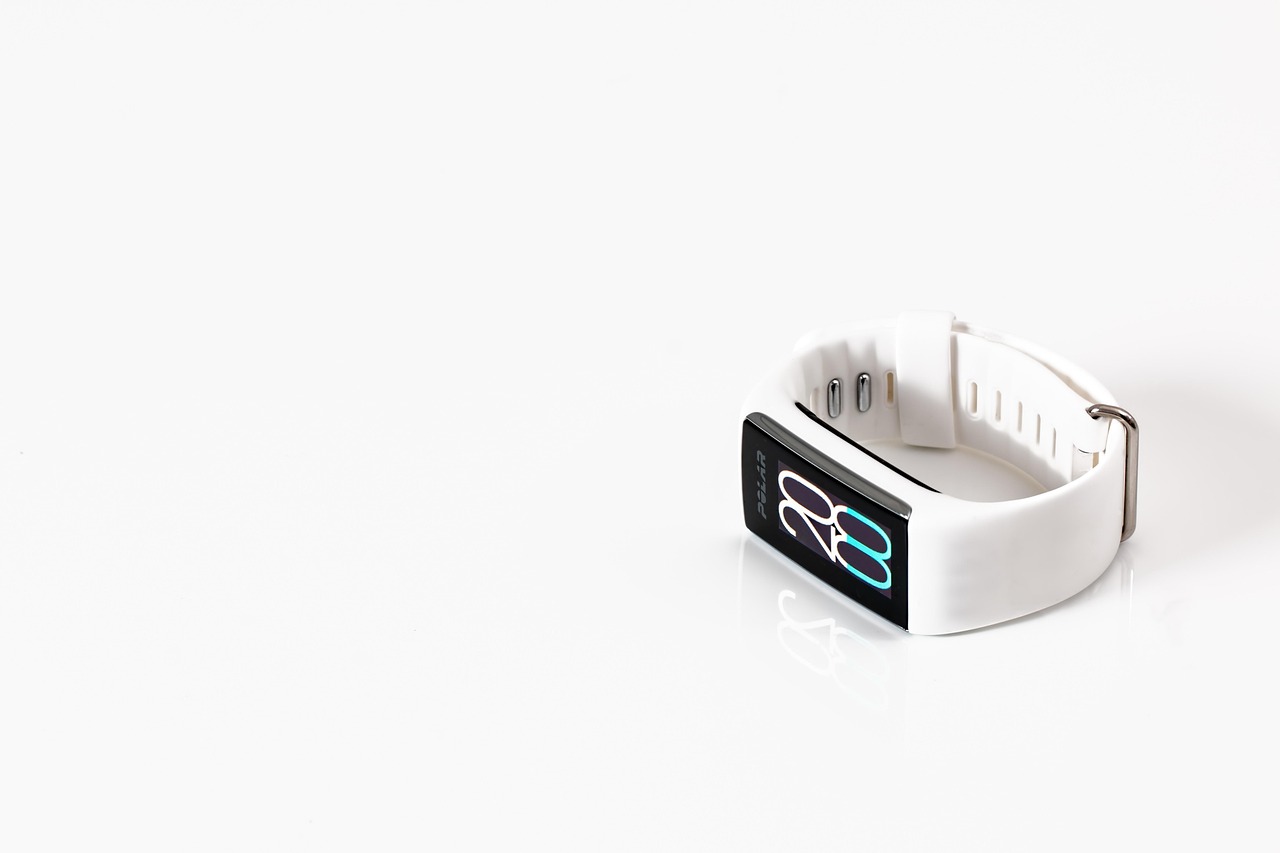
Wearable technology is continuously evolving, resulting in better compatibility with diverse applications. For instance, wearables now offer advanced health monitoring capabilities like heart rate tracking and sleep analysis. These features require dedicated apps to interpret complex data accurately. Users often aim to find the wearable that best matches their specific health objectives. As such, devices equipped with robust analytical capabilities paired with effective apps can facilitate enhanced wellness. Moreover, brands like Polar cater to fitness enthusiasts focused on performance metrics, whereas brands like Xiaomi focus on budget-conscious consumers wanting basic tracking features. Each of these offers unique app compatibility that complements their strengths in the wearable category. Selecting accessories that match your fitness philosophy remains a vital aspect of achieving desired results. Having a clear understanding of both the wearable device and app functionality can streamline the measurement of your progress. Consequently, you can set precise health goals, enabling you to adapt your fitness journey, eventually leading you towards achieving long-term health objectives effectively.
Exploring User Experience and Reviews
User experience plays a critical role in determining the effectiveness of wearable fitness trackers and their compatible apps. Often, real user reviews provide insightful information regarding limitations and capabilities of devices. While specifications might suggest a product’s performance, firsthand accounts reveal practical insights that can influence purchasing decisions. Specifically, evaluating feedback from regular users regarding app synchronization can uncover common connectivity issues brands may overlook. Furthermore, reading various opinions on popular fitness forums or consumer review sites can enrich your understanding of the wearable landscape. Reviews on platforms like Amazon or tech blogs offer a wealth of knowledge about user experiences. Additionally, considering both positive and negative opinions can help form a well-rounded perspective on the accessory’s reliability. When navigating this sea of information, it’s vital to focus on trends in feedback rather than isolated reviews. Patterns emerge regarding usability across devices, which can inform your choices accordingly. Ultimately, consistent user satisfaction often indicates a well-designed integration between the app and the fitness tracker itself.
Customizable features available in fitness tracker apps offer significant advantages. Personalization not only enhances user experience but also aligns fitness objectives via tailored workouts and metrics. When evaluating accessories, consider devices that support customizable training regimens. Such options empower users to adapt their routines based on unique health goals. For instance, brands like Garmin provide extensive customization through their Connect app, offering options to create personalized workouts easily. Users can select various fitness activities to track, ensuring a comprehensive data overview. On the other hand, the Apple Watch’s seamless integration allows users to take full advantage of app-centric workouts. Whether you aim for weight loss or strength training, personalized settings can drive motivation. These features foster engagement while also promoting a disciplined approach to fitness. Additionally, integrating reminders and goal settings can enhance the accessory’s effectiveness. Ultimately, selecting a wearable that champions user adaptability can transcend basic metrics, leading you towards more meaningful achievements in your health journey.
The Future of Fitness Wearables
The landscape of fitness wearables is rapidly changing, showing promising trends in app compatibility and performance. Brands are increasingly focusing on seamless integration of their devices with innovative health and fitness applications. Features like voice control, AI-driven coaching, and real-time data sharing between apps will set new standards for usability. As technology advances, wearables are likely to become even smarter, providing more personalized insights based on individual user data. Moreover, collaborations between health organizations and wearable manufacturers can drive further advancements in fitness solutions. These partnerships can lead to unique applications designed to offer specialized health metrics, such as glucose monitoring or comprehensive sleep studies. Furthermore, compatibility expansions to accommodate multiple platforms can allow wearers to choose the best fitness app suited for their lifestyle. Even when facing challenges like data privacy concerns, transparency around information usage can bolster user trust. The future shines bright with opportunities for innovative fitness wearables, ultimately making active living easier for everyone.
In conclusion, choosing the right fitness tracker accessory hinges on understanding app compatibility. Not only does this determine the effectiveness of tracking your activities, but it also influences the overall motivation to maintain an active lifestyle. Brands play a critical role in shaping these experiences, but eventual user satisfaction relies heavily on real-life application. By focusing on Bluetooth integration, personalization options, and user reviews, you can make informed choices suitable for your fitness goals. Regardless of whether you opt for established brands like Fitbit or emerging companies, understanding the synergy between devices and apps remains essential. Also, keeping an eye on evolving technology trends can favorably position you within the ever-changing fitness landscape. Ultimately, motivation and commitment to a health regime improve when the right tools and support systems are in place. Each user’s journey differs, but equipped with the right accessory, you can enhance your pathway to health. Therefore, knowledge exploration around fitness tracker app compatibility becomes a cornerstone of a successful and fulfilling fitness adventure.