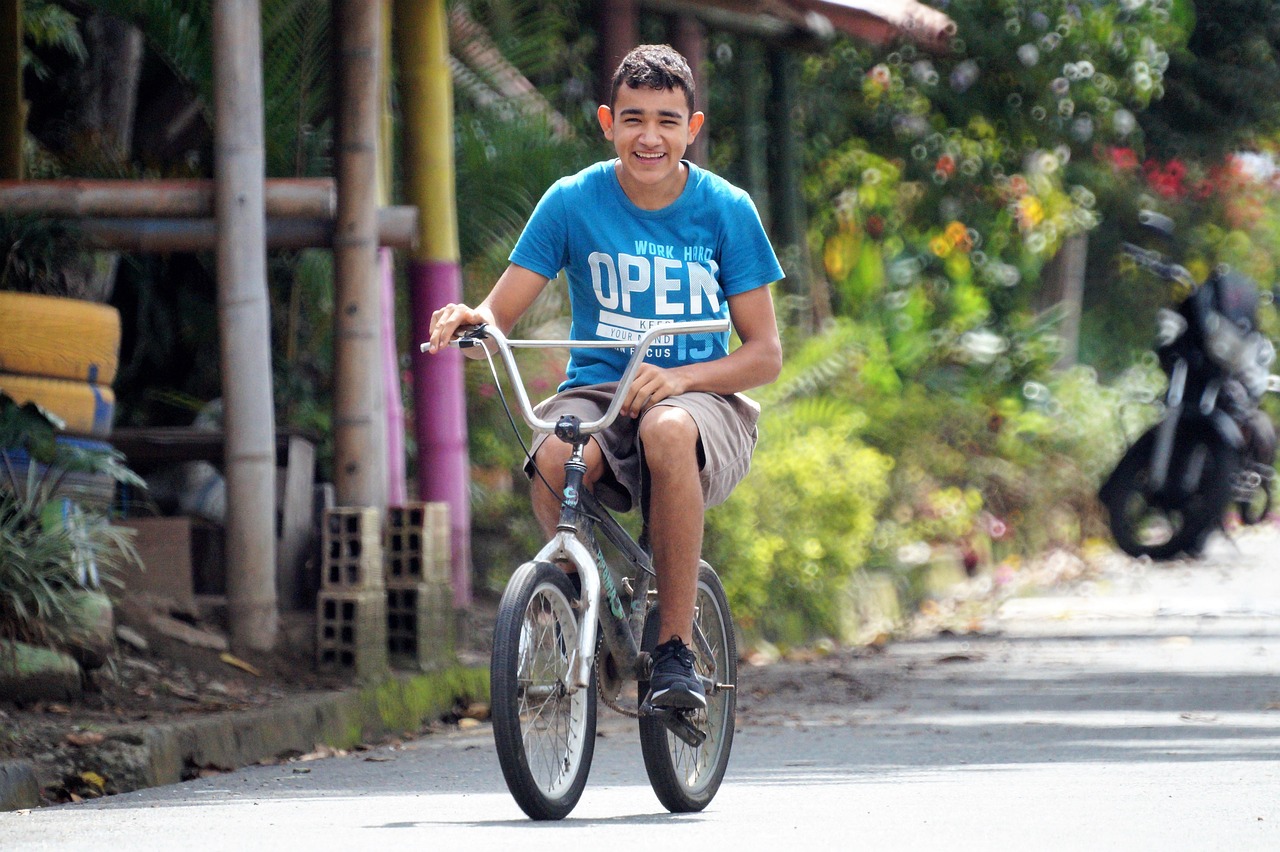

Addressing Common Barriers to Youth Participation in Cycling
Cycling is a fantastic way for young individuals to engage in fitness while developing essential life skills. Many youths face barriers that hinder their involvement in cycling, significantly limiting their opportunities for exercise. One of the primary obstacles is a lack of access to bicycles and equipment. Families may not afford the expenses related to purchasing or maintaining bicycles. Local communities and organizations can play crucial roles in addressing this. They can provide bicycle-sharing programs, ensure affordable access to used bikes, and increase awareness of existing resources among youth. In addition to the economic constraints, safety concerns often deter young individuals from cycling. The need for safe cycling paths and infrastructure cannot be overstated. Community leaders must advocate for the development of safe routes and educational programs that teach cycling safety skills. Moreover, social factors, like peer pressure or lack of cycling communities, may also influence participation rates among youth. Creating inclusive cycling clubs or groups can foster camaraderie and increase interest. Initiatives like organized group rides help eliminate isolation and offer motivation, making cycling a more attractive form of exercise.
Additionally, the role of parents and guardians is vital in encouraging youth participation in cycling. Educating parents about the benefits of cycling can help them become supportive of their children’s interests and activities. Parents should participate in rides with their youth to promote a healthy lifestyle and build confidence. Furthermore, schools can introduce cycling programs as part of physical education curricula. This integration not only teaches children about cycling but also emphasizes teamwork and cooperation. With proper guidance, children can also learn necessary cycling skills, promoting a sense of accomplishment and responsibility. Schools should consider collaborating with local cycling organizations to host events that enhance youth interest in cycling. Moreover, the promotion of cycling as a fun activity rather than a chore may help spark enthusiasm among young individuals. Engaging local celebrities or athletes who advocate for cycling can further inspire youth participation. Once young individuals observe enthusiastic role models, they may feel more inclined to embrace cycling. Challenges such as these should be met with community collaborative efforts to promote cycling. Providing youth with opportunities to gear up, engage with their peers, and enjoy cycling can inspire lifelong fitness habits.
Creating a Supportive Environment
To cultivate an environment supportive of youth cycling, creativity in programming is essential. Local initiatives, such as bike rodeos and safety workshops, can assist in developing valuable skills. Through hands-on experiences, youths learn cycling techniques and road safety, making them feel more empowered. Such events can help dismantle misconceptions about cycling risks and showcase how families and communities can participate. Additionally, schools and community centers should work together to organize regular bike events, promoting group activities that attract youth. Hosting competitions and fun rides encourages a healthy sense of competition among youths, enriching their experience. When youth see their peers participating, they may feel motivated to join. Enhanced visibility of cycling in different community aspects can boost its popularity among young people. Social media can also catalyze promoting cycling, allowing youths to share their experiences, achievements, and progress with their friends. Online platforms can also help young cyclists connect with peers who share their interests. Similarly, schools need to provide incentives that promote a sense of belonging and accomplishment. Rewarding participation through badges or recognitions can encourage youths to take cycling seriously.
Bridging Gaps Between Interests
It’s crucial to recognize that not every youth may be instantly interested in cycling. Some may prefer other fitness activities over cycling. Thus, building bridges between different interests while promoting cycling is essential. For instance, while hosting multi-sport events, including cycling as one of the activities can engage various interests simultaneously. These can appeal to youth who are already committed to sports like running or swimming, and integrate cycling as an exciting challenge or alternative exercise. Collaboration between schools, clubs, and local businesses can make this possible, creating a festive atmosphere for active participation. Interdisciplinary initiatives can also help develop programs that attract various kids based on their unique preferences. By incorporating alternative themes, like technology or adventure, young athletes can find excitement in cycling. Learning programs featuring youth from diverse cultural backgrounds can also unify varying interest groups, fostering inclusivity. Social interactions from these events can yield lifelong friendships, inspiring both cycling and fitness as enjoyable experiences. To create impactful outcomes, continuously evaluating community engagement ensures programs resonate well with youth preferences and that all voices are heard.
Promoting youth cycling goes beyond participation; it emphasizes the importance of education and outreach efforts. Informative campaigns can raise awareness about cycling benefits and safe practices for youths and their families. By partnering with schools and community organizations, campaigns can effectively reach target audiences. Providing fact sheets, workshops, and interactive sessions can help inform youths and their guardians about safety rules, route planning, and maintenance techniques. Furthermore, leveraging schools as information hubs can contextualize cycling positively, integrating it into the lifestyle of the young participants. These educational strategies can enhance understanding and promote a culture of cycling safety and fitness. Ensuring access to reliable resources strengthens the role of families and the community in supporting youth cyclists. Success can also arise from gathering feedback about different initiatives to shape future decisions and resource allocation. When efforts are combined, communities can create a lasting impact, resulting in sustained youth participation in cycling activities. Finally, sharing success stories from local cyclists can reinforce the message and inspire others to take action. Continuous outreach will empower youth, cultivating an innovative cycling culture.
Evaluating Progress and Making Adjustments
Monitoring the progress of youth cycling initiatives is crucial for long-term success. It is essential to evaluate the effectiveness of various programs after implementation to gauge what works and what does not. Developing metrics to assess engagement levels, participant feedback, and improvement in cycling skills would yield valuable insights. Community stakeholders should be attentive and flexible, allowing for program modifications to assist youth more effectively. By engaging youth in these evaluations, their perspectives can foster a sense of ownership over their journey in cycling. Hosting regular discussions encourages insights regarding their experiences and highlights areas requiring attention. Data collection can guide opportunities for community investment in cycling, helping discover trends that facilitate success. Emphasizing open communication with participants can build transparency and enhance trust in programs designed for them. Challenging the current status quo while striving for improvements assures young individuals feel valued, promoting continued participation. Ultimately, a culture that prioritizes feedback ensures that cycling initiatives are responsive to the changing needs of youths, enhancing their fitness and well-being with sustaining outcomes.
To conclude, addressing barriers to youth participation in cycling requires a multifaceted approach. Community-driven efforts must target economic, social, and educational obstacles, creating an environment that empowers young individuals. By fostering inclusive cycling opportunities, families and local organizations significantly influence youth fitness. As communities invest in cycling infrastructure, safety, and education, they lay the foundation for higher youth engagement while promoting long-term health benefits. Young individuals thrive in an environment that nurtures their interests and supports their lifestyles. Additionally, by showcasing the fun aspect of cycling through innovative programming and exciting initiatives, communities can spark renewed interest among the youth. Efforts should prioritize adaptability, allowing stakeholders to pivot based on evolving participant needs. Encouraging role models can further amplify the cycling message. However, sustaining such commitments depends on collective community action. Strong partnerships and ongoing evaluations help ensure cycling remains integral to youth fitness journeys. Communities have the power to create vibrant cycling cultures that inspire youths to embrace fitness. Ultimately, through combined efforts, young individuals can reap the numerous benefits cycling offers, both physically and socially.
Encouraging grassroots involvement can also spearhead cycling initiatives. With input from youth themselves, solutions can emerge that attract their peer groups effectively. Establishing collaborations with local schools, parents, and cycling clubs fosters a community supportive of youth engagement. Creative approaches to include incentives, prize competitions, or recognition rewards for participation can significantly increase interest levels. It’s vital to cultivate relationships with local businesses that may support sponsorship prospects. Their involvement enhances community resources available for potential participants. The role of social media in promoting events can’t be overlooked, as young individuals increasingly connect via these platforms. Projecting authentic experiences, testimonials, and inspiring achievements vis-à-vis digital storytelling attracts attention and motivates participation. Lastly, cycling equipment accessibility remains a priority, with community programs potentially supporting equipment loans. Creating local partnerships enhances both access and visibility for cycling among youth. Inspiring youth through well-structured programs sustains motivation and encourages inclusive cycling. Through collective community actions to address barriers, we can ensure cycling emerges as a compelling option for fitness among young individuals, enabling them to explore and embrace healthy lifestyles.