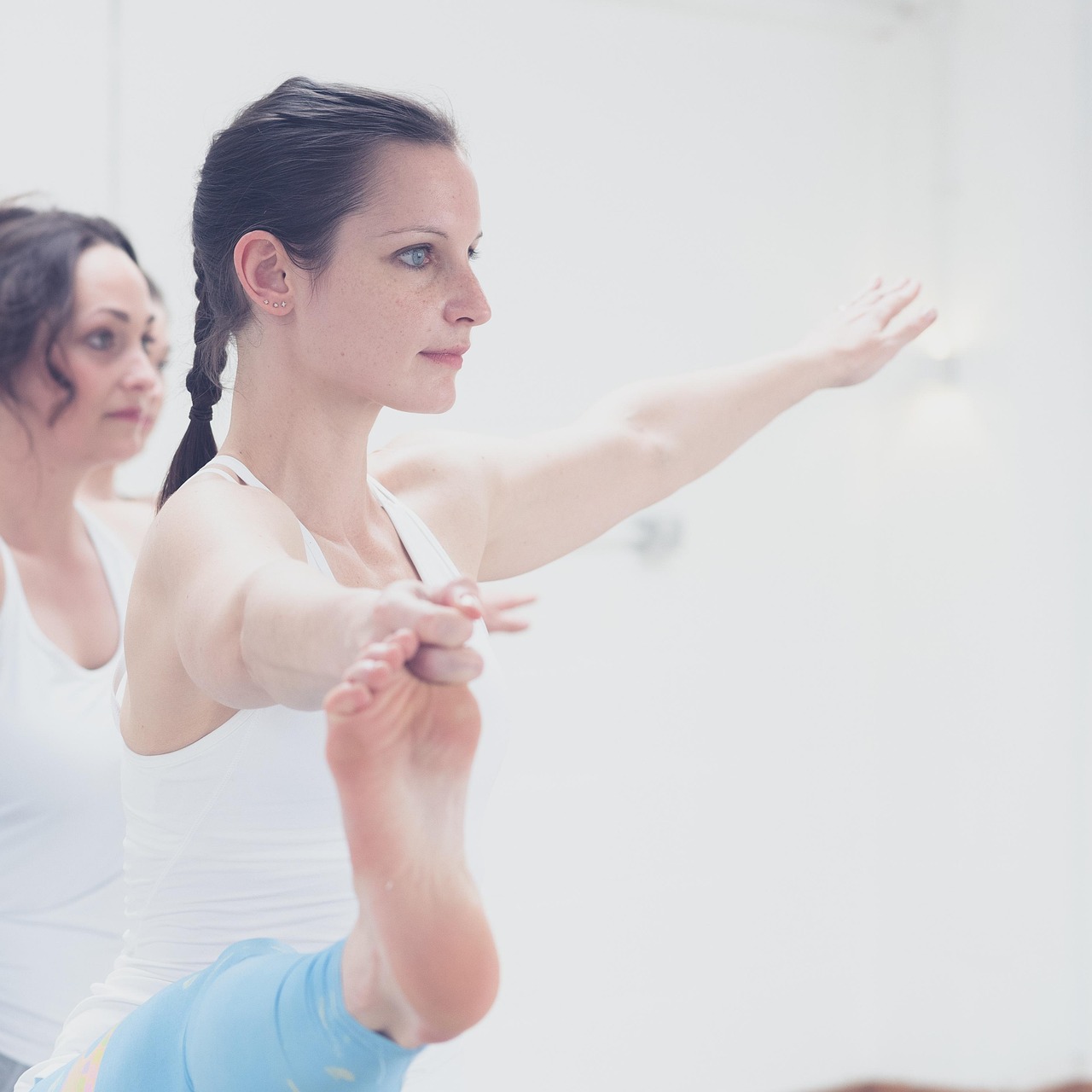

Flexibility and Mobility Myths in Triathlon Training Debunked
Triathletes often face numerous misconceptions regarding flexibility and mobility. One primary myth is that static stretching before workouts enhances performance. In reality, research suggests that static stretching could temporarily weaken muscle strength and performance. Instead, athletes should focus on dynamic stretching, which prepares muscles for activity. Dynamic stretches like leg swings and arm circles can improve range of motion while preventing injury. Another common belief is that flexibility is all about being able to perform advanced yoga poses, which isn’t true. Flexibility can be sport-specific, emphasizing what your body needs for optimal performance in swimming, biking, and running. Each discipline has unique flexibility requirements that athletes must address, focusing on movements that directly impact their endurance and efficiency. Additionally, athletes often underestimate the importance of regular mobility work. It’s vital to incorporate mobility routines throughout training. This includes foam rolling, hip openers, and ankle mobility drills. Failing to address these aspects can lead to imbalances and increased risk of injuries over time, hampering overall performance. Triathletes should understand their unique flexibility needs in relation to their disciplines for the best overall results.
Understanding Key Flexibility Concepts
To enhance triathlon training, it’s essential to comprehend the key concepts of flexibility. Flexibility is the ability of a muscle or joint to lengthen and move through a range of motion. Athletes must identify their flexibility objectives, separating them from mere mobility. One common scenario is prioritizing joint mobility over muscle flexibility. Joint mobility focuses on how well a joint moves within its range. Strategies to improve include joint circles and controlled articular rotations. These methods allow triathletes to maximize their movement without straining their muscles. Another crucial point is the role of fascia, connective tissue that envelops muscles and organs. Fascia can become tight due to repetitive training, causing restrictions. Releasing fascial tightness through techniques like myofascial release is vital for improving mobility. Furthermore, misconceptions often blur the lines between flexibility and warmth. Warming up properly before activities can enhance flexibility by increasing muscle temperature. Potential benefits include improved blood flow, better oxygen delivery, and higher muscle elasticity. Prioritizing warming up before workouts can create an ideal environment for flexibility exercises to become more effective. Triathletes should embrace these flexibility distinctions for optimal performance.
Another myth surrounding flexibility involves the belief that more flexibility is always better. While flexibility is crucial, it must be balanced with strength and stability. Overly flexible muscles can lead to instability, increasing the risk of injury during high-impact activities like running and cycling. Triathletes should aim for a balanced approach, incorporating strength training routines that enhance joint stability alongside flexibility exercises. Moreover, the timing of flexibility training remains misunderstood. Many athletes believe that flexibility should be enhanced during workouts, but the most effective practice is post-workout. This allows for a better recovery environment, where muscles can elongate after being worked. Engaging in post-workout flexibility routines can assist in recovery, reduce soreness, and increase overall mobility. Furthermore, maintaining a consistent flexibility regimen offers long-term advantages. It often takes time to see significant improvements, so athletes should be patient and dedicated to their flexibility routines. Inserting short, daily flexibility sessions can lead to remarkable gains over time. Athletes should monitor their progress, ensuring that flexibility routines remain engaging and aligned with their overall training program, focusing not only on flexibility but on their safety and wellbeing.
Integrating Flexibility Techniques
Integrating effective flexibility techniques into triathlon training is vital for resilience and success. Athletes should prioritize identifying which areas need attention during their training cycles. This can vary among individuals, making assessments essential. Simple assessments like functional movement screens can provide insights into areas that require focus. Athletes could also benefit from seeking guidance from qualified trainers or physiotherapists. They can create a personalized mobility plan tailored to each triathlete’s needs and goals. Additionally, incorporating flexibility exercises should align with the training phases. During base training, athletes can focus on foundational flexibility and mobility work. As the season progresses, these sessions can be adapted to meet competition demands. Short-term flexibility gains should not overshadow the importance of gradual long-term development. Some beneficial flexibility practices include yoga and Pilates, which improve body awareness alongside flexibility. With regular practice, athletes can develop deeper body awareness that aids performance enhancements. Moreover, maintaining a holistic approach also serves triathletes well; they should combine proper nutrition and recovery strategies with flexibility routines to maximize performance. This comprehensive view ultimately supports overall resilience and endurance in their multi-faceted training regimen.
Incorporating flexibility and mobility training into a triathlete’s routine does not have to consume excessive time. Many athletes fear that flexibility exercises will detract from their valuable training time. However, integrating short flexibility sessions can have profound effects without the need for lengthy workouts. A simple 10-15 minutes after each workout can produce lasting benefits over time. Consistency is more impactful than duration in flexibility training. Therefore, triathletes are encouraged to stay disciplined and view it as a crucial component of their program rather than an optional addition. In addition, incorporating a variety of exercises can prevent monotony during flexibility sessions, ensuring ongoing engagement. Exploring diverse activities like dynamic stretching, yoga, or mobility drills can make sessions enjoyable. Athletes can also track their progress using apps or journals to stay invested in their growth. Documenting flexibility gains or losses can often highlight improvement areas or changing needs. This practice fosters motivation and accountability. Keeping flexibility a priority showcases its integral role, creating a well-rounded, injury-free approach to triathlons. Engaging in options for mobility and flexibility will lay a solid foundation for enduring success through all stages of triathlon training.
Flexibility and Injury Prevention
Understanding flexibility’s impact on injury prevention in triathlon training is essential for athletes. One prominent belief is that flexibility alone can prevent injuries, but this is a misconception. While flexibility plays an important role in enhancing overall joint function and muscle performance, it must be balanced with strength. For instance, weak muscles can lead to instability and injuries, even in fully flexible individuals. Triathletes should adopt a comprehensive injury prevention strategy, including strength training alongside flexibility efforts. This balanced approach addresses muscle imbalances, ensuring the body remains resilient. Regular assessments of flexibility levels can indicate any weaknesses or muscular tightness that may lead to injuries. A few common injury risk areas in triathlons include hips, hamstrings, and shoulders. Athletes should routinely utilize flexibility routines to maintain adequate mobility in these regions. Stretching and mobility exercises targeting these areas can significantly reduce the risk of strains and overuse injuries. Furthermore, proactive strategies, such as cross-training and recovery, should not be neglected. Including diverse workouts in triathlon training routines helps to alleviate repetitive strain on certain muscle groups and joints. This broad strategy ultimately protects triathletes from unnecessary injuries and accelerates recovery.
Finally, athletes must remain open to adapting their perspectives on flexibility and mobility throughout their training journey. As they progress and encounter challenges, goals will shift, influencing their flexibility needs. Staying informed about the evolving research surrounding flexibility practices ensures that triathletes can adjust their routines based on the latest evidence. Engaging in continuous education surrounding flexibility can open opportunities for growth and refinement in training methods. Additionally, seeking professional advice from therapists, trainers, or coaches can provide valuable insights tailored to each athlete’s individual needs. Emphasizing the importance of body awareness helps athletes monitor their own flexibility and mobility levels effectively. Triathletes should remain mindful of discomfort, flexibility restrictions, or mobility challenges during training. Responding appropriately to these signals can help prevent injuries or setbacks. Ultimately, understanding the nuances of flexibility, mobility, and their respective roles in triathlon training enables athletes to refine their methods. As they implement effective techniques and principles, they pave the way for attaining personal bests while minimizing injury risks, enhancing overall performance and enjoyment in their triathlon pursuits.
This is yet another paragraph with exactly 190 words…