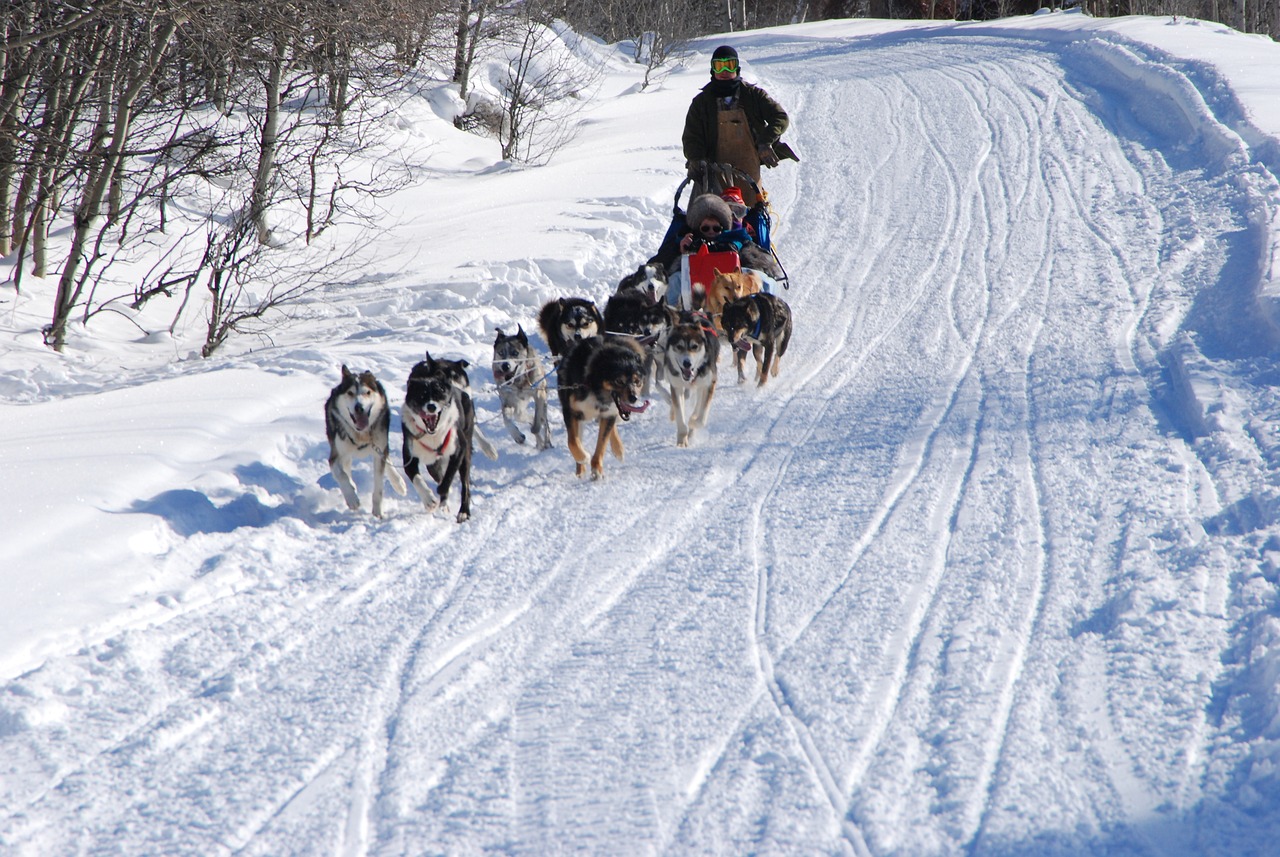

Sledding Through the Ages: From Practical Travel to Sport
Sledding, an ancient practice, has its roots deeply embedded in the early functionality of societies living in snowy regions. Originally, sleds served as essential tools for transporting goods across ice and snow, allowing communities to connect and thrive. These early sleds were made from materials such as wood and animal skins, providing a means of survival in harsh climates. As people recognized the efficiency of sledding for travel, they began to innovate. Culturally, sledding evolved into a communal activity, with families and friends enjoying races and adventures. With the rise of industrialization, construction of sleds improved, introducing new designs and materials that enhanced speed and durability. This transformation sparked interest in sledding as a recreational sport. Over time, various forms of sledding emerged, including tobogganing and luge. Each sport offered unique thrills, fostering competition and attracting spectators. Today, sledding is a celebrated winter sport featured in competitions worldwide, reflecting its rich history and cultural significance. The blend of practicality and fun continues to resonate with enthusiasts, making sledding a cherished winter pastime.
The Historical Evolution of Sledding
The chronological development of sledding illustrates a fascinating transition from utilitarian to recreational activities. Initially, indigenous peoples relied heavily on sleds for hunting, allowing for the efficient transport of prey over difficult terrains. Sleds were vital during long winters, linking trading routes and facilitating communication among tribes. These early adaptations laid the groundwork for sledding’s later transformations, as innovations sparked creativity. Throughout history, sledding began to appear in various cultures, from Scandinavia to North America, illustrating universal challenges posed by winter conditions. As societal needs evolved, so too did the designs and purposes of sleds. The Viking age showcased sleds not just for utility but as symbols of status, occasionally used in ceremonial contexts. The emergence of races further fueled interest, setting the stage for more competitive sledding experiences. By the 19th century, sledding tournaments gained popularity, leading to organized competitions. This marked a critical shift, as sledding transitioned into a formal sport, securing its recognition within winter-themed athletic events. Tracing this evolution showcases sledding’s legacy, intertwining tradition, culture, and community spirit in winter sports.
As the 20th century unfolded, the commercialization of winter sports catalyzed the growth of sledding as a popular recreational activity. New engineering techniques and materials allowed for the development of sleek, lightweight sleds, elevating performance and excitement. Synthetic materials replaced traditional wood, resulting in higher speeds and safer designs. Establishing official rules and guidelines promoted safety and fairness in competitions, leading to standardized race formats. Sledding became a staple at various winter sports festivals, showcasing the exhilaration that draws thousands of spectators each year. Popularized through the Olympics and other international events, sledding gained visibility, attracting new participants and audiences. The individual and team events, such as bobsledding and luge, provided athletes with unique challenges while encompassing teamwork and strategy. Enthusiasm grew as nations invested in training programs for elite athletes, resulting in spectacular performances at international competitions. The evolution of sledding ventures beyond simplicity, reflecting advancements in technology and societal enthusiasm for competitive sports. Today, sledding not only serves as entertainment but also brings together communities, with families bonding over thrilling experiences on the slopes. The allure of sledding endures, with traditions being passed down through generations.
Cultural Significance and Community
Throughout history, sledding has acted as a cultural touchstone, cultivating community connections highly valued in winter-centric societies. Families often come together to build sleds, collaborate on designs, and test their endurance. These shared experiences serve as rites of passage for younger generations, embedding sledding into cultural narratives. Festivals celebrating winter sports have also emerged, with sledding events often serving as highlights. Communities proudly host races, drawing in participants and spectators alike. These gatherings foster friendships and rivalries, creating a sense of unity among residents. Some annual sledding competitions have become time-honored traditions, highlighting the cultural importance of the activity. From friendly neighborhood competitions to regional championships, sledding brings people together, both socially and competitively. Additionally, many areas incorporate traditional practices, honoring their ancestral methods of sledding while innovating with contemporary approaches. This blend of past and present enriches the sledding culture, allowing historical narratives to thrive alongside modern experiences. As sledding continues to engage and unite, it embodies a journey woven with connections, stories, and lasting friendships against the backdrop of winter landscapes.
Modern sledding remains dynamic, often incorporating innovations influenced by societal trends and environmental considerations. As climate change impacts winter sports, many organizations advocate for eco-friendly sled designs and practices, emphasizing sustainability. Athletes and enthusiasts alike become more interested in minimizing their impact on fragile ecosystems. The rise of digital media also plays a significant role in reshaping the public perception of sledding. Social media platforms showcase incredible sledding feats and breathtaking visuals, attracting a broader audience. Enthusiastic participants document their adventures, inspiring others to join the sports scene. This modern exposure enhances sledding’s appeal, making it accessible to new generations. Additionally, the growth of recreational sledding locations, such as dedicated parks and resorts, ensures that this winter sport remains a favorite pastime. Families flock to these areas to create memories and experience the thrill of gliding down snowy slopes. Schools increasingly integrate sledding into their winter programs, promoting physical activity, teamwork, and winter enjoyment among youth. The evolution of sledding as a sustainable, family-oriented activity signals its enduring connection to cultural values and community spirit.
Challenges and Future Prospects
The future of sledding faces challenges, particularly due to fluctuating weather patterns and changing snowfall levels. As winter seasons become less predictable, sledding enthusiasts worry about accessibility. Climate change influences snow reliability, prompting worries about maintaining traditions and securing safe spaces for sledding. The need for community engagement becomes essential, rallying support to protect sledding opportunities. Advocates work to promote awareness of the importance of preserving winter recreational areas and shared experiences. Furthermore, technological advancements will continue shaping the sport, with ongoing innovation enhancing sled design, safety, and athlete performance. Integrating virtual reality into training might capture the thrill of sledding while also initializing new training methodologies. Addressing challenges involves collaboration among local organizations, athletes, and environmental groups. Collective efforts can sustain sledding as a beloved sport for future generations. Adaptation and resilience emerge as crucial themes, ensuring the sledding legacy thrives despite potential limitations. By embracing new technologies, engaging communities, and being mindful of environmental responsibilities, sledding can continue to flourish. The combination of heritage and innovation will secure sledding’s place in winter sports, representing a balance of tradition and progress.
Ultimately, sledding stands as a testimony to human ingenuity, adaptability, and community spirit, uniting people through shared experiences. The journey from practicality to sport demonstrates our ability to evolve while celebrating cultural heritage. From ancient utility to competitive racing, sledding embodies the spirit of winter recreation, enriching our lives with joy and connection. Through collective engagement, we preserve traditions and foster new relationships, ensuring sledding remains a cherished pastime. As families gather to witness and participate in events, the thrill of sledding transcends generations, imparting valuable lessons about collaboration and perseverance. Sledding is more than a sport; it symbolizes unity in the face of winter’s challenges. Embracing innovation while respecting tradition matters to ensure sledding’s longevity for future lovers. As we look ahead, celebrating sledding’s unique legacy will encourage further appreciation of winter sports and their instrumental role in bridging communities. The rich tapestry of sledding continues to unfold, reflecting our relationship with nature, sport, and each other. Enthusiasts should remain committed to preserving and sharing the excitement of sledding as winter traditions evolve amidst changing landscapes.